The long-running Maoist insurgency in India — centered in the Red Corridor and long rooted in Adivasi grievances — is showing concrete signs of collapse as dozens of fighters surrender and senior commanders are killed. Authorities credit sustained security operations, intelligence from surrenders and local militia for the decline, while critics warn that allegations of rights abuses and unresolved grievances over land and mining risk renewed unrest. The conflict peaked in the 2000s and government figures attribute nearly 9,000 deaths to left-wing extremism from 2004–2025; officials now assert the campaign is largely won, but observers call for continued vigilance and development that addresses root causes.
India’s Maoist Insurgency Nears Collapse As Dozens Surrender and Leaders Are Killed
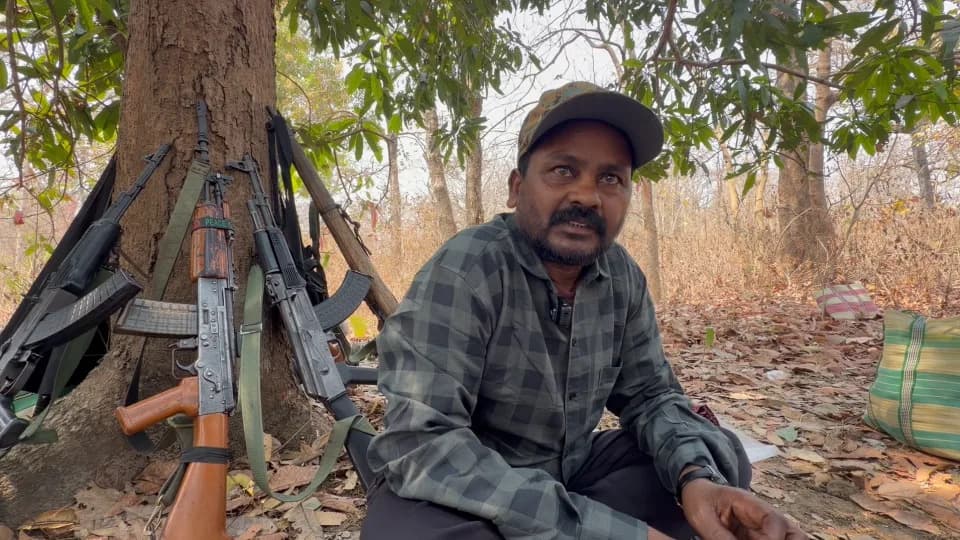
Papa Rao during an interview with CNN - Courtesy Vikas Tiwari
Outgunned, outnumbered and running out of time, Papa Rao emerged from the central Indian jungle wearing a faded checkered shirt, dusty trousers and scuffed sports shoes. A rifle slung over his shoulder and a $26,000 bounty on his head, he walked in single file with 17 comrades — some in sandals, some carrying Puma backpacks — bearing decades-old L1A1 and Lee-Enfield rifles. They were among the last of India’s Maoist insurgents and they had come to surrender.
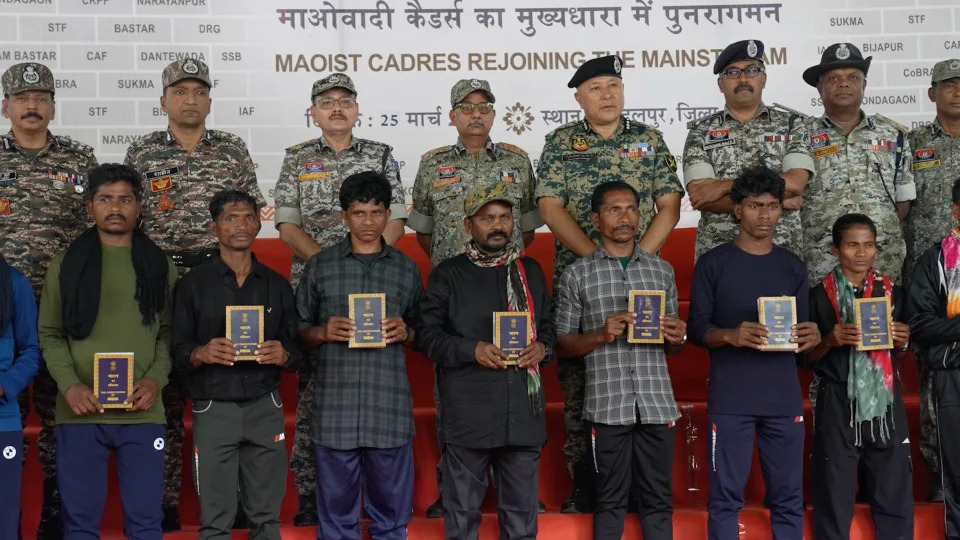
Former Maoists surrender to the Indian authorities in the state of Chhattisgarh in March, 2026. - Thameer Khashyap/CNN
Staged Surrenders and Symbolic Reintegration
Their emergence was public and carefully staged. Cameras captured the former fighters standing before a backdrop that read "Return to the Mainstream" in English and Hindi. Their outdated weapons were laid out like museum exhibits; ammunition clips were arranged to spell a Hindi word for "sacred vow." Each ex-combatant received a rose and a copy of the Indian constitution as a symbolic pledge of allegiance. Politicians spoke, photos were taken with security personnel, and the fighters were guided into government rehabilitation programs.
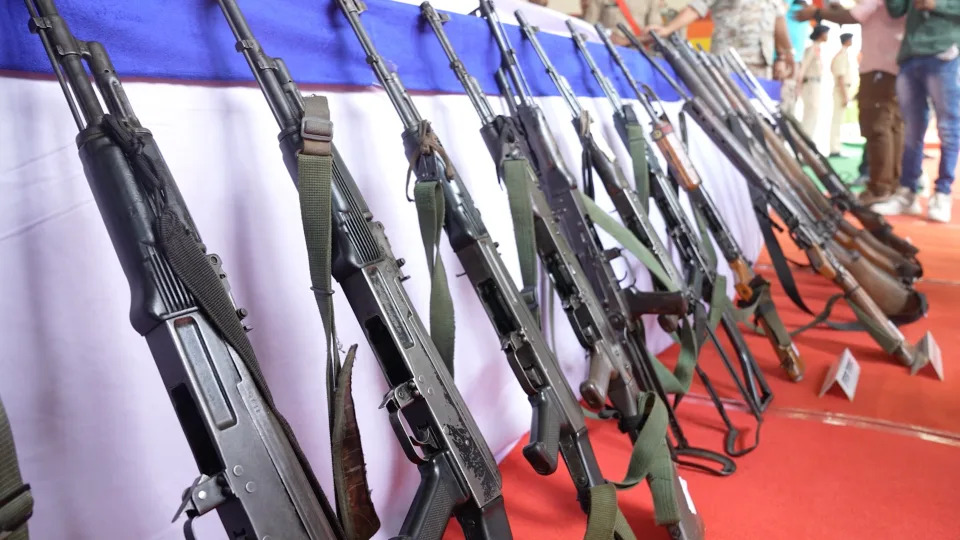
Guns seized by Indian authorities from the Maoists on display at a surrender ceremony in the state of Chhattisgarh in March, 2026. - Thameer Khashyap/CNN
From Mao’s China to India’s Red Corridor
The movement’s roots trace back to Mao Zedong’s adaptation of Marxist–Leninist doctrine for largely agrarian societies. After the Chinese revolution of 1949, Maoist ideas spread across Asia and inspired insurgencies. In India the movement is commonly called the Naxals, named after a 1967 peasant uprising in Naxalbari. Over decades — despite factional splits and infighting — Naxalite groups consolidated influence across a wide swathe of central and eastern India known as the "Red Corridor," where many Adivasi (tribal) communities have long complained of marginalization.
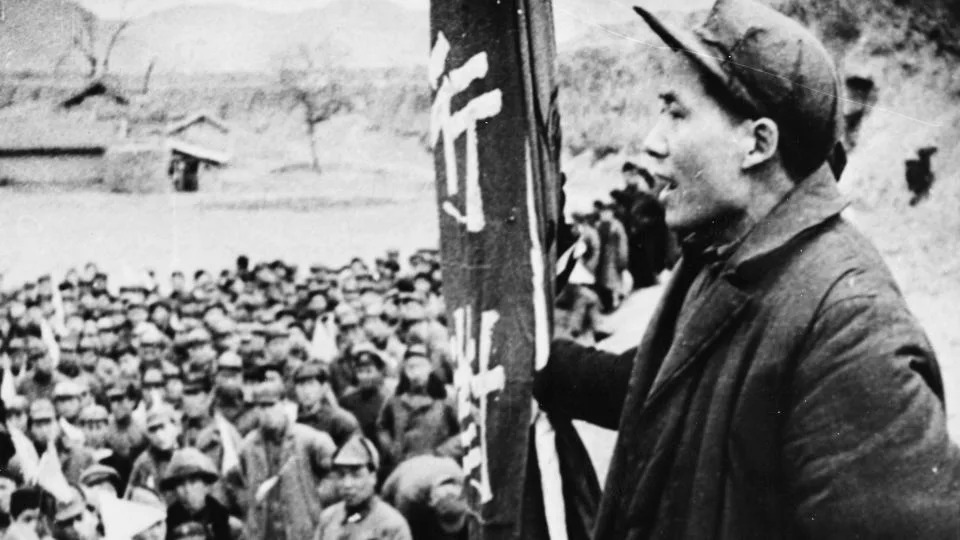
Mao Zedong addressing a meeting on November 12, 1944. - Fox Photos/Hulton Archive/Getty Images
Why People Joined
Many recruits say poverty and local abuse drove them to the insurgency. Former fighter Sukhmati Dhruv, 45, said she joined in her teens after witnessing forest officials extort villagers and use violence. "They used to collect tax on building houses, they used to collect tax on chopping wood," she told reporters. Papa Rao gave a similar account, citing harassment by the Forest Department and rural administrators as a factor in his decision to join.
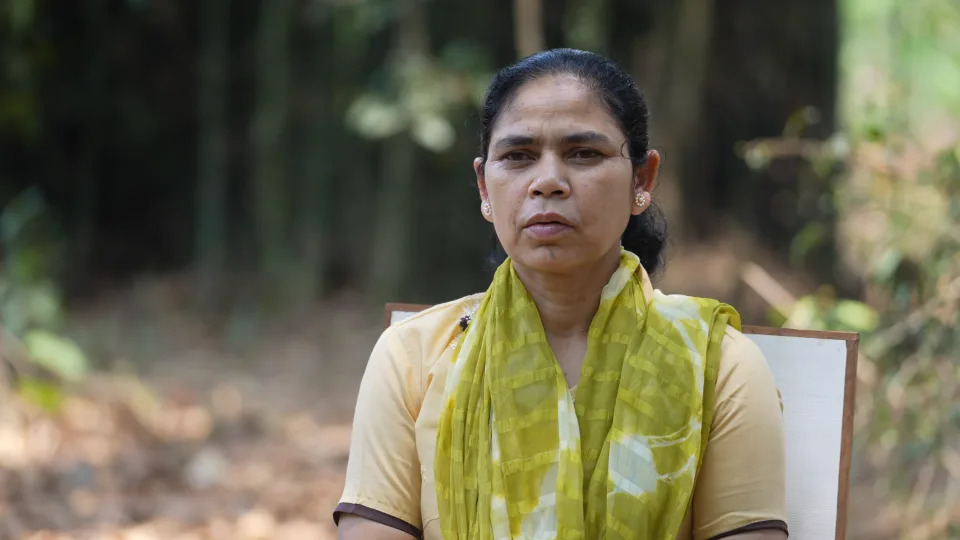
Former Maoist Sukhmati Dhruv in an interview with CNN. - Thameer Khashyap/CNN
Tactics, Peak Violence and the Turning Point
Maoist tactics emphasized surprise, mobility and deception, with raids on police stations to seize weapons and hit-and-run ambushes in difficult terrain. The insurgency peaked in the early 2000s as India’s economy surged: by 2007 the Home Ministry estimated Naxal influence across roughly 92,000 square kilometers — about the size of Indiana. In 2009, then-Prime Minister Manmohan Singh called the Naxals the "single biggest internal security challenge to the Indian state." High-casualty incidents included a 2010 ambush in Chhattisgarh that killed 76 security personnel.
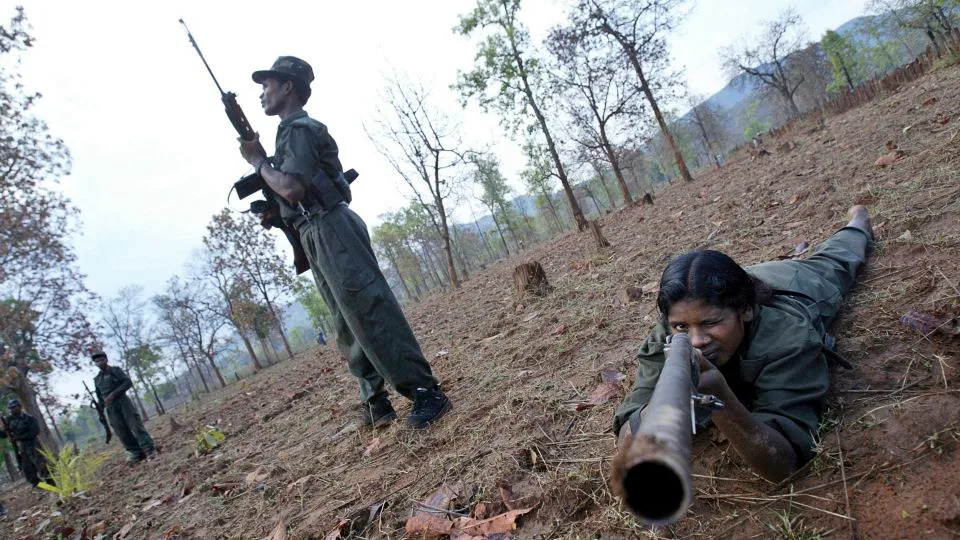
Maoist rebels exercise in the Abujh Marh forests, in the central Indian state of Chhattisgarh, India, on April 13, 2007. - Mustafa Quraishi/AP
Costs, Allegations and Rights Concerns
Government figures attribute nearly 9,000 deaths to left-wing extremism between 2004 and 2025. Both sides have faced accusations of serious abuses: Naxals have been blamed for attacks that killed civilians and security personnel, while human rights organizations say security forces and pro-government militias have carried out abductions, torture and extrajudicial killings, often described officially as "encounters." Officials deny systemic abuses and say operations follow legal protocols.
Operations in Bastar and the Role of the DRG
Some of the fiercest fighting has occurred in Bastar district, where one security official said more than 1,500 security personnel were killed over three decades. The District Reserve Guard (DRG), formed in 2008 to combat the insurgency, conducts multi-day patrols and includes former Maoists and local Adivasi recruits valued for their knowledge of terrain and tactics. Authorities credit a mix of intelligence from surrendered fighters, sustained security operations and development initiatives with degrading the insurgents’ capacity.
Economic Stakes and the Politics of Eradication
Much of the remaining Maoist-influenced territory sits above deposits of coal, iron and bauxite — resources crucial to India’s electrification and development goals. Officials argue that securing these areas also opens them to "development" and economic opportunities. In March, India’s home minister declared the struggle against Naxalism won — a claim that drew thunderous applause in parliament but also skepticism from academics and activists.
"This artificial deadline (the government has given itself to eradicate Naxalism...) it’s never going to be full," said academic Nandini Sundar, warning that the label "Maoist" could be used to dismiss legitimate local protests against mining and displacement.
Where Things Stand
Authorities report falling insurgent numbers in districts such as Bastar and say senior commanders have been killed in recent months. Many fighters have surrendered and entered government rehabilitation programs. Yet analysts caution that while organized Maoist guerrilla structures have been weakened, underlying grievances over land, livelihoods and resource extraction remain unresolved — meaning isolated violence or renewed mobilization could resurface if those issues are not addressed.
Before his surrender, Papa Rao sat beneath a tree and reflected: "Our aim was to liberate the country... The government has a lot of weapons and they threaten a lot of people. The Maoist party… was a small party and had fewer weapons." His words, and the broader wave of surrenders, capture both the human costs of the decades-long conflict and the complex mix of security, development and rights questions that will shape the region’s future.
Reporting: This report synthesizes interviews and field reporting by CNN correspondents and local officials.
Help us improve.