The Global Report on Forced Migration 2026 finds most of the world’s 117 million refugees are considering moving to another country, but many lack the means to do so. Surveys in Jordan, Colombia, Mexico and Turkey show a mix of concrete plans and uncertain intentions—81% in Jordan reported only vague ideas. Experts criticize the EU’s CEAS reform as a rollback of rights and warn of legal breaches at Europe’s borders. The report also finds no clear evidence that tougher German measures have reduced asylum-seeking.
Most Of The World’s 117 Million Refugees Are Considering Moving On — But Many Lack The Means
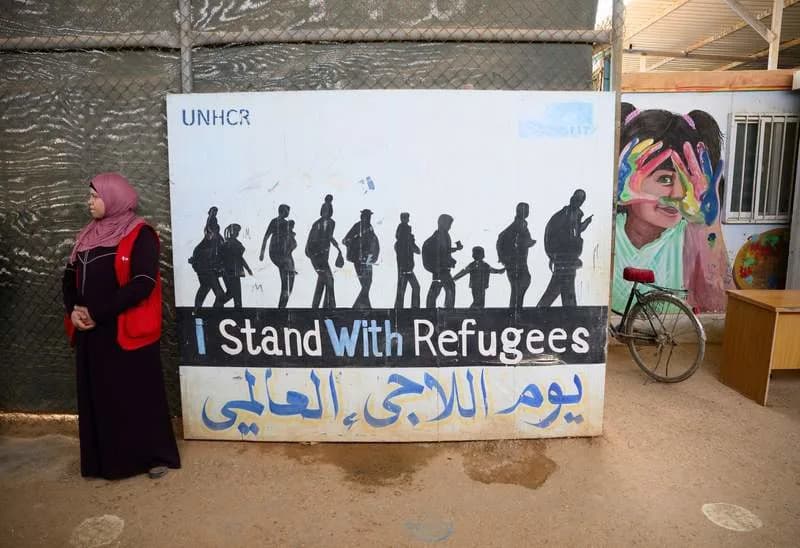
A woman stands in front of a poster reading "I stand with Refugees" in the Jordanian Saatari refugee camp. (is associated with: «Report: most refugees globally plan to move on to another country») Bernd von Jutrczenka/dpa
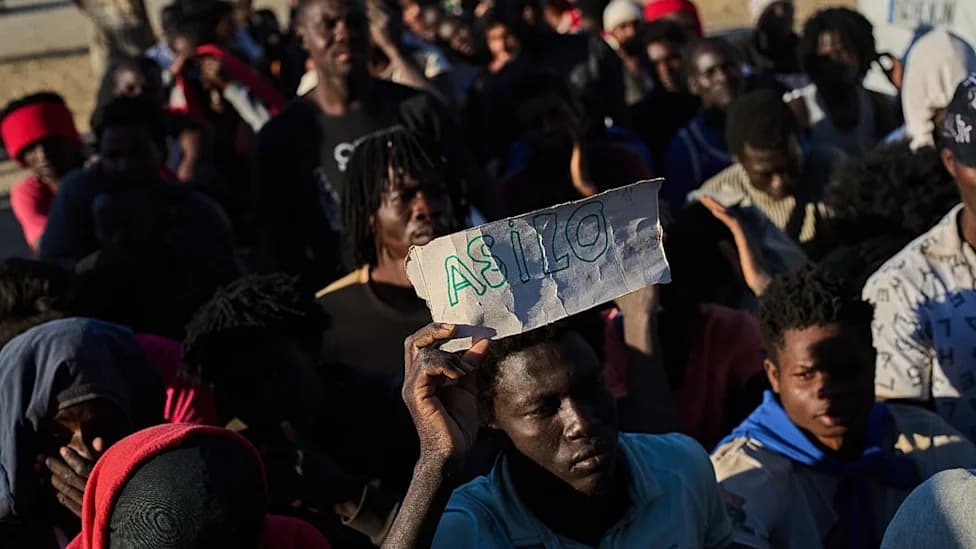
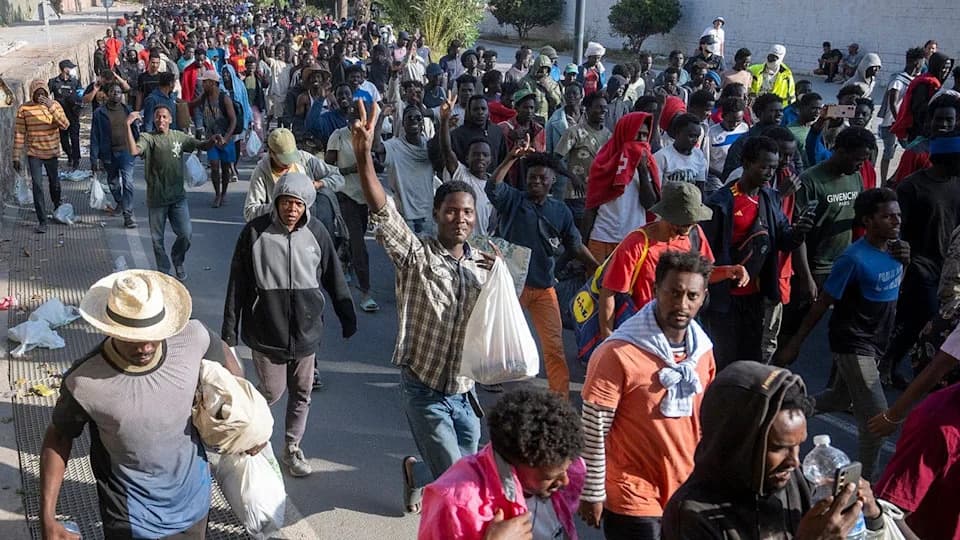
A new international study, the Global Report on Forced Migration 2026, finds that the majority of the world’s more than 117 million refugees are thinking about moving to another country, though many cannot turn those intentions into reality.
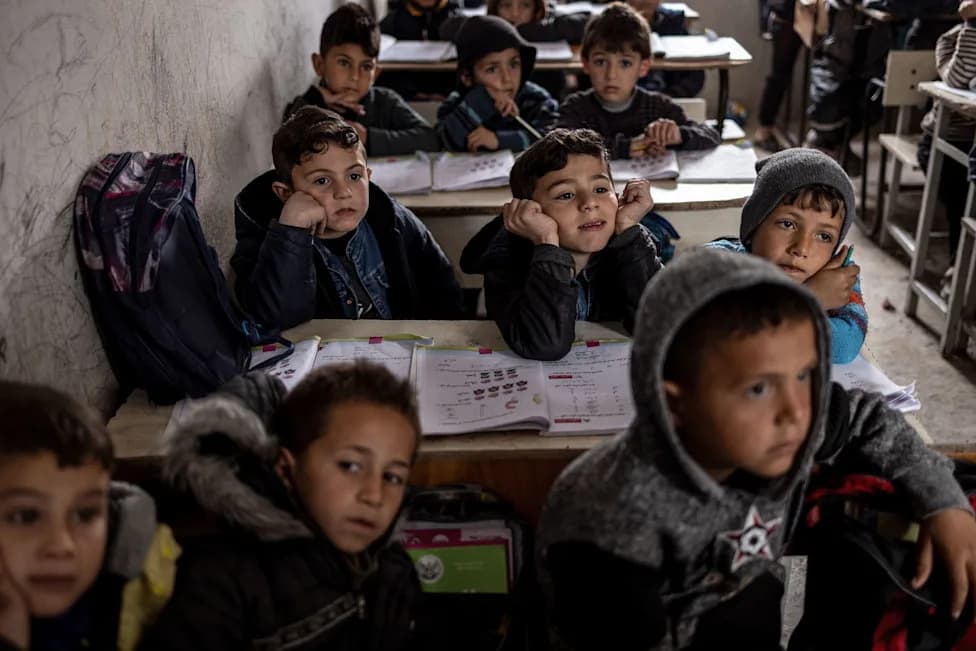
The researchers conducted surveys in a range of host and transit countries, including Jordan, Colombia, Mexico and Turkey. In Jordan, for example, 81% of respondents reported having only "vague ideas about moving on, staying or returning." The country has received large numbers of Palestinians, Syrians and people from Iraq.
What the Report Reveals
While some refugees have clear relocation plans, the report stresses that for many intentions remain uncertain—shaped by limited financial means, legal barriers and uncertain reception policies in potential destinations. The authors warn that rhetoric and new policies in destination countries can further restrict opportunities even when people wish to move.
Criticism of EU Asylum Overhaul
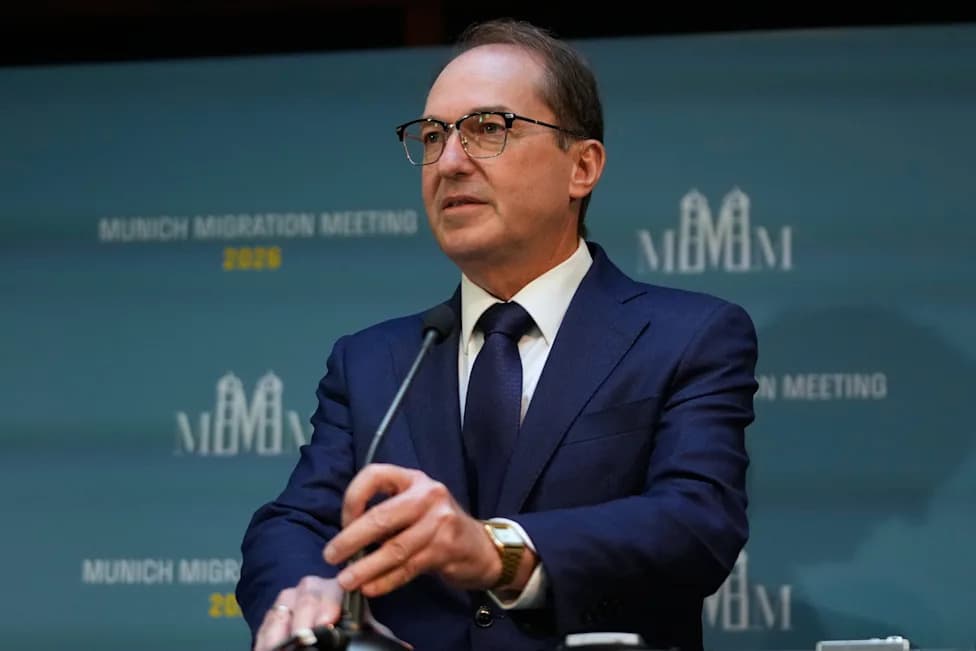
The study’s authors are sharply critical of the reform of the EU’s Common European Asylum System (CEAS), which is due to take effect on June 12. Franck Düvell of the Institute for Migration Research and Intercultural Studies at the University of Osnabrück calls the overhaul "poorly crafted," arguing it effectively rolls back refugees' rights.
Petra Bendel, a migration researcher at Friedrich-Alexander University Erlangen-Nuremberg, says breaches of law are already occurring at Europe’s borders, citing practices such as German authorities turning people away at intra-EU borders without carrying out a genuine assessment of protection needs. She describes this approach as "recklessly nationalistic."
The report also finds no clear empirical evidence that stepped-up German border controls or reductions in social benefits have reduced the number of people seeking asylum, even though recorded asylum applications have fallen across the EU as a whole. The authors caution that falling numbers do not necessarily indicate diminished need or fewer attempts to seek protection; they may reflect deterrence, diversion, or barriers to access.
Implications
Researchers say policies should be guided by evidence and international law, and that reforming asylum systems must avoid undermining basic protection standards. The Global Report on Forced Migration 2026 calls for attention to the practical obstacles refugees face when considering onward movement and for safeguarding fundamental rights at borders.
Help us improve.