The EU's 27 home affairs ministers meet in Luxembourg to consider tougher deportation measures and new rules that would enable detention and the creation of return hubs outside the bloc. Five EU states — Denmark, Austria, Greece, Germany and the Netherlands — are exploring centres in Africa, with Rwanda the most likely early partner. Lawmakers who visited Rwanda and Uganda reported officials were open to talks, but critics warn of human rights and oversight risks. Ministers will also review the Ceuta surge and consider an EU emergency tool and strengthened early‑warning measures.
EU Ministers Push Tougher Deportations As Five States Pursue Return Hubs In Africa — Rwanda Seen As Likely Partner

EU ministers are expected to approve new allowing the creation of return hubs (Nicolas TUCAT)
European Union home affairs ministers from all 27 member states meet in Luxembourg to discuss stepped-up measures to speed up deportations and returns, amid rising anti-immigration sentiment across the bloc and recent far‑right gains in Germany.
What Ministers Will Discuss
The agenda includes proposals to strengthen cooperation with selected "priority" third countries to accelerate the return of people who have no legal right to remain in the EU. Ministers are also expected to approve tougher EU rules that broaden detention powers and formally allow the creation of so‑called return hubs outside the bloc.
Five States Exploring Return Centres
Denmark, Austria, Greece, Germany and the Netherlands have been exploring options to establish return centres in Africa. Rwanda is widely reported to be the frontrunner to host such a centre, and officials in Kigali have said talks with the group of EU states are ongoing.
Two European lawmakers who travelled on an exploratory visit to Rwanda and neighbouring Uganda said their meetings suggested both countries were willing to engage on the idea. "Most likely the first country that a deal will be struck with is Rwanda," one of the lawmakers said, while also stressing human rights and oversight concerns.
Supporters' Case And Critics' Concerns
Supporters argue return hubs could make repatriations more efficient and act as a deterrent to irregular migration by creating a clearer and faster pathway for returns. Critics counter that such centres risk becoming "legal black holes," leaving people in limbo with limited oversight and potential human rights violations. They also point to practical and legal hurdles faced by similar schemes in the past.
Context And Wider Measures
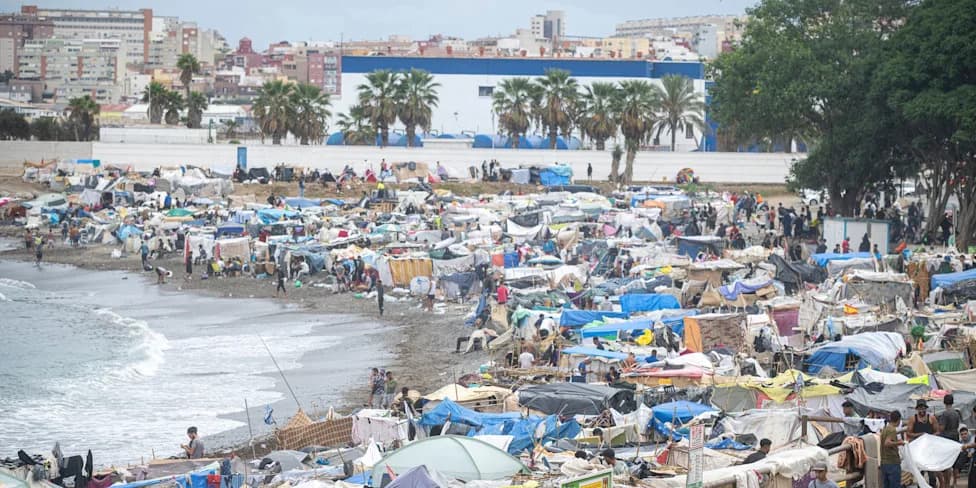
The Luxembourg meeting is the first in‑person gathering of EU interior ministers since this summer's surge of migrants into Spain's Ceuta, an episode that stressed border resilience and triggered a diplomatic dispute between Madrid and Italy. Spain is expected to provide an update on Ceuta and related contingency plans.
European Commission President Ursula von der Leyen has said the Commission will propose an emergency tool to help member states manage mass migration movements, though key details remain to be defined. Separately, work is under way to strengthen the EU's early‑warning systems; proposals under discussion include expanding the mandate of the bloc's border agency, Frontex, to include more proactive monitoring such as social media analysis.
Key Quote: "Return hubs must not become places where rights are suspended or oversight is absent," said one lawmaker who opposes the plans.
Ministers face the challenge of balancing political pressure to curb irregular migration with legal obligations, human rights standards and the practical limits of cooperation with third countries.
Help us improve.