MIAMI — When Latonya Floyd stepped outside her family home, a photographer already had his camera aimed at the property. “There was no knock, no hello,” she recalls. He told her he was simply taking pictures for his employer, a real estate investor. The Floyds had lived in that house for three generations and were not selling. Still, soon after that encounter her parents installed the locked gate she had long requested.
From Community Yards To Locked Gates
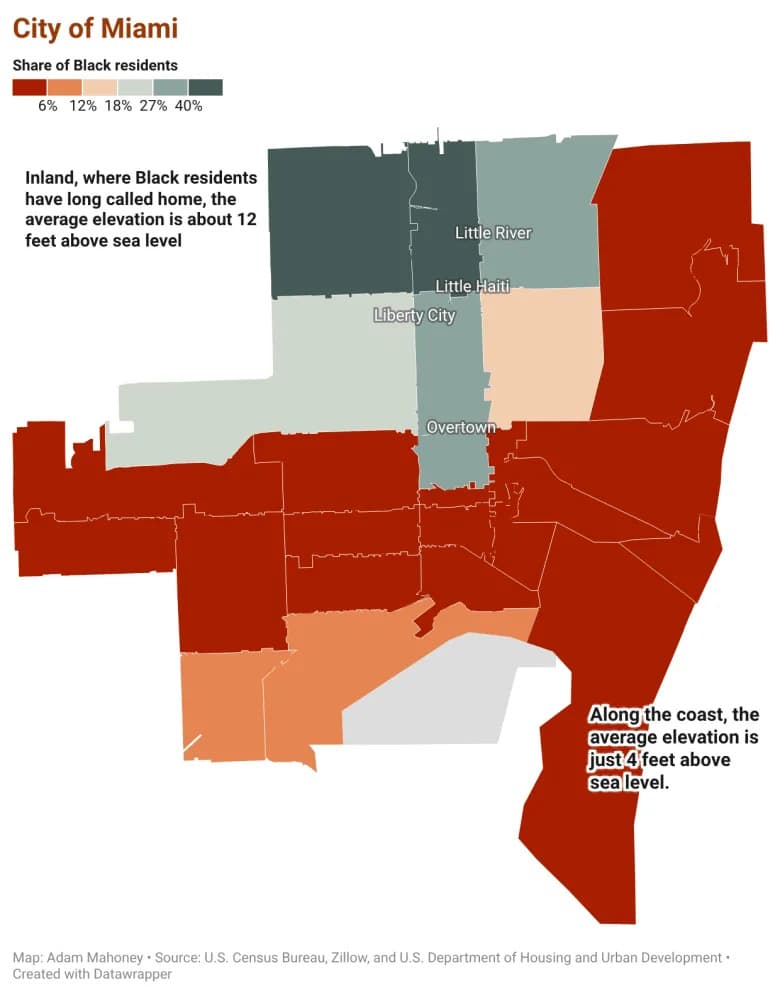
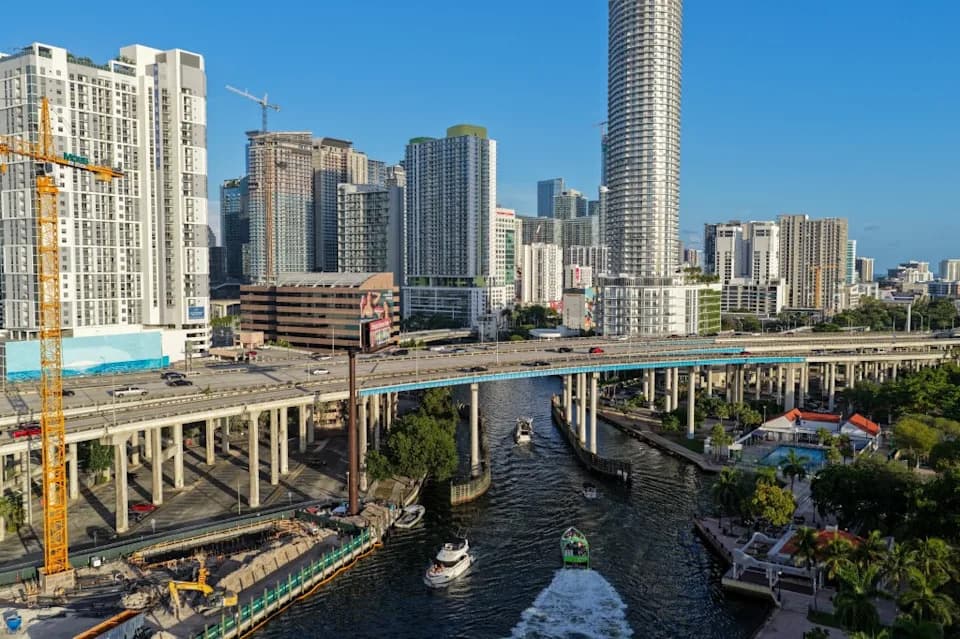
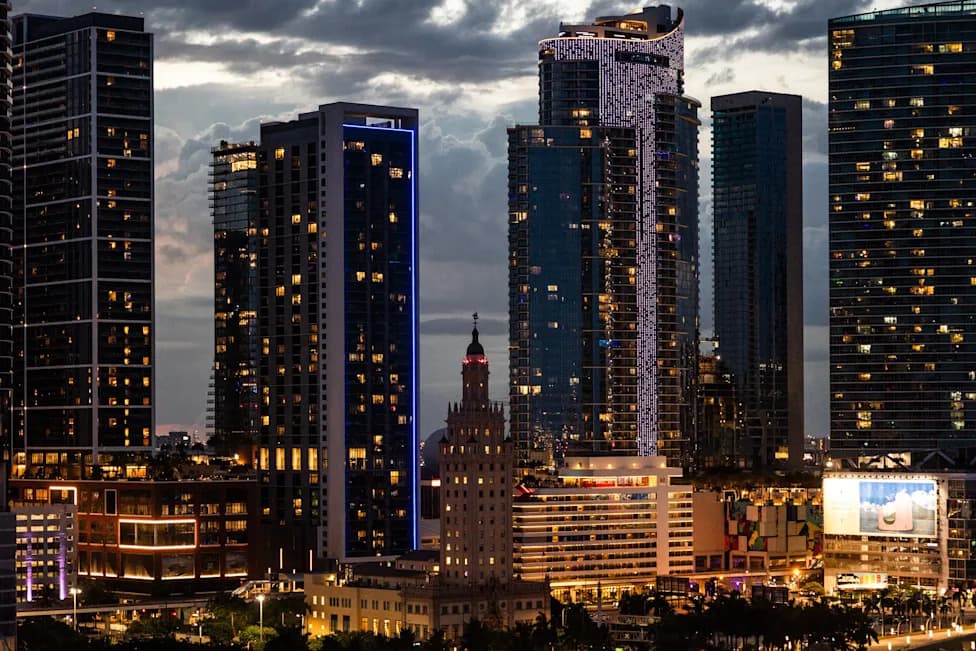
What once felt like small acts of discourtesy have become symptoms of a larger shift tied to climate change and real estate speculation. Miami now leads the nation in all-cash home purchases, with investors buying long-held Black-owned homes. As waterfront property grows riskier from sea-level rise and stronger floods, developers and wealthier buyers are moving inland to neighborhoods that sit on slightly higher ground — historically Black neighborhoods that had been marginalized for decades.
On The Ridge
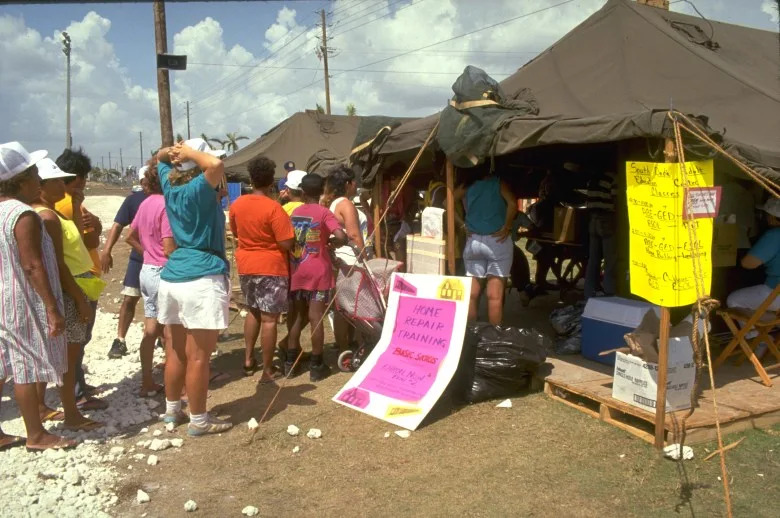
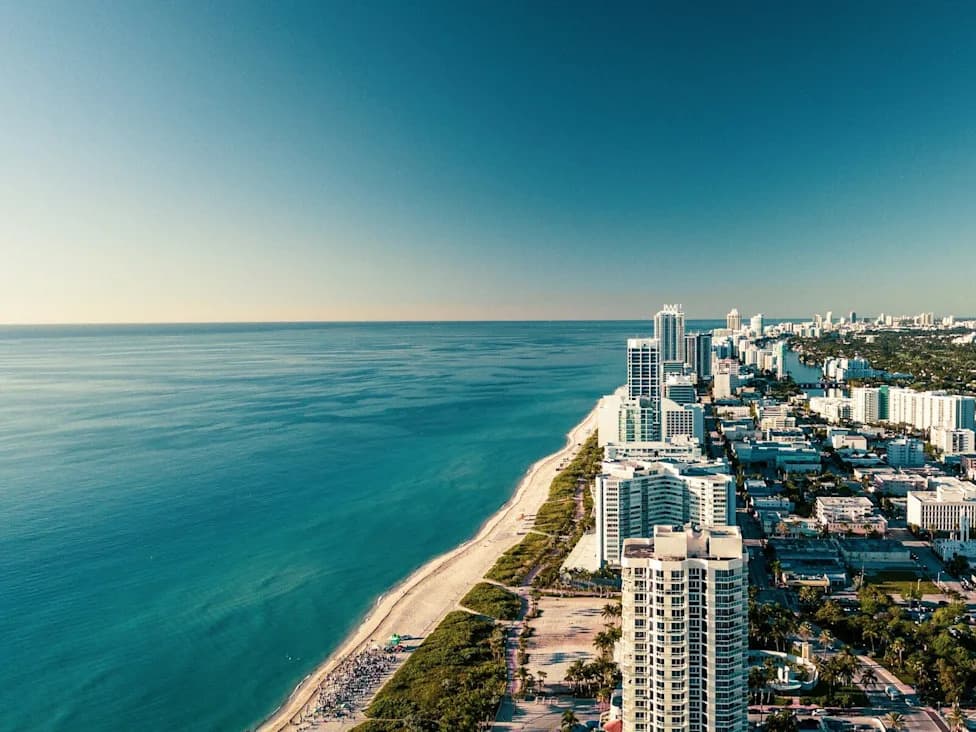
Many of those neighborhoods rest on a natural limestone ridge roughly eight feet above the coastline. That elevation spared them from the worst damage of storms such as Hurricane Andrew in 1992, which devastated coastal areas. But the same geographic advantage is now attracting new investment and driving up prices, a process scholars and residents call climate gentrification.
Fast Changes, Deep Consequences
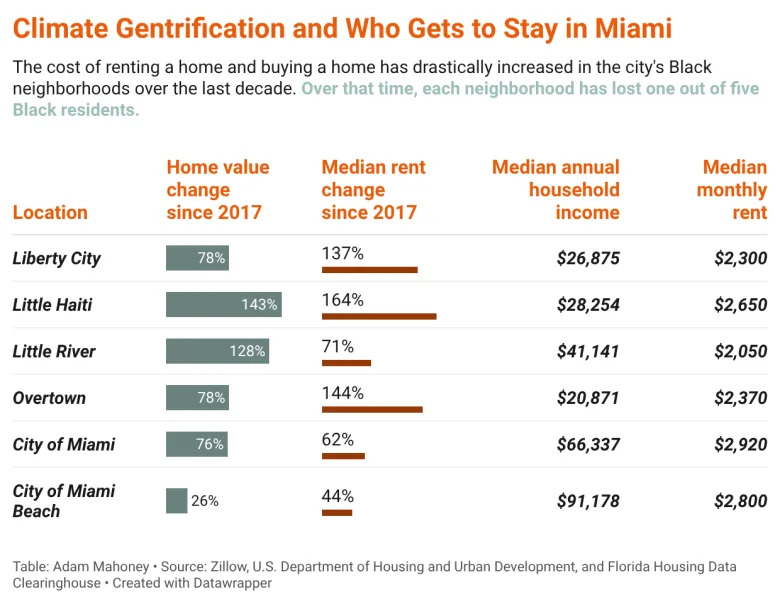
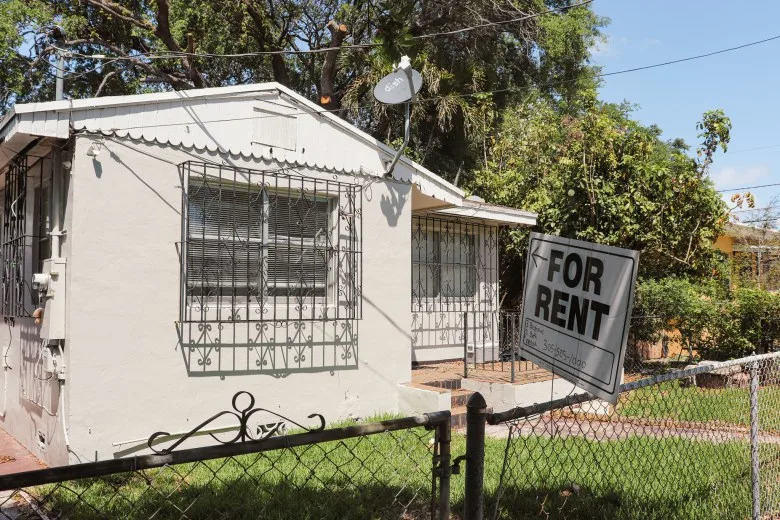
On Floyd s block, half the houses have sold since 2023. A rental that fetched about $800 a month in 2021 now lists for roughly $2,200. Property values on some blocks doubled in two years. The city s share of Black residents has fallen from about 17 percent to roughly 10 percent in under 15 years.
Climate gentrification is reshaping neighborhoods: investors are buying inland properties with cash, insurance costs are changing the market, and longtime residents face eviction, higher taxes and rising rents.
How Insurance And Policy Are Rewriting The Market
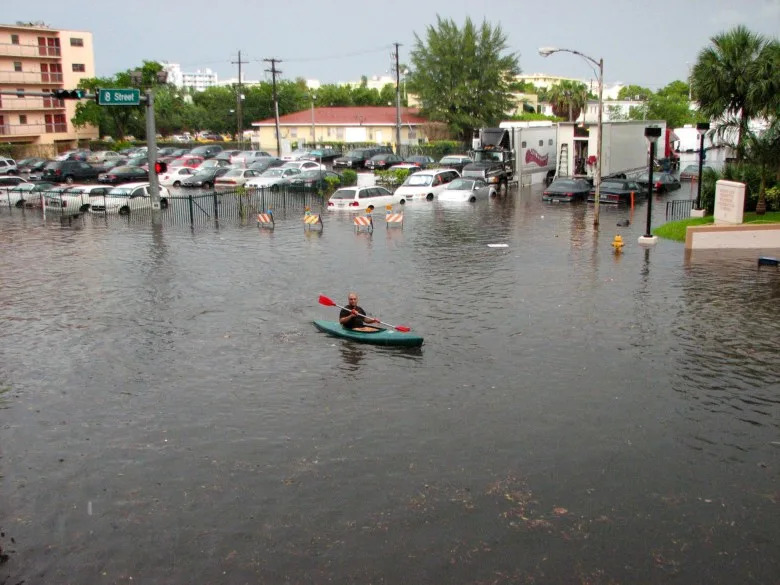
After Hurricane Andrew, Florida s insurance market reset: insurers exited, reinsurance costs rose, and risk models were rewritten. Today home insurance costs in Florida have nearly doubled since 2014, and coastal premiums in Miami could quadruple by 2055. Sea levels near Miami are projected to rise about one foot by 2055, and floods that were once rare could become annual events. These market signals push wealth inland and make historically Black neighborhoods attractive targets for buyers and developers.
Local policy choices can accelerate the trend. Miami s climate plan, Miami Forever Climate Ready, encourages development along transit corridors in areas less susceptible to flooding. At the same time, county officials acknowledge that climate investments can raise property values without protecting affordability. The county s property appraiser has proposed factoring climate risk into tax assessments to lower valuations on at-risk coastal properties, a move that could preserve coastal residency but reduce tax revenue.
History, Displacement, And Environmental Racism
These patterns build on decades of policy choices that once confined Black communities to industrial and rail-adjacent inland areas. That siting helped spare them from some storm damage but exposed residents to pollution and disinvestment. Redlining, freeway construction and the conversion of owner-occupied homes into rentals hollowed out homeownership and wealth in neighborhoods such as Overtown, Liberty City, Little River and Little Haiti.
Community Responses: Land Trusts And Cooperative Housing
Local groups are trying to prevent displacement. Organizations like Struggle for Miami s Affordable and Sustainable Housing (SMASH), Power U and the Right to the City Alliance are building community land trusts, creating cooperative housing, fighting evictions and pushing for equitable language in climate and housing plans. SMASH s land trust received about $1 million from the Florida Community Loan Fund to acquire and rehab multifamily units, creating at least nine affordable units so far. Its shared-equity model gives homeowners 51 percent of a home s equity while impact investors cover the remainder — a structure that can preserve affordability long-term but requires major capital to scale.
Advocates say the work is urgent. Since 2017 median rent in some neighborhoods has nearly tripled and Black populations have been sharply reduced. Displaced residents often double up with family, sleep in cars or rent storage units between shifts. Community organizers emphasize that heat stress, failed air-conditioning, and housing instability are part of the same crisis that fuels speculative cash offers on houses.
Neighborhood Life And Resilience
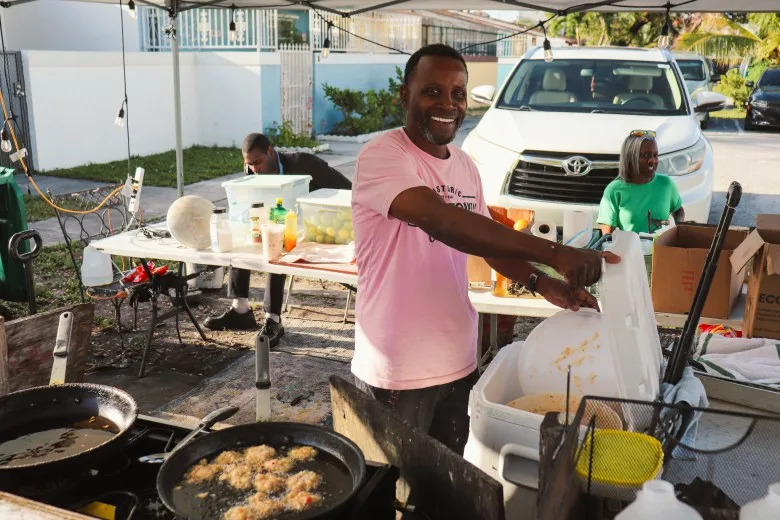
Even as speculators move in, daily life continues. On a recent afternoon, Floyd stood with neighbors eating conch balls and swapping stories. They still call local children nephew and cousin, and they still stake a claim to place and belonging. But the neighborhood s future is uncertain. When homes sell quickly for cash and murals are defaced, residents hear a message about who is welcome and who is not.
What s At Stake
This is more than a local story: researchers warn that climate-driven displacement could force more Americans from their homes by the end of the century than the Great Migration did in the 20th century. In Miami s metro area alone, more than one million people may be displaced by climate impacts over coming decades. The effort to keep communities rooted, equitable and resilient will require both large-scale public policy and local organizing — including funding mechanisms that let residents remain owners of their land while making neighborhoods more climate-safe and affordable.
Read More: From Watts to D.C.: How 500 Black Neighborhoods Vanished in 45 Years; The Black Mecca s Climate Plan Is Costing Black Residents Their Homes; Moving South, Black Americans Are Weathering Climate Change.
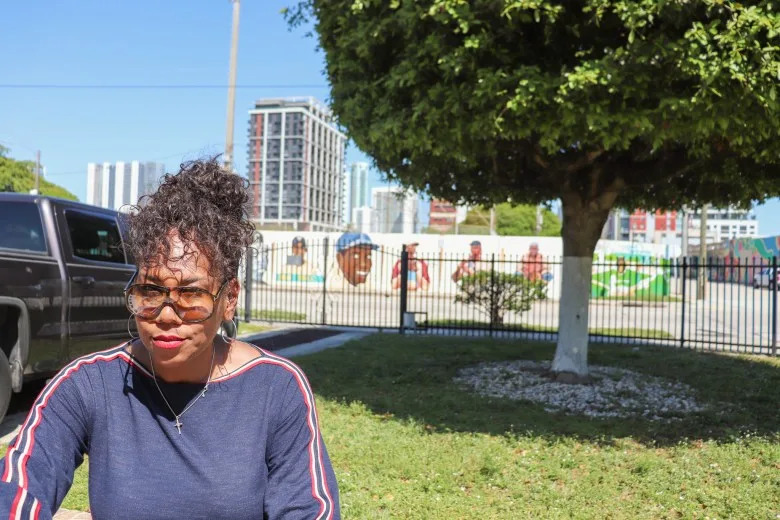
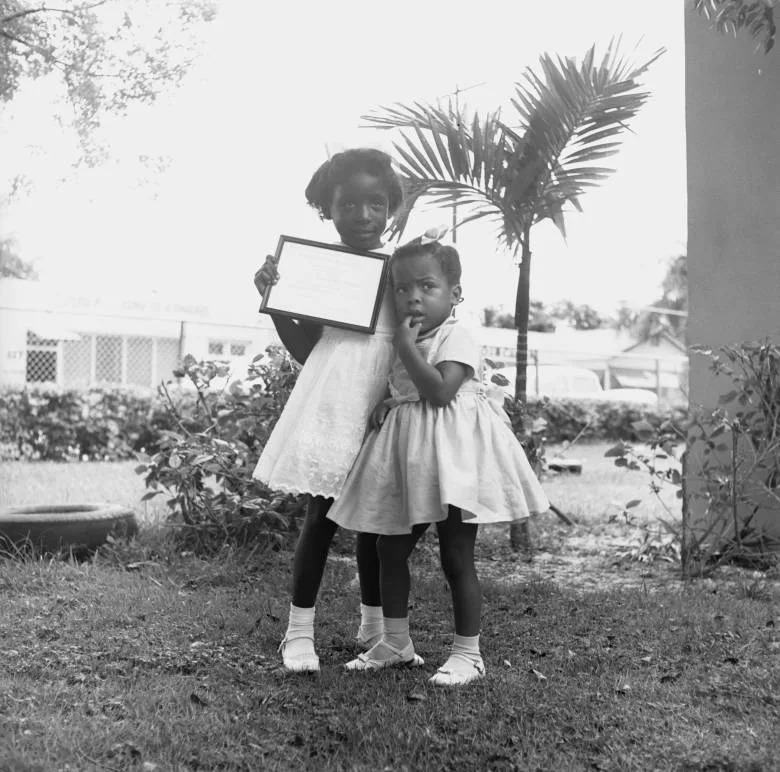
Nikki Floyd’s Miami community is on the front lines of climate gentrification, as property investors search for land on higher elevation. (Adam Mahoney/Capital B)
The Federal Emergency Management Agency provided food, water, clothing, and temporary housing for those who were affected by Hurricane Andrew in 1992. One million people were evacuated and 54 died in the hurricane. (FEMA Photos by Bob Epstein/Released)
A kayak in the streets of Miami in 2009 after there were several inches of rain, which coincided with tidal effects and a lack of drainage. (maxstrz on Flickr via Wikimedia Commons)
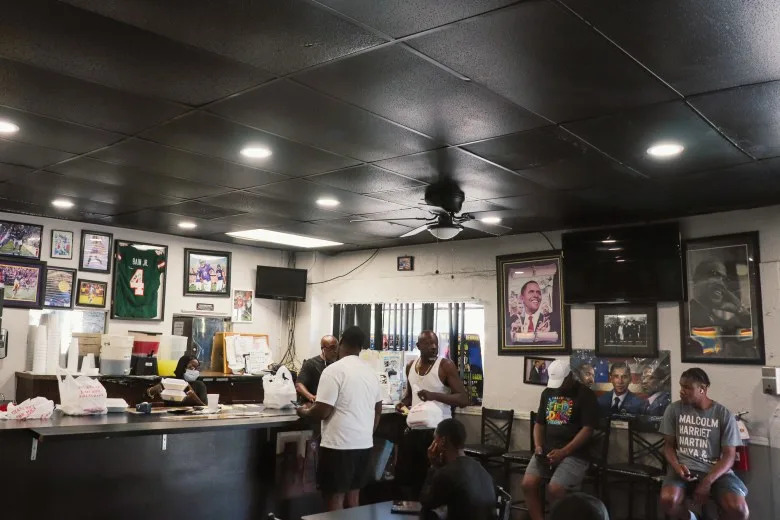
A long-standing restaurant in Little Haiti. (Adam Mahoney/Capital B)
A three bedroom home in Little Haiti sits for rent at $2,800 per month or $33,600 annually. The average household income in this neighborhood is $28,000 annually, according to the federal government. (Adam Mahoney/Capital B)
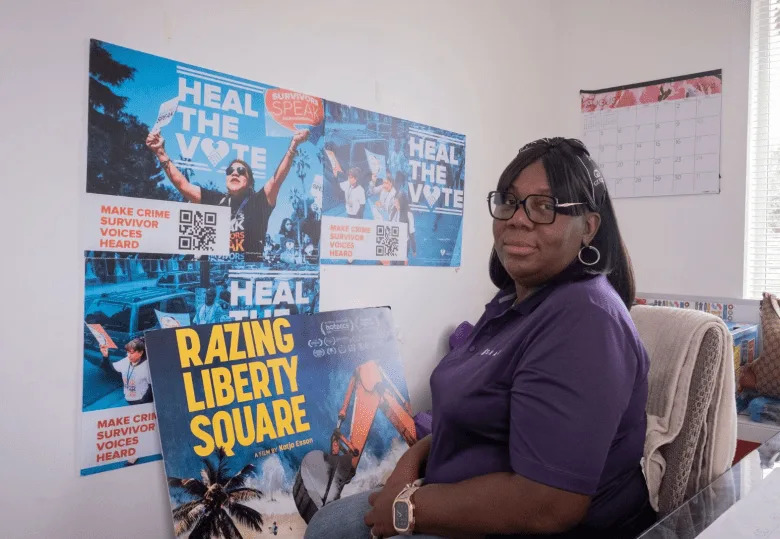
Trenise Bryant is one of the leaders of Struggle for Miami’s Affordable and Sustainable Housing, or SMASH. (Courtesy of SMASH)
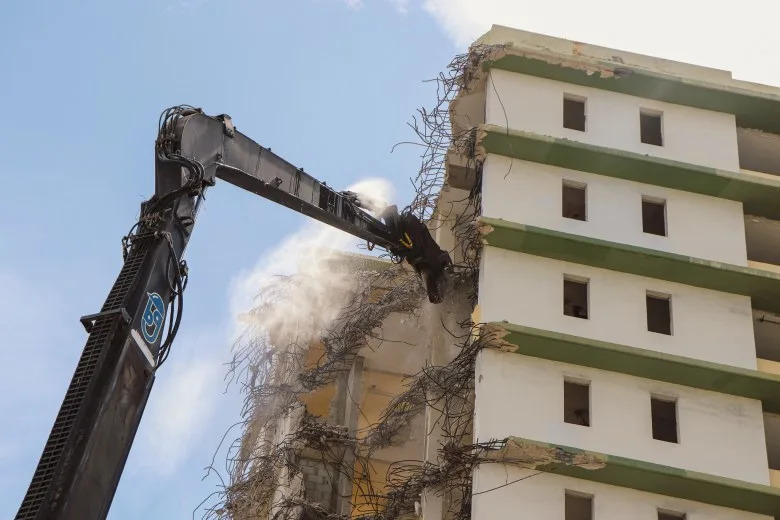
A former public housing complex in a historic Black neighborhood is demolished for new, mixed-income housing. (Adam Mahoney/Capital B)
Ken Mahoney cooks up conch balls for his Miami neighbors. (Adam Mahoney/Capital B)