Researchers report that deer keds (Lipoptena andaluciensis) cut expression of five vision-related opsin genes by roughly half after settling on a host. The study, published in the Journal of Experimental Biology, compared RNA from winged, host-seeking flies and keds taken from deer. The authors conclude reduced light sensitivity likely allows the flies to reallocate energy toward digestion and reproduction.
Blood-Sucking Deer Keds Shut Down Vision After Finding a Host, Study Finds
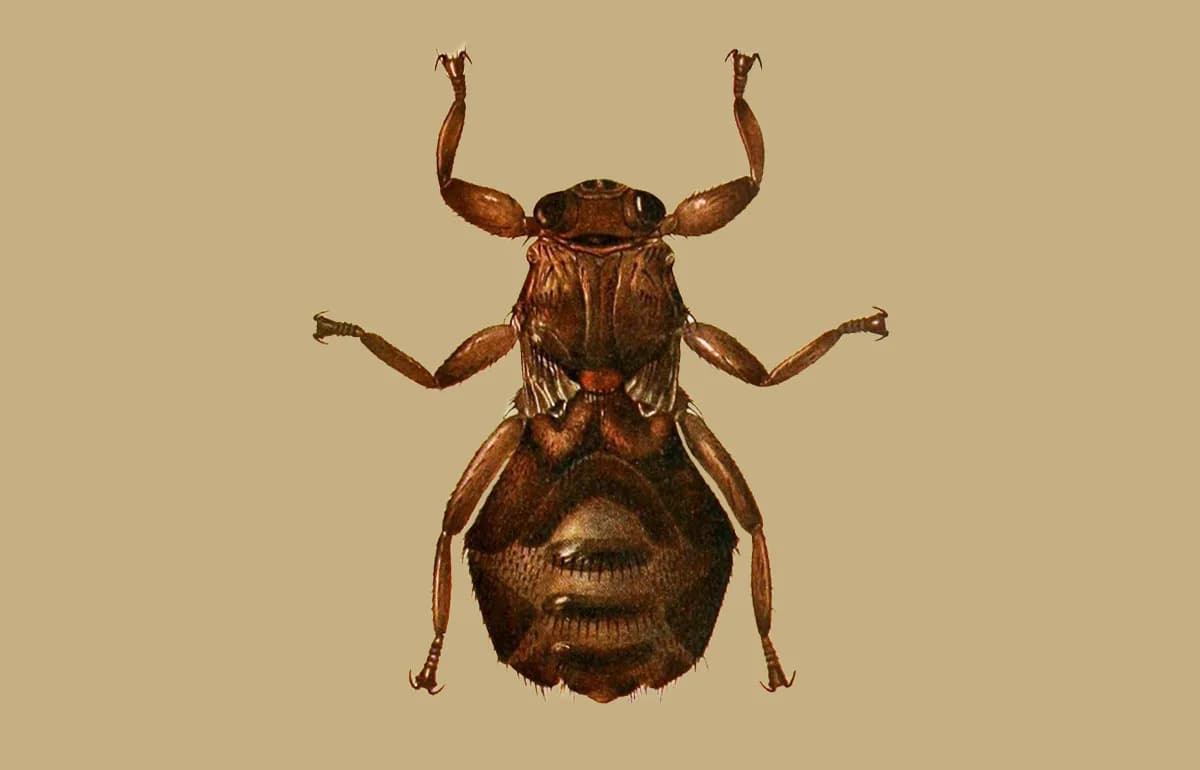
Parasitic deer keds (Lipoptena andaluciensis) dramatically reduce their visual gene activity once they settle on a host, suggesting these blood-feeding flies rewire their sensory priorities to conserve energy for feeding and reproduction.
How Researchers Studied the Change
Researchers from the United Kingdom and Italy collected winged, host-seeking keds from vegetation, researchers' clothing and nearby perches at woodland edges in Tuscany, and compared them with keds recovered from recently killed deer. The team removed the flies' heads, extracted RNA and measured gene expression in the brain to compare animals searching for hosts with those already attached and feeding.
Key Result: Vision-Related Genes Drop
The study, published in the Journal of Experimental Biology, found that expression of five opsin genes—genes involved in detecting light—fell to roughly half their original activity in keds that had settled on a host. The reduction does not abolish any single visual capability outright, but it likely reduces light sensitivity overall.
Roger Santer, lead author and biologist at Aberystwyth University, said the shift is consistent with the flies exchanging the costs of acute vision for resources spent on digestion and reproduction after landing on a host.
Biological and Evolutionary Implications
Deer keds are known to shed their wings after locating a host and live on that animal for the remainder of their lives. Maintaining sensory systems is metabolically expensive; by dialing down visual sensitivity once a host is secured, keds may reallocate energy to processes that improve survival and reproductive success while permanently resident on the host.
Bottom line: Lipoptena andaluciensis shows a rapid, measurable shift in brain gene expression that matches its dramatic lifestyle change—from an active, winged hunter to a sedentary, blood-feeding parasite.
Help us improve.