Dr. Ndidiamaka Amutah-Onukagha leads the Center for Maternal Health Advancement, which advances a lifespan-based model centering Black women from adolescence through menopause. The piece argues maternal health must shift from crisis-focused care to prevention and structural change, addressing chronic disease, discrimination, access to doulas and midwives, and workforce diversity. It calls for policy, workplace, health system, and philanthropic actions to tackle root causes and center Black leadership in solutions.
The Future of Maternal Health: Centering Black Women Across the Lifespan

Dr. Ndidiamaka Amutah-Onukagha, founder and director of the Center for Maternal Health Advancement, is a nationally recognized scholar, advocate, and leader in Black maternal health.University of Massachusetts Chan Memorial Medical School
Dr. Ndidiamaka Amutah-Onukagha, founder and director of the Center for Maternal Health Advancement, is a nationally recognized scholar, advocate, and leader in Black maternal health. Under her leadership, the Center has expanded its focus to promote maternal health equity across the full arc of women's lives—from adolescence through menopause and beyond.
The Problem: A Narrow, Crisis-Focused System
Recent weeks of attention to Black maternal and women’s health have returned stark disparities to the national spotlight. Yet public concern too often centers on acute crises—during pregnancy, at delivery, or in postpartum emergencies—while ignoring the years or decades of structural inequity that increase risk long before a pregnancy begins.

A maternal health equity approach address the structural conditions that shape maternal health outcomes before, during, and beyond pregnancy.getty
A Lifespan Approach
Dr. Amutah-Onukagha and the Center for Maternal Health Advancement argue that maternal health must be reframed as a lifespan issue. That means focusing on prevention, continuity of care, and the social, economic, and environmental conditions that shape health across a lifetime. As Dr. Amutah-Onukagha explains:
"Maternal health is not defined by pregnancy alone. It is shaped by access to care, chronic stress, reproductive autonomy, and support across a woman’s life. The Center for Maternal Health Advancement allows us to deepen our impact by advancing equitable, dignified care for every mother facing barriers to quality healthcare."
Why This Matters
Black women in the United States remain approximately three times more likely than white women to die from pregnancy-related causes. Research shows these disparities arise not solely from individual clinical conditions but from structural and social determinants such as racism, fragmented care systems, underinvestment in prevention, and unequal distribution of medical resources.
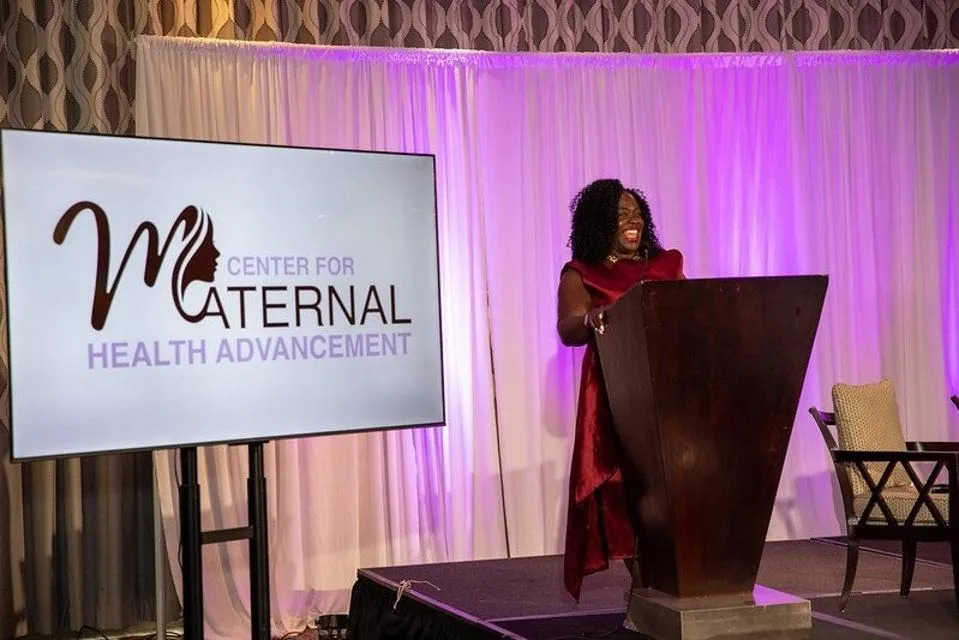
Dr. Amutah-Onukagha recently expanded the Center for Black Maternal Health & Reproductive Justice into the Center for Maternal Health Advancement, broadening its focus across the female lifespan.Center for Maternal Health Advancement, Tufts University
Black women face higher rates of hypertension, cardiovascular disease, uterine fibroids, and chronic stress—all of which influence maternal outcomes. Even when clinical risk factors are absent, many Black women experience discrimination, have their pain dismissed, and must navigate disjointed systems of care.
Practical Solutions and Policy Implications
The Center’s lifespan model calls for interventions across sectors. Key priorities include expanding access to doulas and midwives, improving postpartum coverage, investing in preventive care long before pregnancy, diversifying the health care workforce, addressing implicit bias, and centering community-engaged research and lived experience in policy solutions.
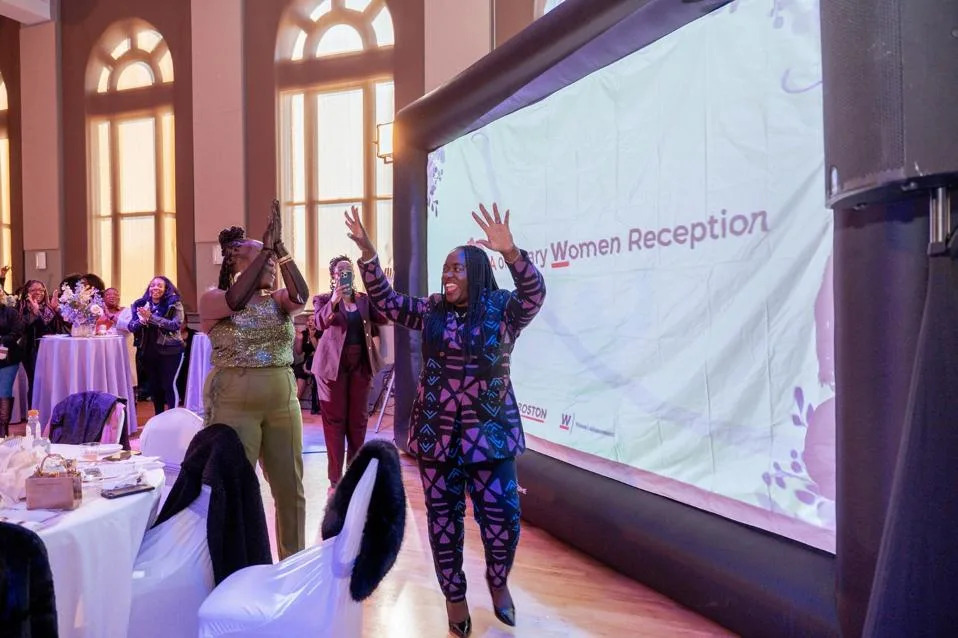
Dr. Amutah-Onukagha is recognized at the Annual EXTRAordinary Women’s Reception in Boston for her leadership advancing research, policy, and community-driven solutions that center Black women and maternal health equity.City of Boston Office, Women's Advancement
Broader policy actions that function as maternal health interventions include paid family leave, Medicaid expansion and extended postpartum coverage, affordable childcare, housing stability, income supports, and environmental justice measures. Employers must consider how workplace policies—flexibility, benefits, and anti-discrimination protections—shape long-term health.
Representation and Trust
Black people make up roughly 13% of the U.S. population but account for about 5% of active physicians; Black women comprise approximately 2% of physicians overall. While representation alone will not dismantle structural racism, it is essential for trust, cultural humility, patient advocacy, and institutional change.
The Center’s Model
The Center for Maternal Health Advancement positions Black maternal health as a lens that reveals broader systemic failures and paths to repair. It emphasizes community-engaged research, evidence-based advocacy, and partnerships with doulas, clinicians, and community organizers. The Center insists that Black women are not merely subjects of study but leaders in designing solutions.
Conclusion
Transforming maternal health requires widening the frame: from crisis response to prevention, from episodic care to continuity, and from isolated clinical fixes to structural change. If the nation is serious about improving maternal outcomes, Black women’s leadership, scholarship, and lived experience must be central to policy, research, clinical practice, and philanthropy.
Dr. Amutah-Onukagha was recently recognized at the Annual EXTRAordinary Women’s Reception in Boston for her leadership in advancing research, policy, and community-driven solutions that center Black women and maternal health equity. This article was originally published on Forbes.com.
Help us improve.