Severe mouse plagues are devastating grain farms across Western and South Australia, invading homes and consuming seed and stored grain. Experts say some areas report thousands of mice per hectare — far above the 800/hectare plague threshold — and mice reproduce extremely rapidly. Farmers face rising costs for fuel and fertiliser amid geopolitical supply disruptions; regulators have recently approved a stronger bait and cooler winter weather may help reduce numbers.
‘Like a Decaying Body’: Mouse Plague Devastates Farms Across Western and South Australia

Western Australia farmer Geoff Cosgrove hopes mice numbers will drop as winter approaches [Geoff Cosgrove]
A severe mouse plague is sweeping large agricultural regions of Australia, with rodents invading homes and stripping grain fields. The outbreak has intensified pressure on farmers who are already struggling with higher fuel and fertiliser costs tied to recent geopolitical tensions that have disrupted supplies.
Impact On Farmers and Crops
Growers say the cost is more than bait and labour: many have re-planted eaten seed or spent long hours laying treated bait (sterile seed laced with rodenticide). Geoff Cosgrove, who runs a 14,000-hectare property in Mingenew, Western Australia, describes the stress:

Belinda Eastough estimates thousands of mice in her paddocks of wheat, canola and lupin [Amy Schultz]
"They play with your mind — running at night, in the ceiling, the air‑conditioning units. You can hear them and you can smell them — it's like a decaying body."
Farmers in WA reported plague-like numbers from March, and neighbours in South Australia soon saw similar surges. Some paddocks have seen extraordinary densities: agronomist Belinda Eastough estimates 8,000–10,000 mice per hectare in parts of her canola fields.
Why Numbers Have Exploded
Experts point to a combination of abundant food and favourable weather. A record harvest left large amounts of spilt grain in paddocks, and subsequent summer rain encouraged lush regrowth — providing both "steak and salad" for mice. These conditions let populations reproduce rapidly.
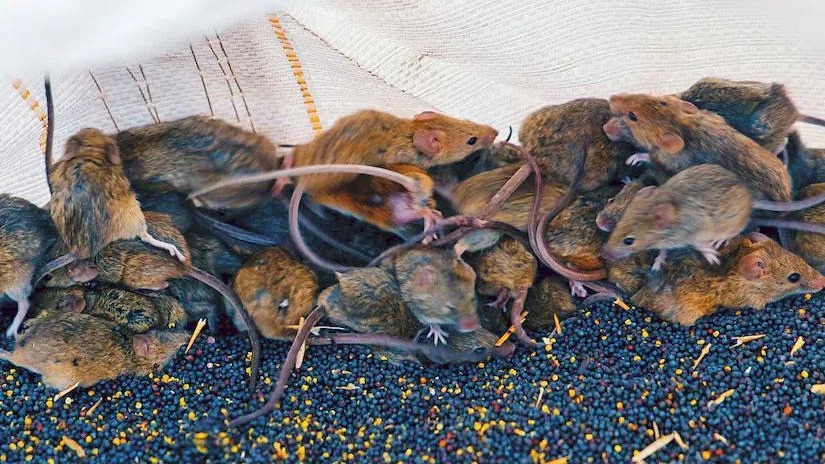
Farmers are reporting thousands of mice eating freshly sown seeds [Australian Broadcasting Corporation/Chris Lewis]
Steve Henry of CSIRO explains that a plague is typically defined as around 800 mice per hectare; this season farmers report densities in the thousands. On a transect in WA he counted 30–40 active burrows along 100 metres of one‑metre wide ground, implying at least 3,000–4,000 active burrows per hectare in affected areas.
Mice can breed at six weeks old and produce six to ten pups every 19–21 days. Females may become pregnant again within days of giving birth, allowing explosive population growth.
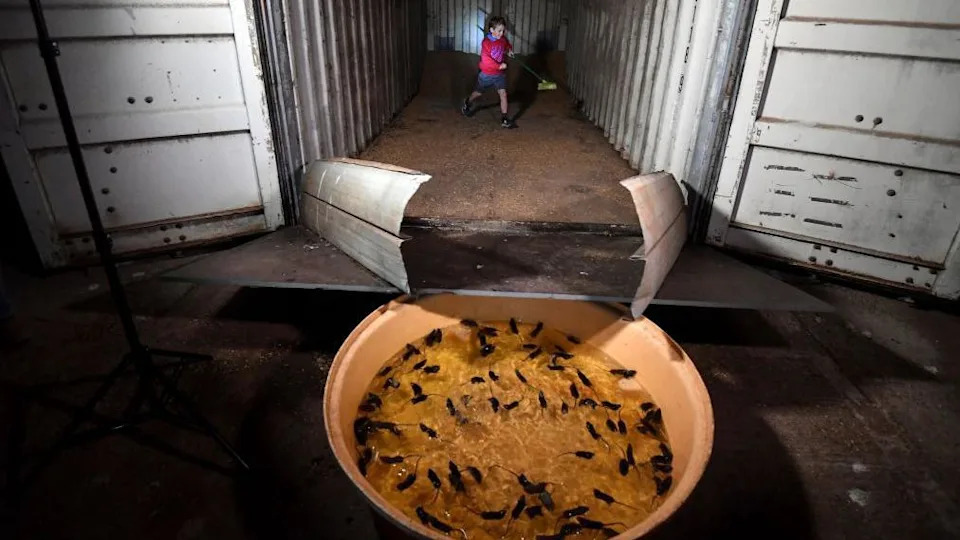
During the mouse plague of 2021, farmers created mouse traps with tubs of water [Getty]
Economic And Psychological Toll
Beyond crop losses and replanting costs, farmers report sleepless nights and constant stress. Henry highlights the psychological impact: unlike drought, a mouse infestation follows farmers indoors — into pantries, sheds and homes. One retired farmer reported catching dozens of mice in his house and hundreds in his shed each day.
Response And Outlook
After months of requests, regulators recently approved a higher-strength bait, which has begun rolling out to farmers. With cooler, wetter winter conditions approaching, some growers report early declines in mouse activity, and many hope populations will fall as temperatures drop.
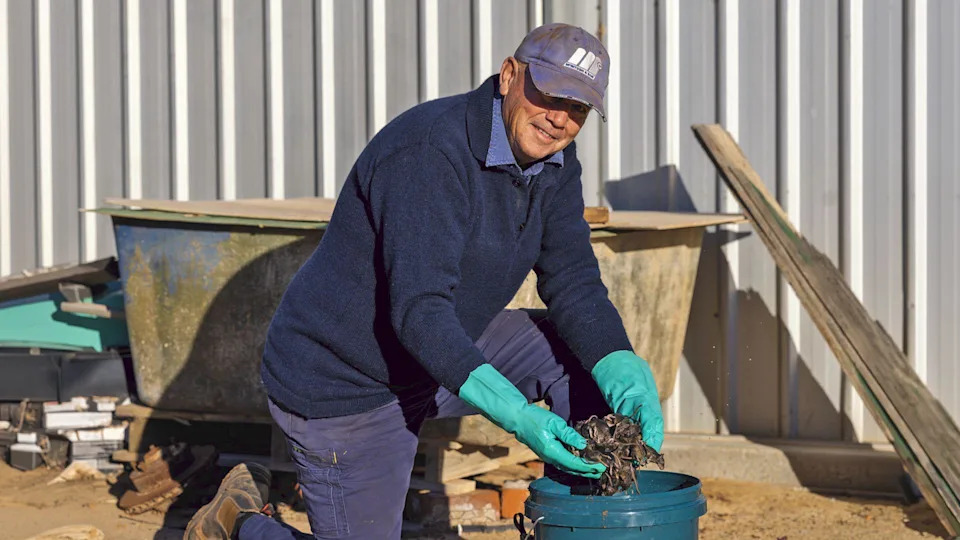
Damian Ryan says the mouse plague is the worst he's ever seen in his 50 years of farming [Australian Broadcasting Corporation/Chris Lewis]
Still, authorities and farmers warn that coordinated baiting, biosecurity measures and careful monitoring will be needed to limit further damage and protect future plantings.
Context
The 2021 mouse plague is a recent precedent: that outbreak devastated large parts of New South Wales and Queensland, forcing measures such as relocating prisoners where infestations damaged correctional facilities. The current crisis underscores how quickly favourable conditions can turn local rodent populations into large-scale agricultural emergencies.
Help us improve.