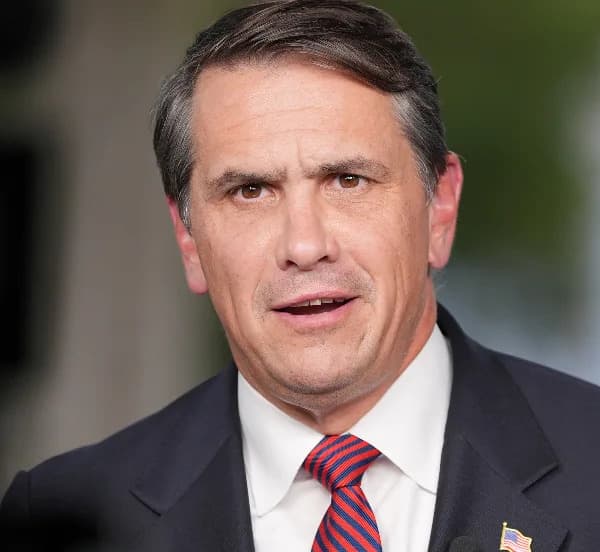
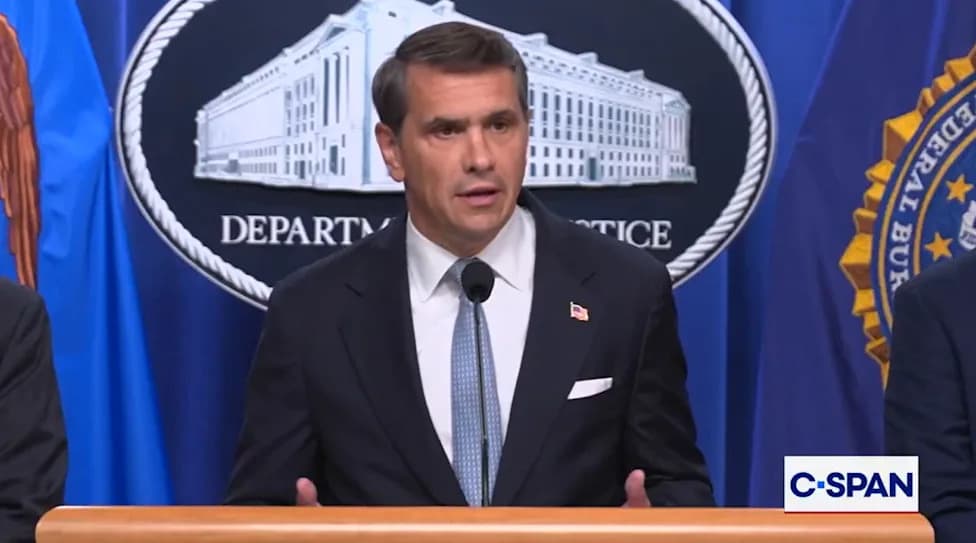
Officer Daniel Hodges has filed a lawsuit to stop a $1.8 billion "Anti-Weaponization Fund" created under a settlement in Donald Trump’s $10 billion lawsuit against the IRS. Hodges told SiriusXM host Dean Obeidallah the fund risks acting as a "retainer" that could incentivize future violent acts by domestic extremists rather than serving solely as victim compensation. The plaintiffs were recruited by attorney Brendan Ballou, and critics worry the payments are transactional and politically motivated.
J6 Officer Sues to Block $1.8B ‘Anti-Weaponization’ Fund, Warns It Could Fund Future Violence
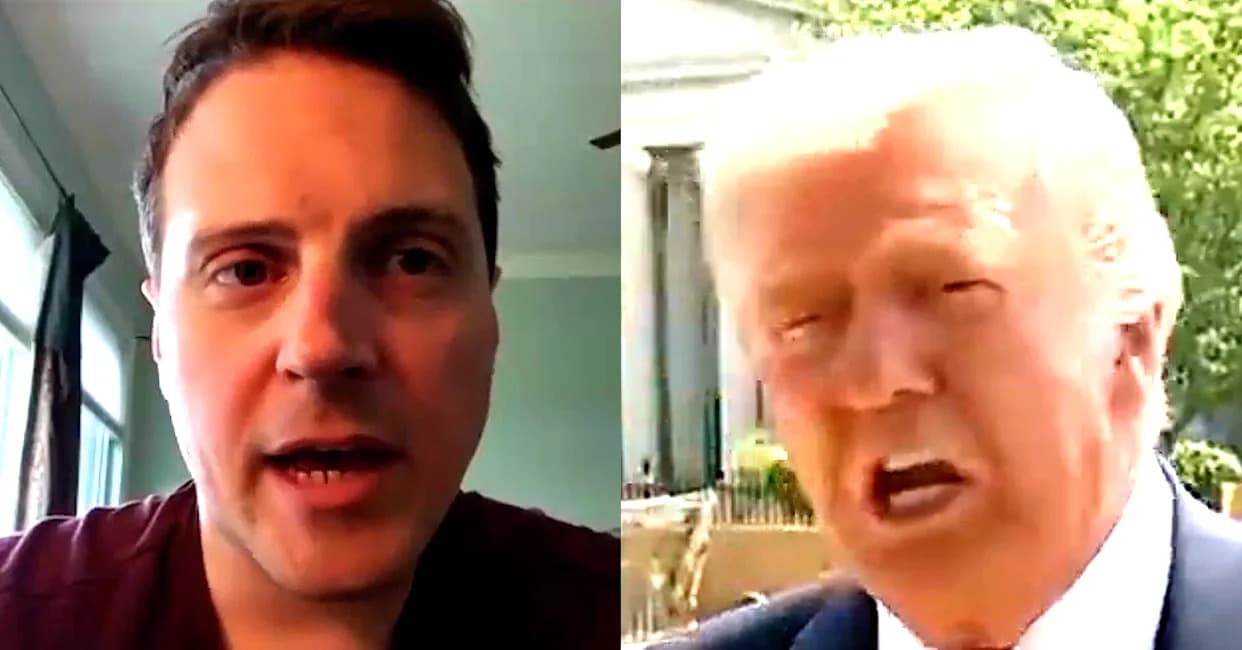
Washington, D.C. Metro Police Officer Daniel Hodges has filed a lawsuit seeking to block distribution of a newly announced $1.8 billion fund he says could bankroll future violence by domestic extremists.
The Justice Department created the so-called Anti-Weaponization Fund this month as part of a settlement in former President Donald Trump’s $10 billion lawsuit against the IRS over an alleged leak of his tax returns. Hodges — who was injured on Jan. 6 and has been a vocal critic of the proposed payouts — argued on SiriusXM’s The Dean Obeidallah Show that the fund functions less like victim compensation and more like a "retainer" for people willing to use violence for political ends.
"It's pretty brazen, nakedly corrupt," Hodges said, adding that the payments are transactional and risk rewarding those who engaged in violence on Jan. 6.
Why Hodges Sued
Hodges told host Dean Obeidallah that he and other plaintiffs were approached by attorney Brendan Ballou, a former federal prosecutor who worked on Jan. 6 cases, and asked to join the suit. Hodges said the goal is to stop what he described as a misuse of public funds that could effectively underwrite future attacks.
"Even in the best light it's a horrible waste of money," Hodges said. "In the worst light it's giving money to domestic terrorists for any future crimes that they might want to commit."
Broader Context
Obeidallah noted reports suggesting the acting attorney general has not ruled out the possibility that individuals convicted of assaulting officers on Jan. 6 could qualify for compensation from the fund. FBI Director Christopher Wray previously characterized the Jan. 6 attack as an act of domestic terrorism during testimony before Congress, a designation referenced during the interview.
Hodges framed the payouts as a loyalty-building measure rather than a remedial effort. "Everything is transactional" for Trump, Hodges said, and suggested the fund could keep an already-loyal cohort "on retainer" for any future calls to violence.
Who Else Is Involved
The interview also referenced Harry Dunn, another plaintiff involved in the effort to block the fund’s disbursement. The legal action reflects broader debates about who should receive settlement money and the potential political implications of doing so.
Watch the full interview on SiriusXM’s The Dean Obeidallah Show for more context and commentary from Hodges and others involved in the lawsuit.
Help us improve.