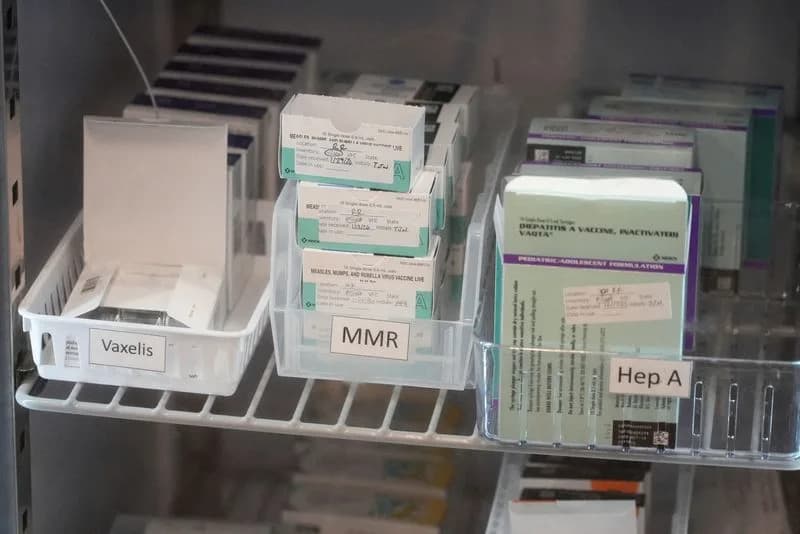
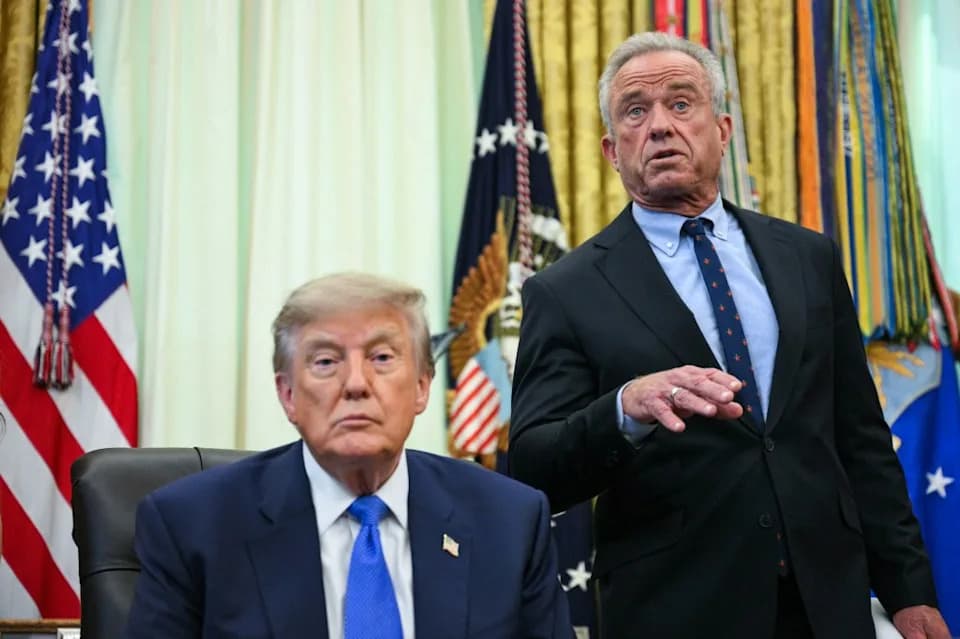
Study Finds: Rising distrust of the medical system among many Republican and conservative Americans has widened health differences with liberals. The divide began in the 2010s alongside education polarization and expanded during the Covid-19 pandemic. 2024 survey data show conservatives are less likely to trust doctors, take chronic-disease medicines, or get vaccinated—factors that may increase risks from hypertension, cardiovascular disease, and long Covid.
Study: Rising Republican Distrust in Healthcare Widens U.S. Health Divide
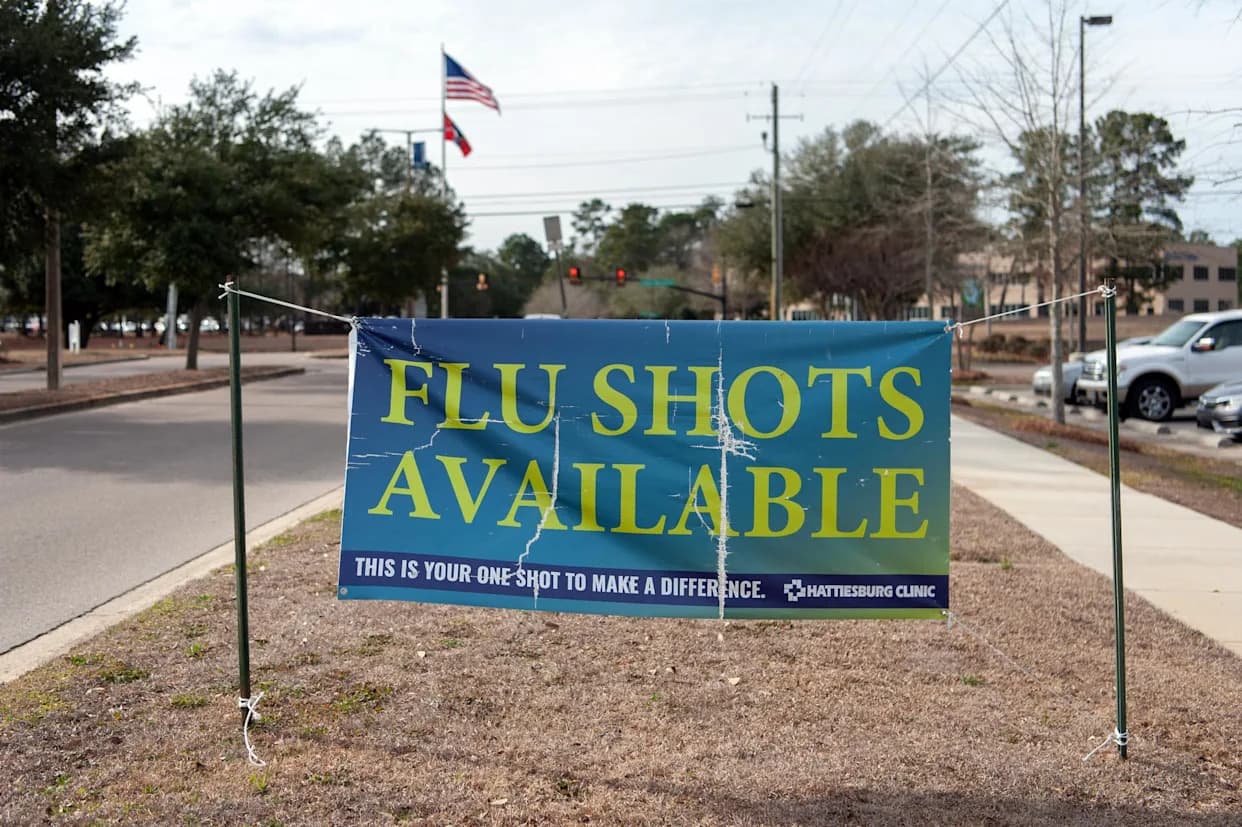
A banner encouraging flu vaccines remains outside the Hattiesburg Clinic in Hattiesburg, Mississippi, on 10 February 2026.Photograph: Rory Doyle/The Guardian(Photograph: Rory Doyle/The Guardian)
A growing distrust of the healthcare system among many Republican and conservative Americans has contributed to widening health disparities between political groups, according to a new study published in Nature Human Behaviour. The research links a long-term shift in political and educational alignment to reduced trust in doctors, lower use of medications for chronic illness, and lower vaccination rates — trends that together may be worsening population health.
Context and Methods
The study, co-authored by Neil O’Brian, a political science professor at the University of North Carolina at Chapel Hill, relies on nationally representative survey data collected in 2024, including the National Longitudinal Study of Adolescent to Adult Health. The authors identify two phases to the emerging health divide: a slow divergence that began in the 2010s associated with education polarization, and a sharper expansion during the Covid-19 pandemic when traditional social determinants could not fully explain widening differences in health outcomes.
Key Findings
O’Brian and his colleagues report that:
- Beginning in the 2010s, people without a college degree became more likely to identify with conservative politics while college-educated Americans shifted left, contributing to an education-linked health gap.
- During and after the Covid-19 pandemic, political differences in trust and health behaviors grew beyond what education and other social determinants explain: conservatives in the survey were less likely to trust medical providers, to seek care, or to view medications for chronic conditions as safe and effective.
- Lower vaccination rates among Republicans explain some—but not all—of the divergence in outcomes. A broader, generalized mistrust in the medical system appears to be an independent contributor to worse health indicators such as untreated hypertension.
Expert Perspectives
“Part one is this gap starts to emerge in the 2010s, and it seems like it’s a byproduct of education polarization,”
O’Brian said, emphasizing education’s role as a predictor of health. He added:
“This is a real puzzle. We turn to the survey data and show that people on the right are less likely to trust, engage, or use medicines to treat chronic illness relative to the left.”
Jay Van Bavel, a psychology and neuroscience professor at New York University, concurred that pandemic-era dynamics accelerated these trends. He warned that prominent anti-vaccine voices in government — specifically naming Robert F. Kennedy Jr. as an example cited by the study’s commentators — may entrench skepticism into policy and public discourse. Van Bavel noted that anti-vaccination sentiment has broadened from Covid vaccines to long-established childhood immunizations, and that some followers both reject vaccines over chemical concerns and pursue unproven treatments such as ivermectin.
Public-Health Implications
O’Brian highlighted concrete health consequences: people identifying with the political right show higher rates of hypertension yet are less likely to seek treatment, trust prescribed medicines, or visit a doctor regularly. Because cardiovascular disease remains the leading cause of death in the U.S., untreated hypertension at scale poses serious risks for individuals and public health.
Van Bavel added that Republicans’ lower Covid-19 vaccination rates may also increase vulnerability to long Covid, while those who are most likely to have long Covid may be the least likely to seek medical help or to identify their symptoms as such.
Recommendations
The authors urge researchers and large health surveys to begin routinely collecting political orientation alongside standard health measures. O’Brian noted that most major health surveys do not ask about political beliefs; the dataset used in this study is an uncommon exception but highlights the value of tracking political variables to better understand and address widening health disparities.
Limitations: The paper relies on survey data and observational analysis; it identifies associations and plausible mechanisms but does not by itself establish definitive causal pathways. The study’s authors and commentators also caution that political developments after the 2024 data collection could alter or accelerate the trends described.
Help us improve.