More than two years of sustained conflict have left deep psychological and social strain across Israel. Surveys and official-linked data show a sharp rise in demand for mental-health support — roughly one-third of Israelis report needing help and soldier PTSD diagnoses have climbed nearly 40% since September 2023, with much larger increases projected. Emergency services and suicide figures reflect the pressure, while experts warn the trauma is reshaping politics, trust in institutions and social behaviour.
State of Trauma: How Prolonged War Is Reshaping Israel’s Mental Health and Society
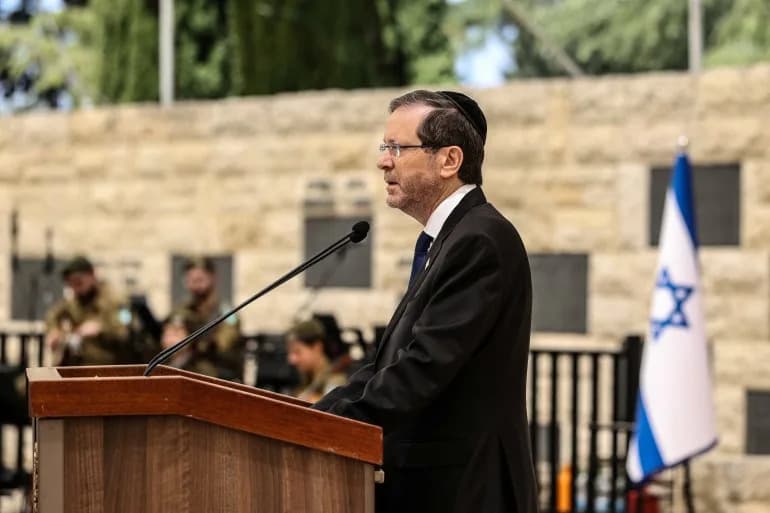
Israel’s President Isaac Herzog has called out the ‘brutalisation’ of Israeli society over the weekend [Ilia Yefimovich/Reuters via pool]
After more than two years of sustained conflict — from Israel’s campaign in Gaza and the Hamas-led assault on southern villages on October 7, 2023, to repeated strikes and confrontations involving Iran, Lebanon, Syria and other neighbours — analysts, observers and several Israeli studies conclude the country has been reshaped by collective trauma.
Rising Need for Mental-Health Support
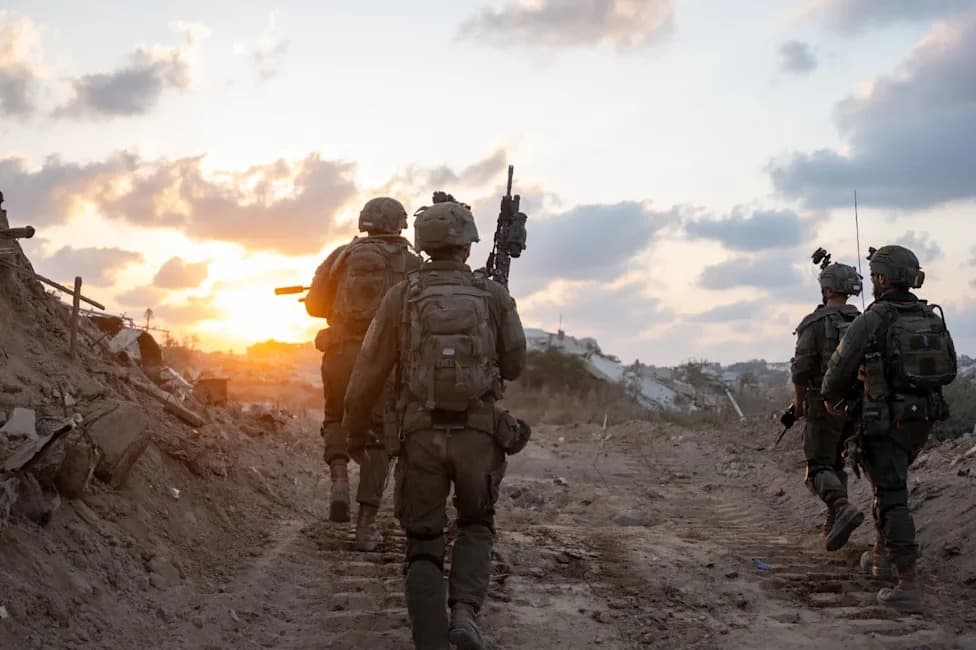
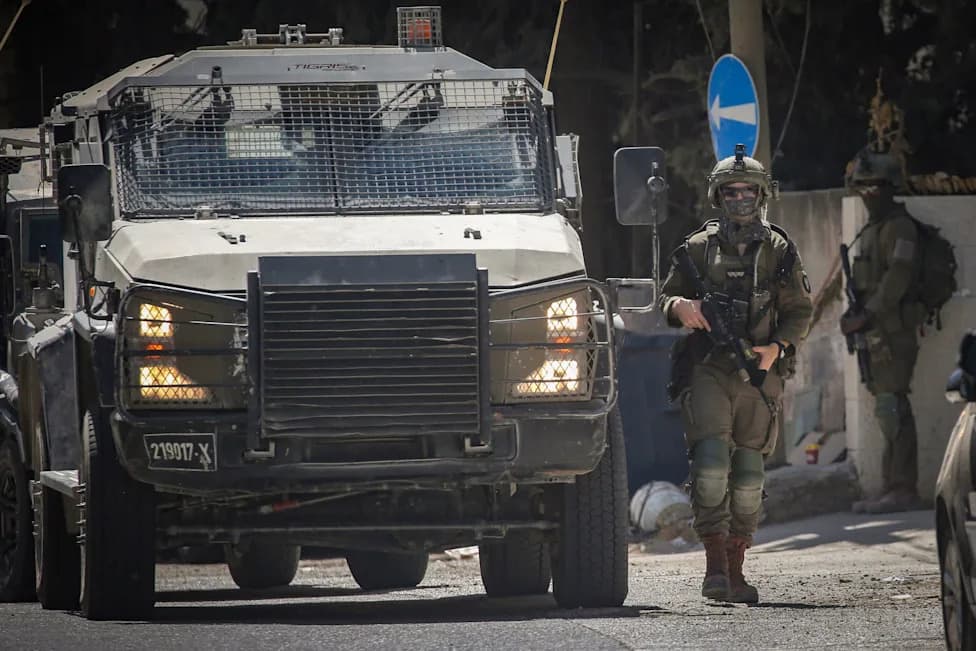
A survey by Maccabi Healthcare Services found roughly one-third of Israelis say they need professional mental-health support. The problem is especially acute among conscripts and reservists: in January, Israel’s Defence Ministry reported an almost 40% rise in diagnosed post-traumatic stress disorder (PTSD) cases among soldiers since September 2023 and projected a 180% increase by 2028.
Israeli media have reported that the government has not published the number of soldiers discharged for mental-health reasons over the same period, despite a legal obligation to do so.
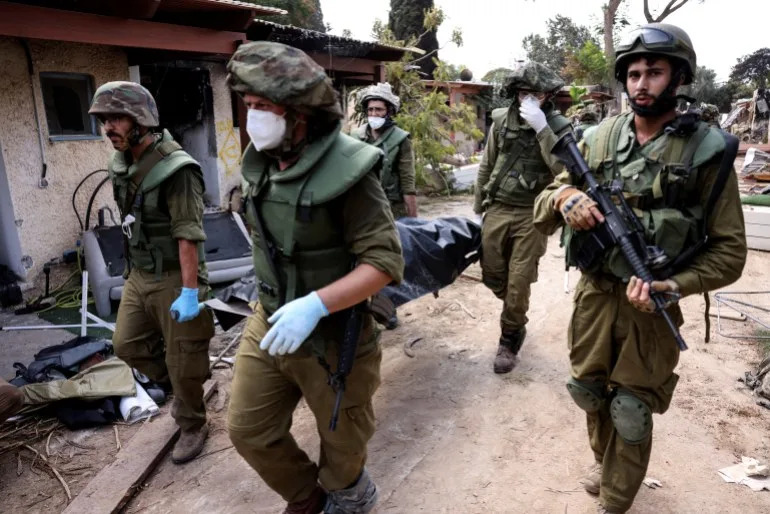
Israeli soldiers carry a dead body as they collect bodies following attacks from Gaza at Kibbutz Kfar Aza, in southern Israel [Ronen Zvulun/Reuters]
Emergency Services and Suicides
Earlier this month Magen David Adom, the national paramedic service, launched a dedicated mental-health emergency line after recording a 45% spike in related calls. The organisation said most calls were tied to the sustained pressure of multiple concurrent conflicts.
Suicide rates — a stark indicator of population-level distress — have risen across society and particularly within the military. The Jerusalem Post reported in February that 78% of military suicides in 2024 were linked to combat operations in Gaza, the West Bank and Lebanon.
Societal Effects: Violence, Polarisation and Loss of Trust
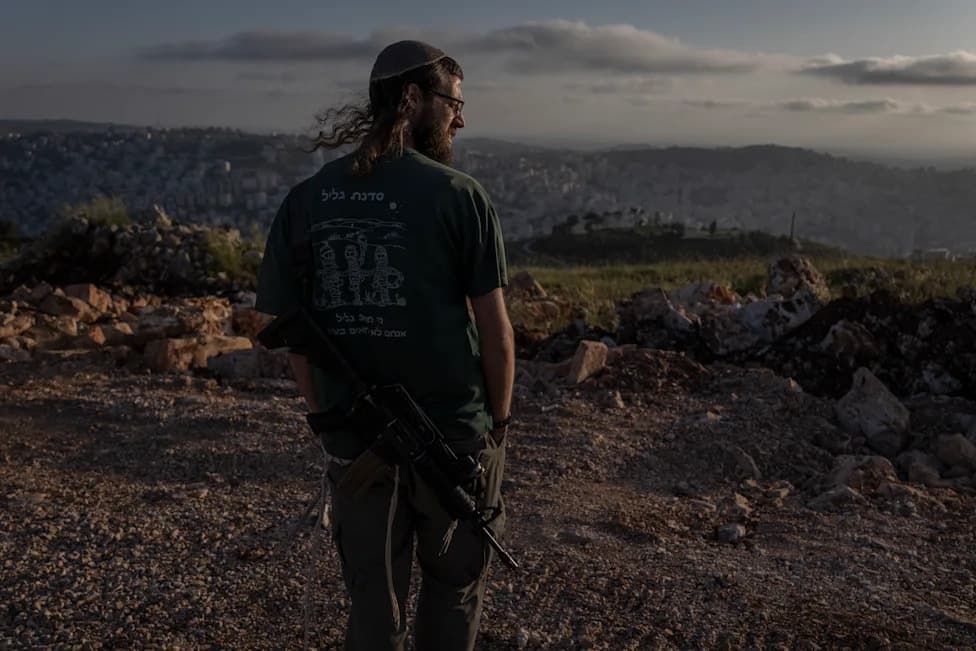
Incidents of domestic violence and diagnoses of depression and severe stress have also increased since October 2023. President Isaac Herzog, speaking in late May, warned of a ‘‘process of brutalisation’’ creeping into the margins of Israeli society and highlighted rising violence, including assaults by settlers against Palestinians in the occupied West Bank and attacks targeting Christian communities.
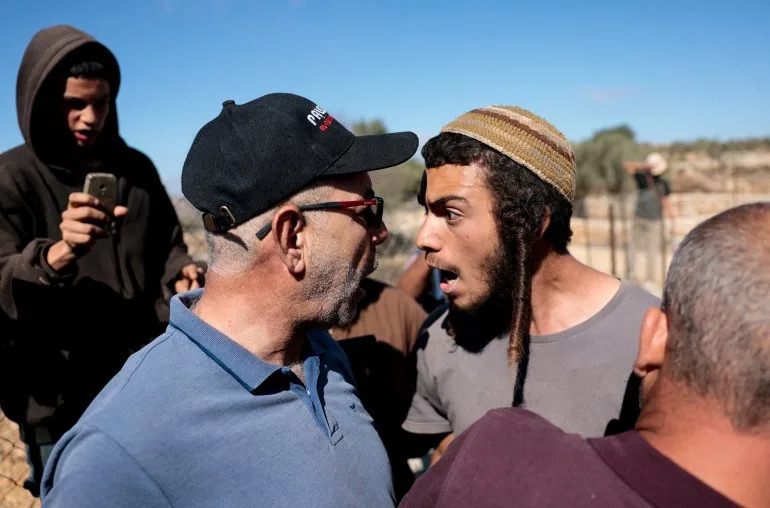
An Israeli settler shouts at a Palestinian farmer, during olive harvesting in Silwad, near Ramallah, in the Israeli-occupied West Bank, on October 29, 2025 [Mohammed Torokman/Reuters]
"I wish I could speak today only about unity. But to my great sorrow, we are living through days in which violence is not the only thing rearing its head... It is a slow and disturbing process, one that threatens to enter the mainstream of Israeli society, and we will not allow it." — President Isaac Herzog
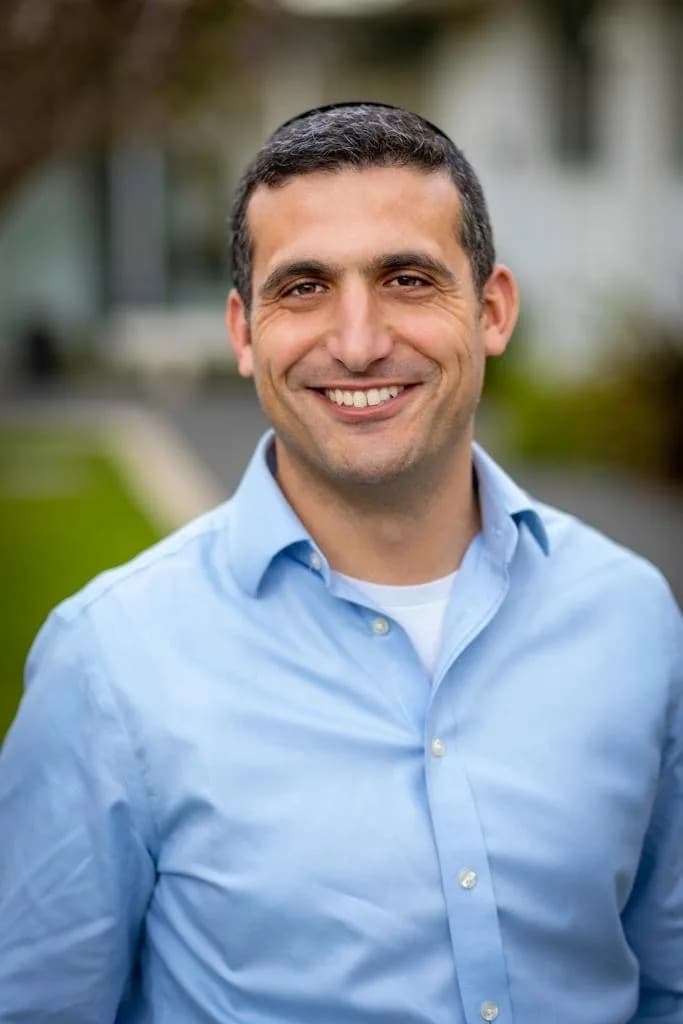
Tuly Flint, an Israeli mental-health practitioner and combat veteran, described October 7 as a turning point: "It was like a switch, and the trauma it caused is widespread and ongoing." He said many people’s sense of security was shattered, producing institutional betrayal and moral injury among those who expected protection from the state. Flint warned that for some this has fuelled a shift toward right-wing politics and harsher responses to perceived threats.
A poll by the N12 news site of first-time Jewish Israeli voters (ages 18–21) found 46% believed October 7 resulted from a "betrayal from within," and that this cohort is unusually right-wing and religious compared with previous generations.
Scholarly Perspectives
Some scholars caution that violence and trauma are not new to Israel. The noted sociologist Yehouda Shenhav-Shahrabani suggested that October 7 provided a new focal point for longstanding currents: "People create beginnings to erase the trauma of the past. Giving trauma a start date helps explain it." He argued that more extreme tendencies within Israeli politics have become more visible since then.
Professor Zahava Solomon of Tel Aviv University, who has studied collective trauma for four decades, warned the effects are uncertain: trauma can harden a society into aggression or push it toward negotiation depending on how it is processed. She noted that the Holocaust’s legacy has instilled a persistent sense of victimhood in Israeli society, while Palestinians carry their own historic and contemporary traumas — overlapping narratives that carry "dire consequences" for reconciliation.
Frontline clinicians stress that full eradication of trauma is unlikely. As Flint put it: "There’s no cure. There’s just recovery. Once people have crossed that threshold, that’s it." Recovery will be long, uneven and socially consequential.
Help us improve.