Nearly three years after Oct. 7, 2023, Israel’s philanthropic surge has shifted from emergency relief to sustained funding for long-term rehabilitation, JGive CEO Ori Ben-Shlomo says. Donations processed by JGive rose from about NIS 160 million before Oct. 7 to roughly NIS 330 million immediately after, finishing last year near NIS 400 million. The sector now emphasizes rehabilitation—wounded soldiers, mental-health care and civilian recovery—while donor behavior trends toward direct giving, greater transparency, and wide participation by young and small-scale donors.
From Emergency Surge to Sustained Recovery: JGive Says Israeli Giving Climbed From NIS 160M to Nearly NIS 400M
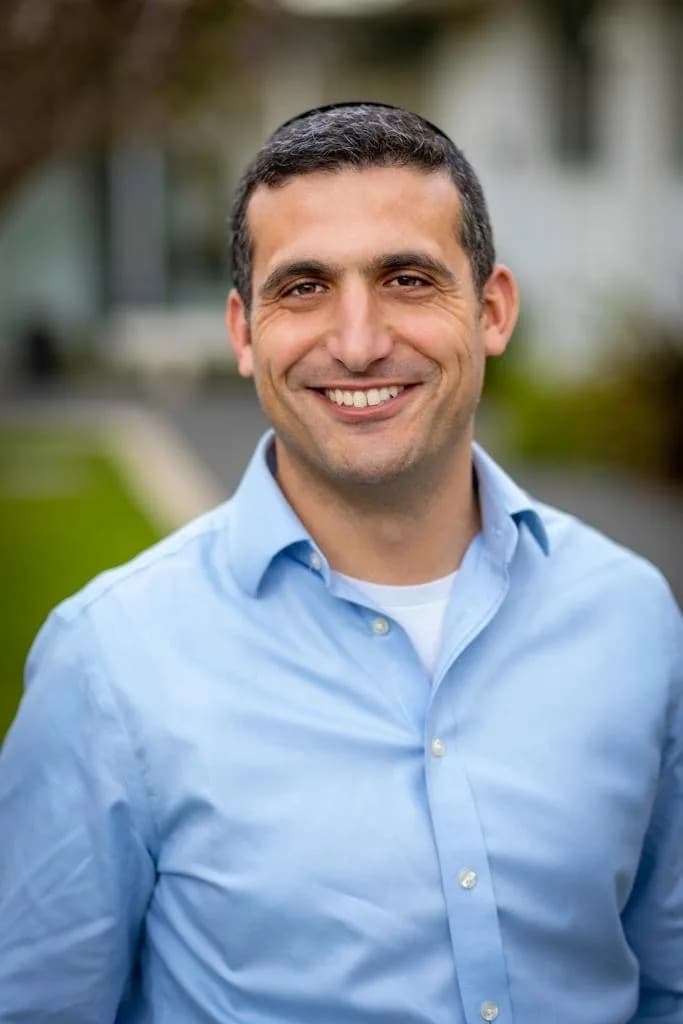
JGive founder and CEO Ori Ben Shlomo. (photo credit: JGIVE/COURTESY)
Nearly three years after the Hamas-led October 7, 2023 attack, Israel’s philanthropic landscape has moved beyond an initial emergency spike to a more sustained pattern of giving focused on long-term recovery, JGive CEO Ori Ben-Shlomo says. Donations processed through the JGive platform rose from about NIS 160 million in the year before Oct. 7 to roughly NIS 330 million immediately after—and the platform finished last year close to NIS 400 million, with transactional volume continuing to grow into this year.
From Immediate Relief To Rehabilitation
In the immediate aftermath of Oct. 7, the country faced mass mobilization: reservists were called up, many civilians were evacuated, and nonprofits scrambled to meet urgent needs. Digital fundraising platforms quickly became central to relief efforts as Israelis and Jews abroad mobilized to provide food, shelter, equipment and direct support to affected families and soldiers.

A charity donation box is seen in this illustrative photo taken March 22, 2023 (credit: MARC ISRAEL SELLEM/THE JERUSALEM POST)
Ben-Shlomo said JGive shifted into emergency mode to help charities raise funds rapidly and to channel offers of support from around the world into a national emergency fund. "We were distributing money every evening," he recalled, describing a rapid-response approach intended to get resources to many organizations addressing multiple urgent needs.
Numbers That Tell A Different Story
Although much of the wartime flow of funds originated abroad—especially from the United States—Ben-Shlomo emphasized that most of the money processed through JGive still comes from Israeli donors. He also noted an unexpected and important fact: the surge in giving was driven not primarily by a few large donors but by huge numbers of individual contributors. In one recent holiday month, JGive recorded almost 90,000 donations totaling about NIS 60 million.
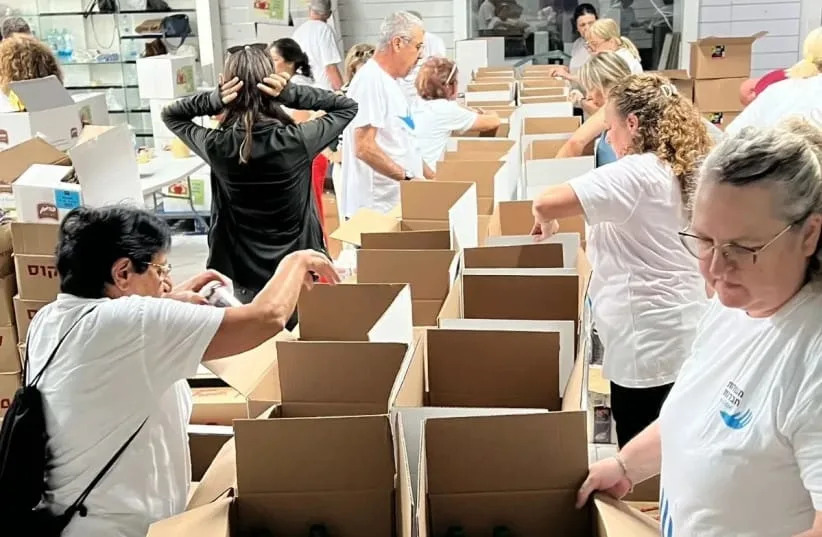
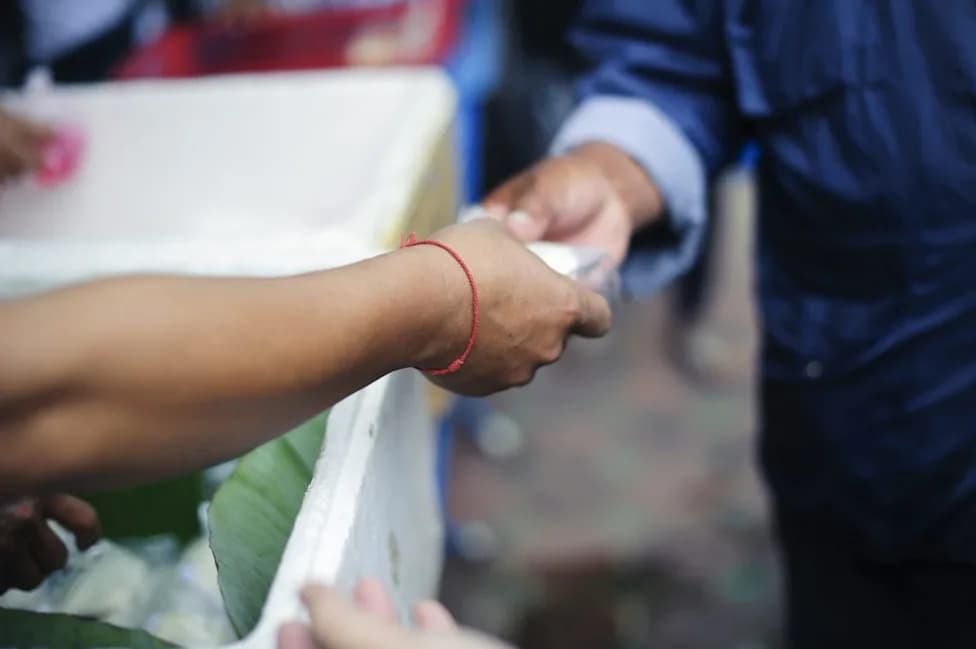
Food basket distribution: Snir Association for Equal Opportunity. (credit: FORTE)
How Donor Behavior Is Changing
The crisis accelerated longer-term changes in philanthropy. Donors increasingly prefer direct giving—choosing specific organizations or projects, often via digital tools—rather than routing contributions through traditional intermediary institutions. At the same time, expectations for transparency and measurable impact have risen, especially among younger donors who approach giving with the same scrutiny they apply to investments.
"In the year before October 7, 2023, around NIS 160 million passed through our platform. When October 7 came, that rose to something like NIS 330 million in donations... We are talking about hundreds of thousands of donors a year," Ben-Shlomo said, highlighting both the scale and the democratization of giving.
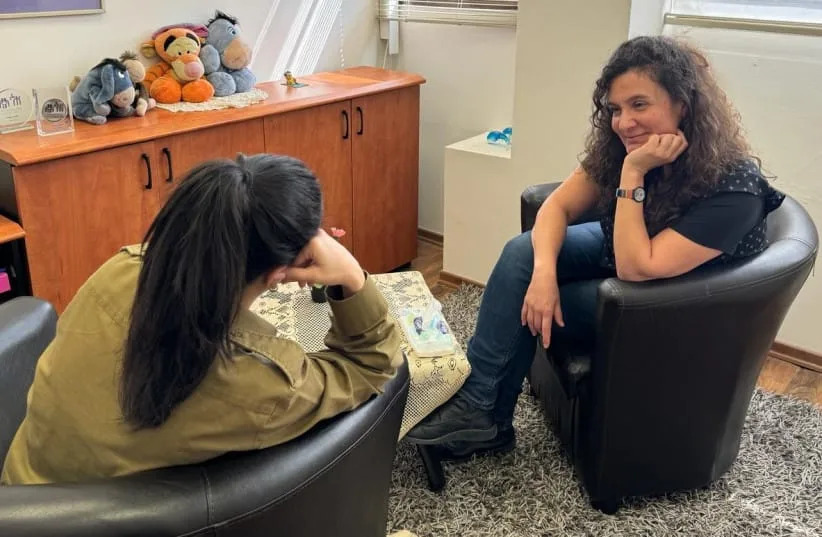
Illustrative: Broward helped co-develop a strategic framework to protect young Israeli women serving. (credit: Eran Zimrin)
The Rise Of Rehabilitation And New Actors
As the acute emergency phase waned, ordinary causes such as culture, education and health began to recover, while a new rehabilitation sector emerged to address the medium- and long-term consequences of the attack and subsequent war. Rehabilitation efforts include care for wounded soldiers, expanded mental-health services, civilian recovery programs, and long-term support for affected communities and families.
Notably, professionals who previously had little nonprofit involvement—doctors, psychologists and other specialists—have founded organizations to apply their expertise to newly identified needs. Ben-Shlomo called this influx of professional capacity "refreshing," emphasizing how it strengthens the field.
A Complex Diaspora Relationship
Ben-Shlomo described ties between Israel and Diaspora Jewish communities as both strengthened and complicated. Rising antisemitism and security concerns abroad have increased emotional support for Israel among many Jews overseas, yet those communities are also facing growing local security and communal-care costs, which complicates their ability to send aid abroad.
What Comes Next
The central challenge, Ben-Shlomo said, is turning wartime solidarity into routine civic practice. He argued that the long-term goal should be to embed social responsibility into everyday life so that mutual support becomes a permanent feature of Israeli society. "Our mission over the coming decades is to make Israel a social superpower as well," he said.
Key takeaway: The post-Oct. 7 philanthropic surge has evolved from short-term emergency relief into a growing, diversified commitment to rehabilitation—driven largely by many small donors, younger supporters, and new professional actors—while donor expectations for direct giving and transparency continue to rise.
Help us improve.