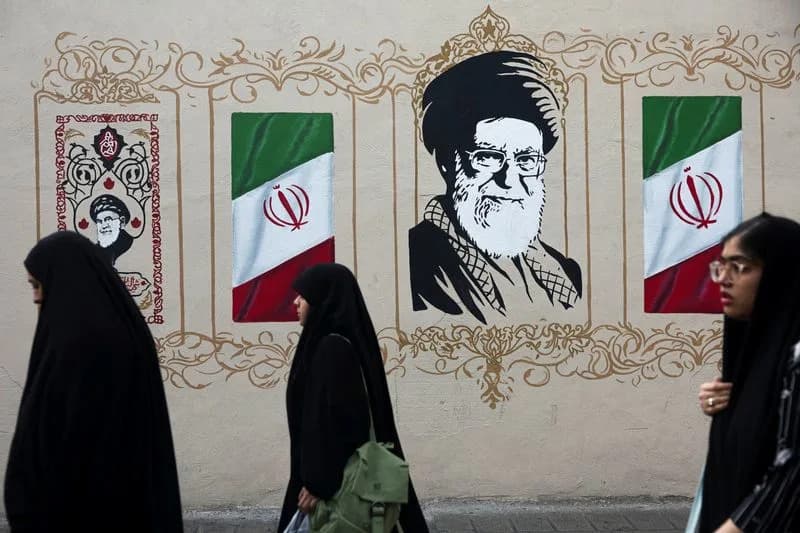
The Trump administration announced additional sanctions on Iran’s newly created Persian Gulf Strait Authority, a move aimed at undermining Tehran’s effort to regulate shipping through the strategically vital Strait of Hormuz.
The measures were disclosed late Wednesday after U.S. forces struck an Iranian military facility following the downing of Iranian attack drones, according to U.S. officials who spoke on the condition of anonymity. The sanctions target the agency and any persons or entities that cooperate with it.
What the Agency Proposes
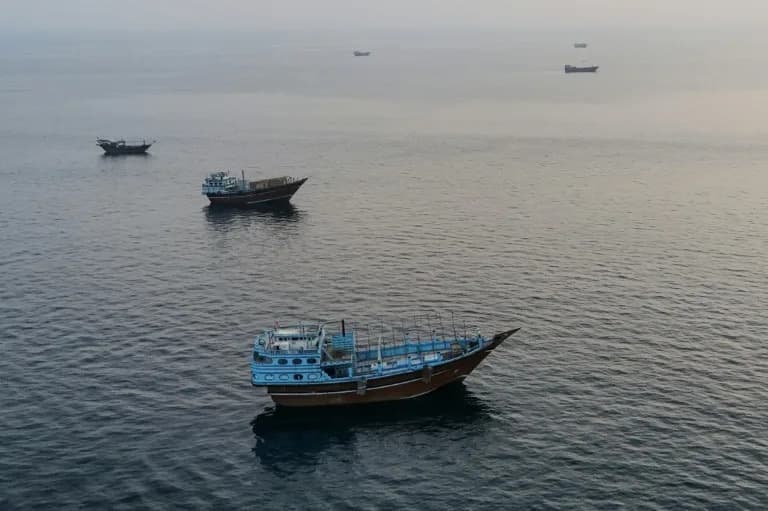
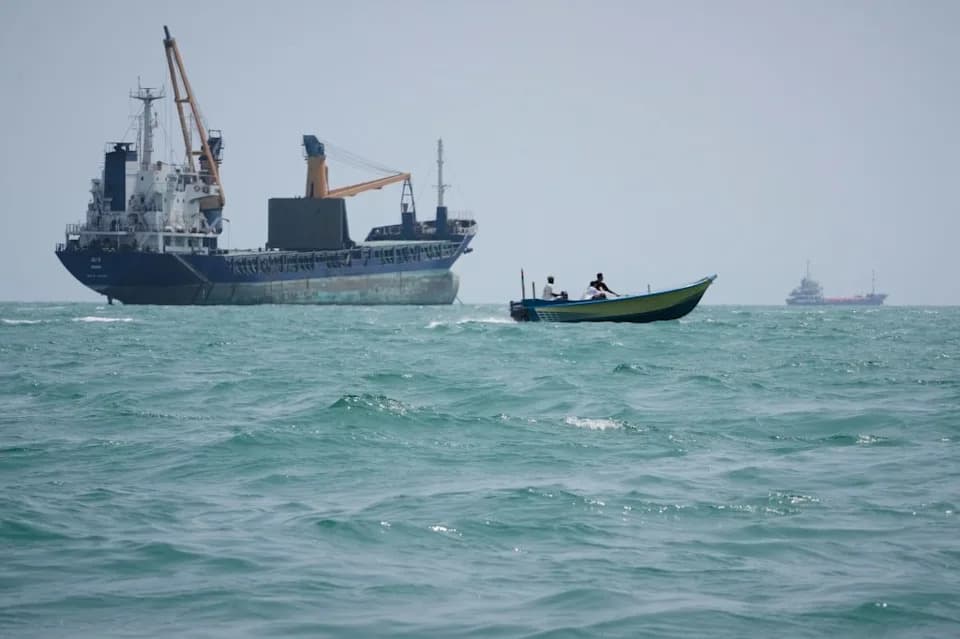
The Persian Gulf Strait Authority, announced earlier this month, says it will approve vessel transit and impose tolls — reportedly as high as $2 million per ship. Iran’s Islamic Revolutionary Guard Corps (IRGC) has defended the move, saying the only safe route is the corridor it has designated and warning that ships deviating from that path could face attacks.
Economic and Strategic Impact
The Strait of Hormuz normally carries about one-fifth of the world’s oil and natural gas supplies. Iran’s effective closure of the waterway has contributed to sharp increases in global energy prices and supply-chain disruptions. U.S. officials say reopening the strait could take weeks or months even after hostilities ease.
In response to Iran’s actions, the United States has maintained a blockade of Iranian ports for more than a month. President Trump said the blockade "will remain in full force and effect until an agreement is reached, certified, and signed."
“The Iranian military’s latest attempt to extort global maritime trade is proof that Economic Fury has left the regime desperate for cash,” Treasury Secretary Scott Bessent said in a statement.
Diplomacy and the Risk of Escalation
The sanctions are part of a broader U.S. strategy that combines economic pressure with military action to push Iran toward a deal to end the war and reopen the waterway. Washington and Tehran are engaged in intense diplomacy, but recent strikes and continued military activity complicate negotiations.
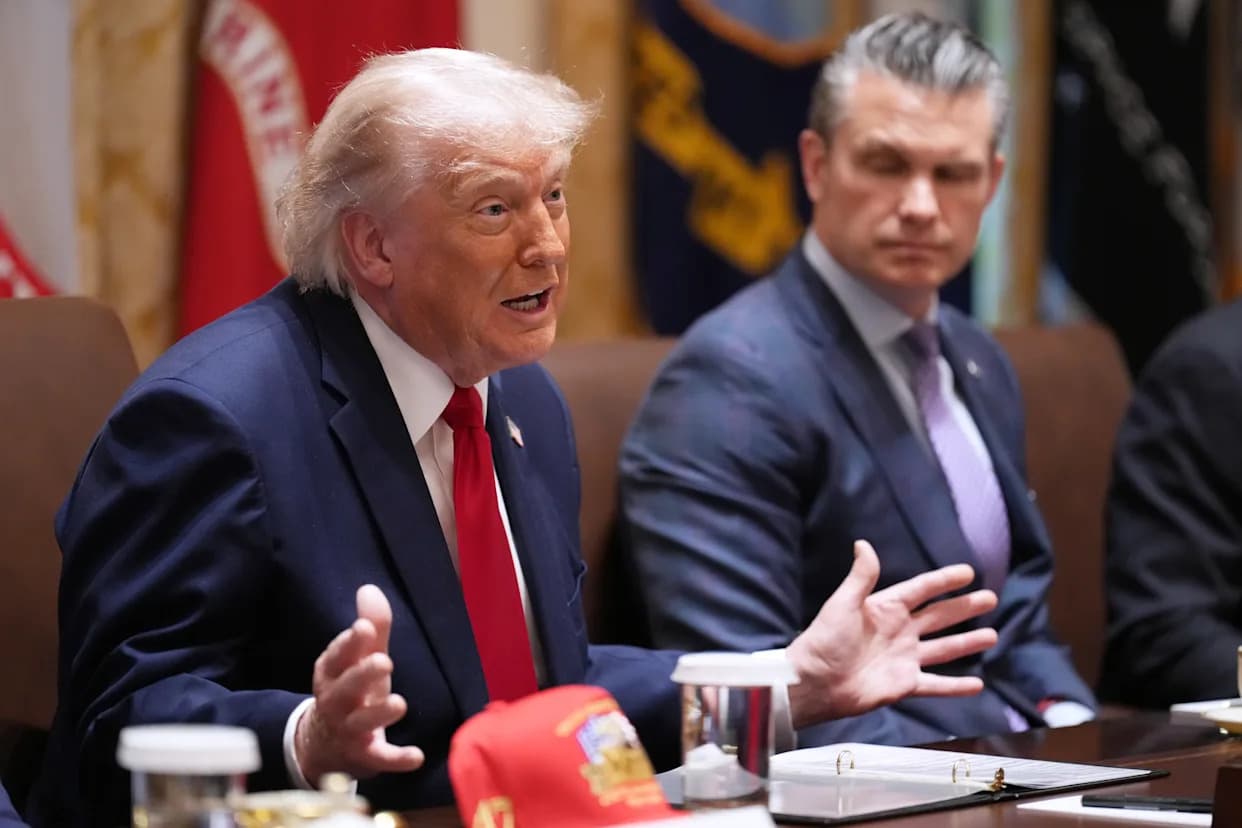
At a Cabinet meeting, President Trump said Iran was "negotiating on fumes" and suggested talks were close to a breakthrough, while warning that the U.S. could resume stronger military action if a satisfactory deal is not reached.
The situation remains fluid: sanctions and military strikes increase pressure on Tehran, but they also risk further destabilizing regional shipping and global energy markets as negotiators work toward a diplomatic resolution.