Eid al‑Adha in Iran this year coincides with a sharp rise in food prices driven by a port blockade, sanctions and domestic economic problems. Tehran has authorised the sale of sacrificial meat at 7.4 million rials per kilogramme (about $4.30) to ease pressure on households, though market rates can be more than three times higher. Official data show year‑on‑year inflation above 73%, with staples such as rice and chicken up dramatically and red‑meat demand down roughly 50%.
Iran Sells Subsidised Qurbani Meat For Eid al‑Adha as Prices Soar Under Blockade
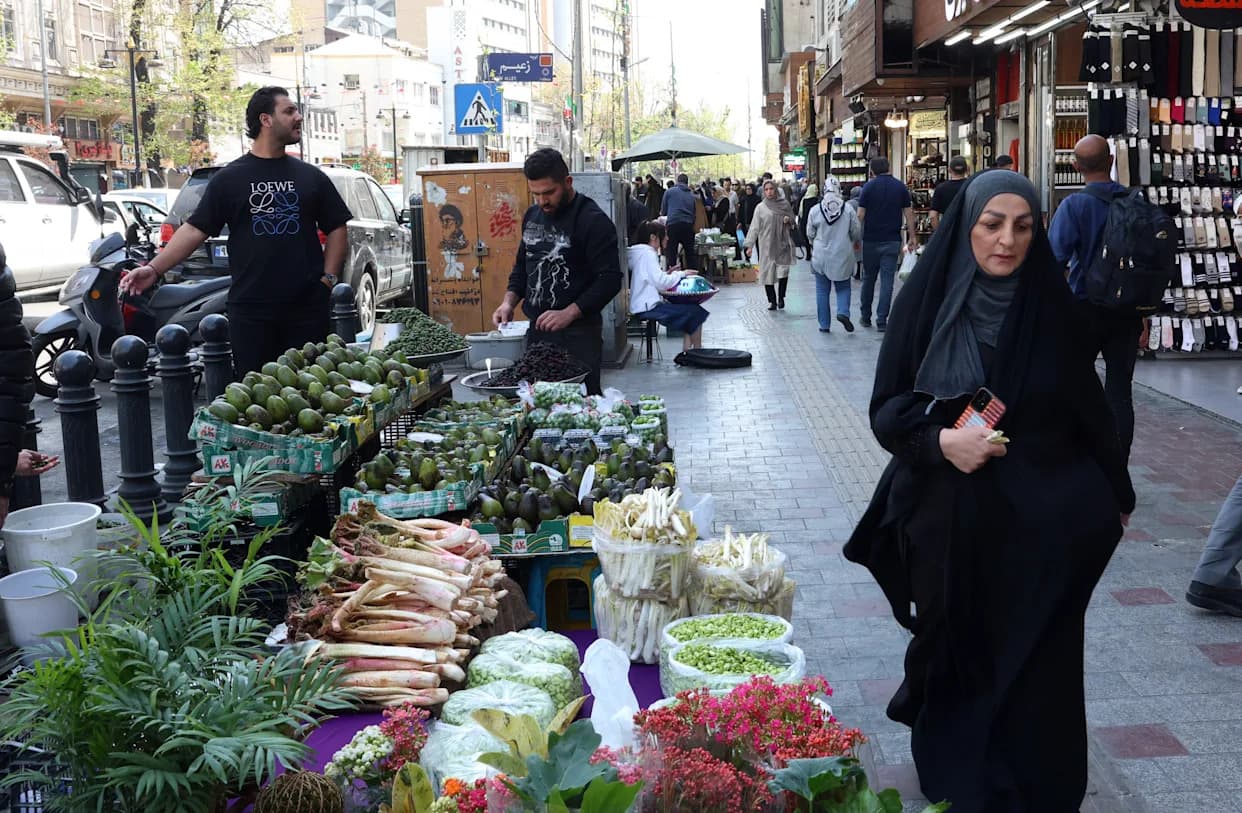
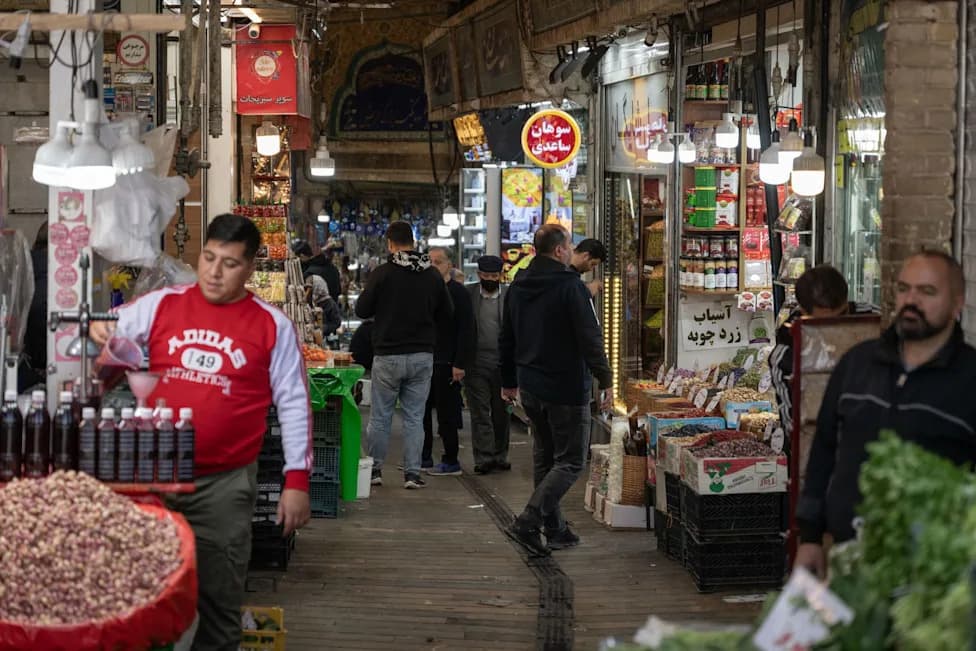
Iranians shop at a street market in northern Tehran, Iran, April 16, 2026 [File: Abedin Taherkenareh/EPA]
Eid al‑Adha arrives in Iran at a fraught moment: soaring food prices driven by a port blockade, US sanctions and domestic economic strain are reshaping how many families celebrate the sacrificial ritual of qurbani.
To ease pressure on households and to curb runaway inflation, Tehran authorities authorised the sale of sacrificial (qurbani) meat through designated municipal outlets at 7.4 million rials per kilogramme (roughly $4.30). That subsidised rate is reportedly less than one‑third of comparable cuts on the open market, where prices vary by quality and location.
Household Impact and Market Response
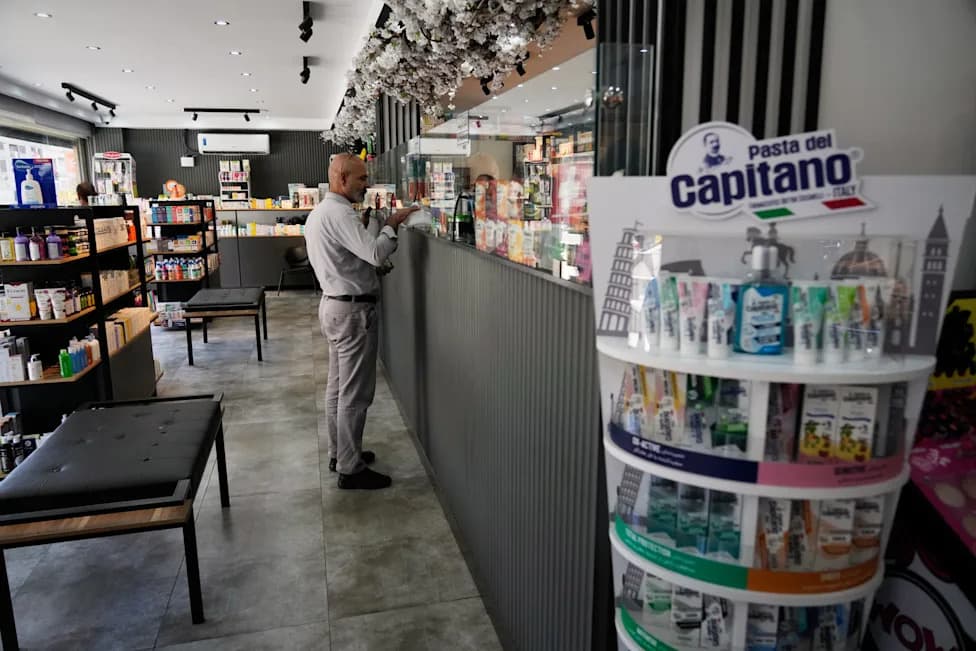
For many Iranians the gap between wages and food costs is widening: the official minimum wage remains below $100 per month, and staples have jumped dramatically. A middle‑aged woman in Tehran told reporters that red meat has become a luxury in her neighbourhood; families increasingly substitute chicken, eggs and legumes, even though those prices have also risen sharply.
Industry sources say demand for red meat has fallen. Masoud Rasouli, representing the meat‑packing sector, told state‑linked media that red‑meat consumption is down by roughly 50% year‑on‑year. He added that imports have helped blunt the blockade’s effects and that the current livestock population can meet market needs for now.
Inflation and Price Trends
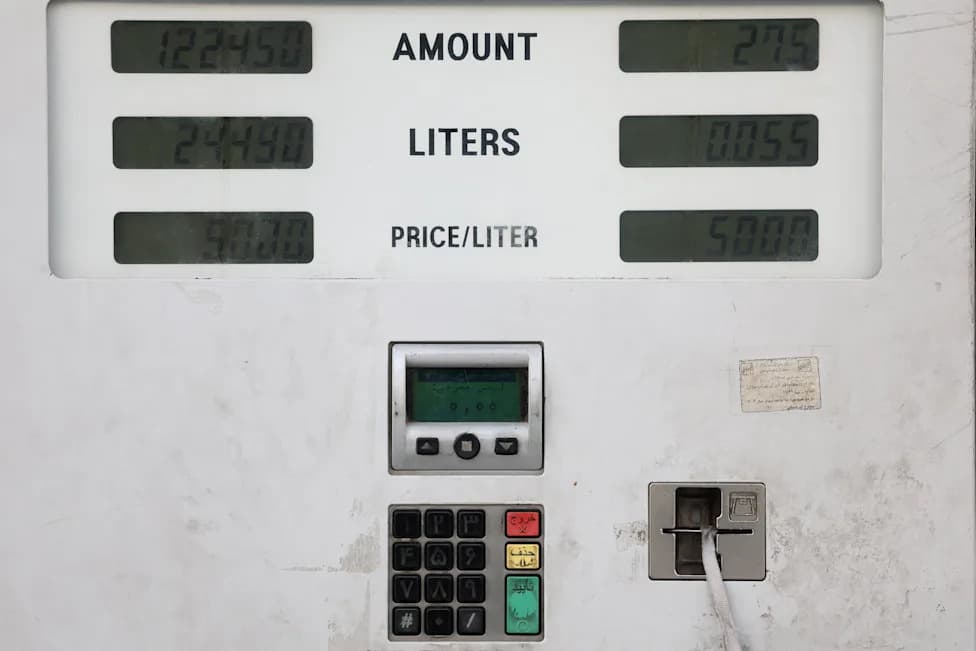
Official statistics underscore the crisis: the Statistical Center of Iran reported year‑on‑year inflation of more than 73% in the Persian calendar month that ended in late April. In that period, rice rose by about 173%, chicken by 191%, and liquid cooking oil increased more than fourfold. State‑linked labour reporting noted that the government’s cheapest announced price for one kilogramme of sacrificial meat equals the price of a 50kg live sheep in Iran a decade ago.
“Our sales were a bit higher today because of the Eid, but even our most frequent customers are far fewer. Most conversations with customers are about the prices,” a young butcher in south‑west Tehran told Al Jazeera, reflecting widespread demand pressure despite the festival.
Authorities have repeatedly deployed price controls and subsidy measures to combat a decade of inflation, but these steps have struggled to restore household purchasing power amid mismanagement, sanctions and the added strains of conflict and blockade.
Political and Diplomatic Context
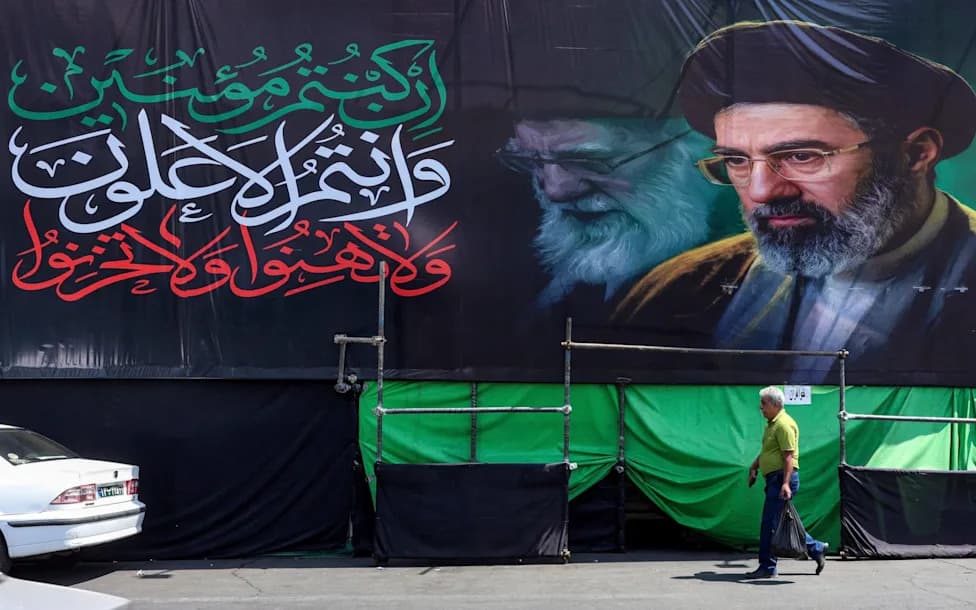
The Eid observances this year also carried political messages. A large state‑organised Eid prayer at the University of Tehran was led by ultraconservative Ayatollah Ahmad Khatami, who criticised what he described as foreign pressure and warned against "submitting to humiliation." President Masoud Pezeshkian used the occasion to frame Eid as a symbol of dignity and resistance, while Foreign Minister Abbas Araghchi called for greater Islamic solidarity in the face of regional challenges.
Separately, Tehran and Washington have been engaged in mediated talks aimed at de‑escalation, but officials say exchanges of fire and firm demands on both sides have so far prevented a breakthrough.
Bottom line: The subsidised sale of qurbani meat offers short‑term relief for some families during Eid al‑Adha, but steep inflation, falling real incomes and broader geopolitical pressures mean many Iranians face continuing food insecurity and economic hardship.
Help us improve.