
Canada will impose a temporary 90-day entry ban on residents of the Democratic Republic of the Congo, Uganda and South Sudan to reduce the risk of Ebola importation and spread. Asymptomatic Canadian citizens, permanent residents and recent visitors from affected areas must quarantine for 21 days starting May 30. The WHO has raised the risk of the Bundibugyo strain to "very high" and declared outbreaks in the DRC and Uganda an international emergency. A source says The Bahamas plans a similar entry ban for at least 30 days.
Canada Imposes 90-Day Ebola Travel Ban As Bahamas Plans Similar Move
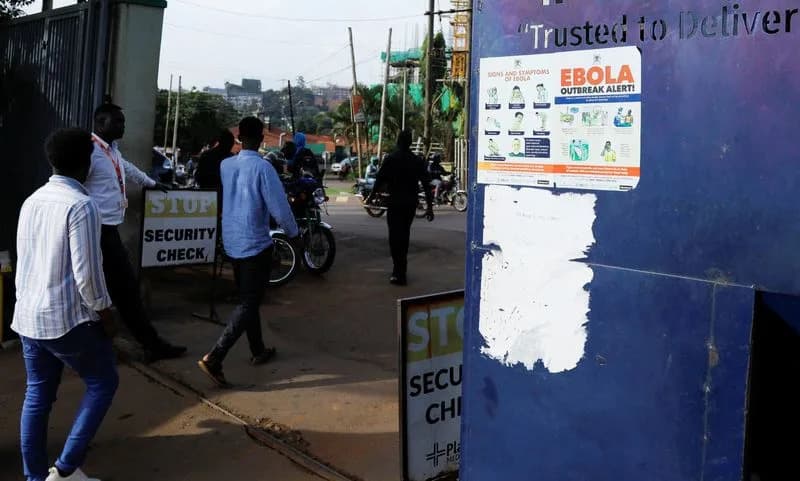
People walk past an advocacy poster against the spread of Ebola virus, as aid agencies intensify efforts to contain a new Ebola outbreak involving the Bundibugyo Virus at the Platinum Medical Centre in Kampala, Uganda May 26, 2026. REUTERS/Abubaker Lubowa
By Jasper Ward
WASHINGTON, May 26 (Reuters) - Canada announced on Tuesday that it will temporarily bar residents of three African countries as part of measures to reduce the risk of Ebola entering and spreading within the country. A source told Reuters that The Bahamas is preparing to take comparable action.
The Canadian government said residents of the Democratic Republic of the Congo (DRC), Uganda and South Sudan will be prohibited from entering Canada for 90 days starting Wednesday. In addition, Canada's public health agency said that Canadian citizens, permanent residents and other foreign nationals who were in the affected areas recently and are asymptomatic will be required to quarantine for 21 days beginning May 30.
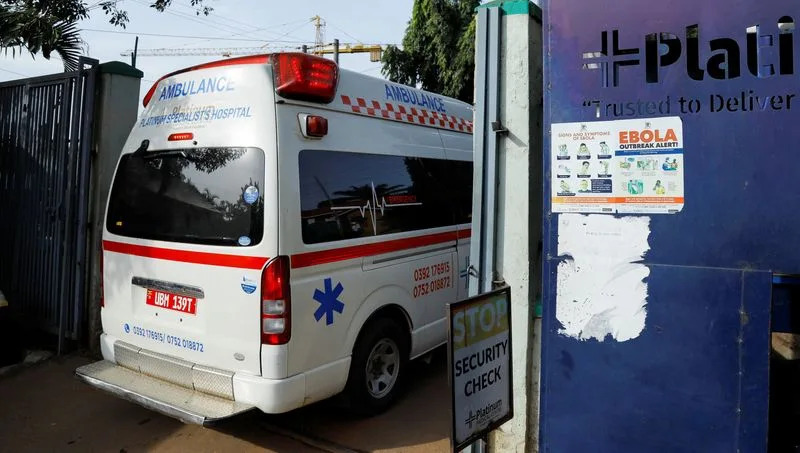
An ambulance drives past an advocacy poster against the spread of the Ebola virus, as aid agencies intensify efforts to contain a new Ebola outbreak involving the Bundibugyo Virus at the Platinum Medical Centre in Kampala, Uganda, May 26, 2026. REUTERS/Abubaker Lubowa
International Context
The World Health Organization last Friday raised to "very high" the risk that the Bundibugyo strain of Ebola could escalate into a national outbreak in the DRC and declared the outbreaks there and in Uganda a public health emergency of international concern. Last week the United States barred non-citizens who had recently traveled to the DRC, Uganda or South Sudan from entering the country.
Caribbean Response
A source familiar with the discussions told Reuters that The Bahamas' health ministry is expected to announce an entry ban on people who traveled to those three countries within the prior 21 days; the measure is expected to remain in effect for at least 30 days.
No cases of Ebola have been reported in the United States, Canada or The Bahamas.
(Reporting by Jasper Ward in Washington and Ismail Shakil in Ottawa; editing by Michelle Nichols)
Help us improve.





















