Spiegel and Reuters report the United States plans significant cuts to the military assets it would make available to NATO during a crisis, including halving strategic bombers and reducing fighter jets by about one third. The U.S. would also offer fewer destroyers and no submarines, while requiring Europe to provide its own reconnaissance drones. Washington will outline more details at a force generation conference in early June, heightening concerns among allies about U.S. commitment and prompting talk of reorganising responsibilities within NATO.
Spiegel: US Plans Major Cuts to Bombers, Warships and Fighter Jets Available to NATO
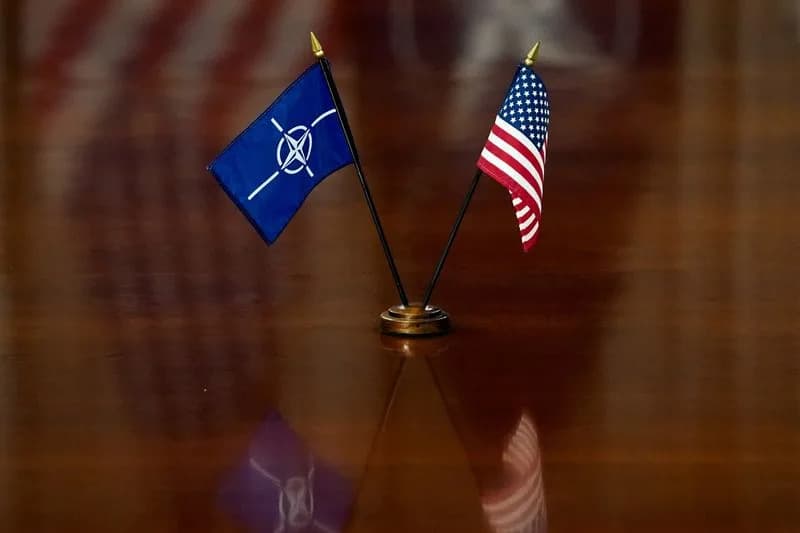
NATO and U.S. flags are set on the table as U.S. Defense Secretary Pete Hegseth and NATO Secretary General Mark Rutte meet at the Pentagon in Washington, D.C., U.S., April 24, 2025. REUTERS/Nathan Howard
The United States plans to sharply reduce the military capabilities it would make available to NATO in a crisis, German magazine Spiegel reported, deepening concerns among European allies about Washington's commitment.
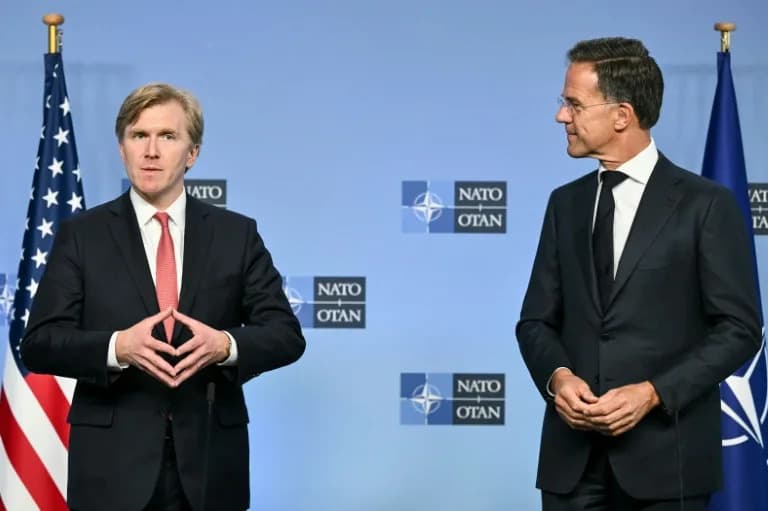
According to Spiegel and corroborating Reuters sources, an envoy for U.S. Defense Secretary Pete Hegseth briefed senior NATO officials in Brussels last week about the proposed changes. The move would shrink the pool of U.S. assets earmarked for alliance use during a contingency, affecting air, naval and unmanned capabilities.
Key Changes Reported
Fewer Strategic Bombers: The U.S. would provide roughly half the number of strategic bombers it previously made available to NATO.
Reduced Fighter Jets: The number of U.S. fighter aircraft available to the alliance is expected to fall by about one third, Spiegel cited U.S. envoy Alexander Velez-Green as saying.
Naval Cuts: The U.S. Navy would make fewer destroyers available and, according to the report, would no longer provide submarines to NATO tasking.
Drone Support Scaled Back: Europe would be expected to supply its own reconnaissance drones, while the U.S. plans to significantly scale back the armed drone models it would offer.
Context And Reactions
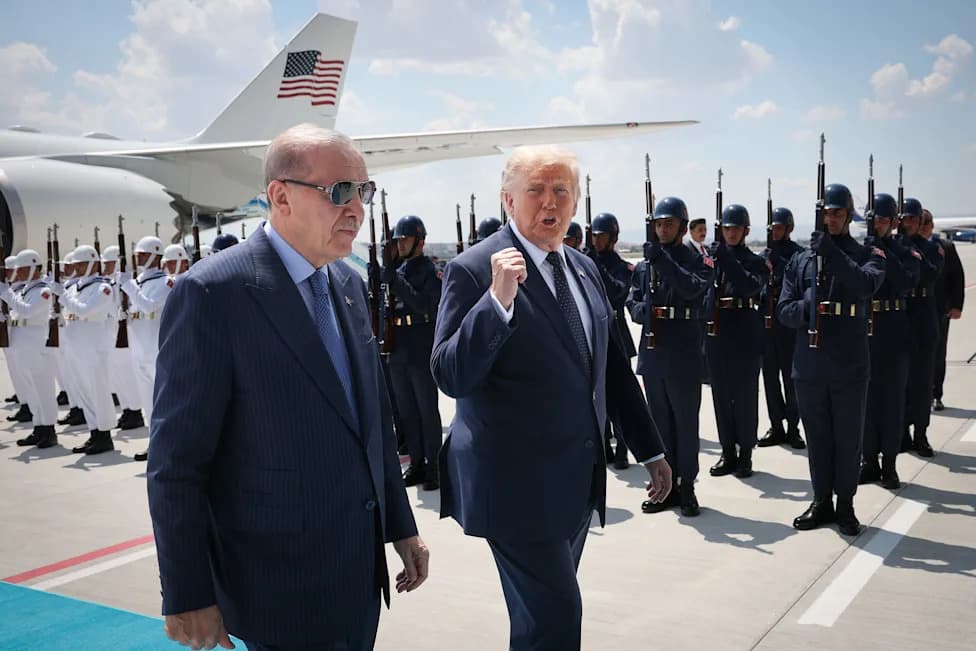
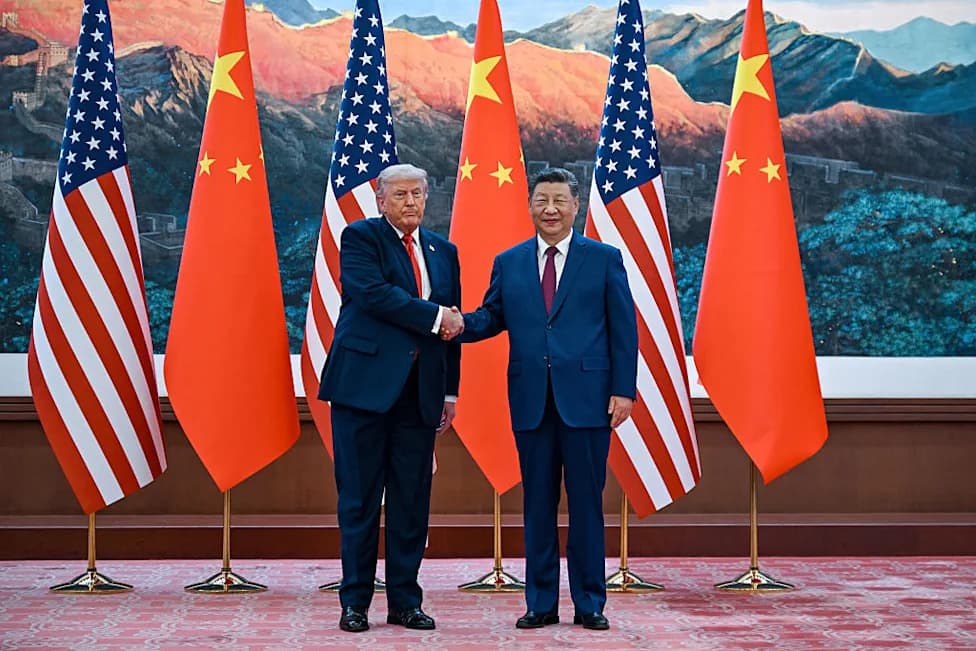
The reported reductions come amid strained transatlantic ties. President Donald Trump has repeatedly criticised European NATO members for low defence spending, announced plans to withdraw thousands of U.S. troops from Germany and publicly suggested the United States might reconsider its NATO commitments. His remarks about acquiring Greenland and disputes over the Strait of Hormuz have further increased tensions.
A NATO spokeswoman told Spiegel there has been an "over-reliance" on the United States in alliance force planning and that rising defence investment by Europe and Canada could allow responsibilities to be reorganised. The German Defence Ministry did not immediately respond to Reuters' request for comment.
Spiegel said further details would be presented by the United States at a force generation conference scheduled for early June.
What This Means: If implemented, the changes would force European members to shoulder more immediate operational responsibilities — particularly in reconnaissance and some air and naval roles — and could accelerate discussions about burden-sharing and alliance posture.
Help us improve.