Thomas Massie, recently defeated in a Trump-backed GOP primary, warned that Donald Trump has alienated key segments of his 2016-2020 coalition — a shift Massie says could cost the Republican Party in the November midterms. Massie defended his dissent on Iran policy, federal spending and the release of Jeffrey Epstein-related files and vowed to remain politically active. He described the phenomenon as "Trump disappointment syndrome" and cautioned that disenfranchised voters could depress Republican turnout this fall.
Thomas Massie Warns Trump Has Alienated Key Voters, Could Cost GOP in Midterms
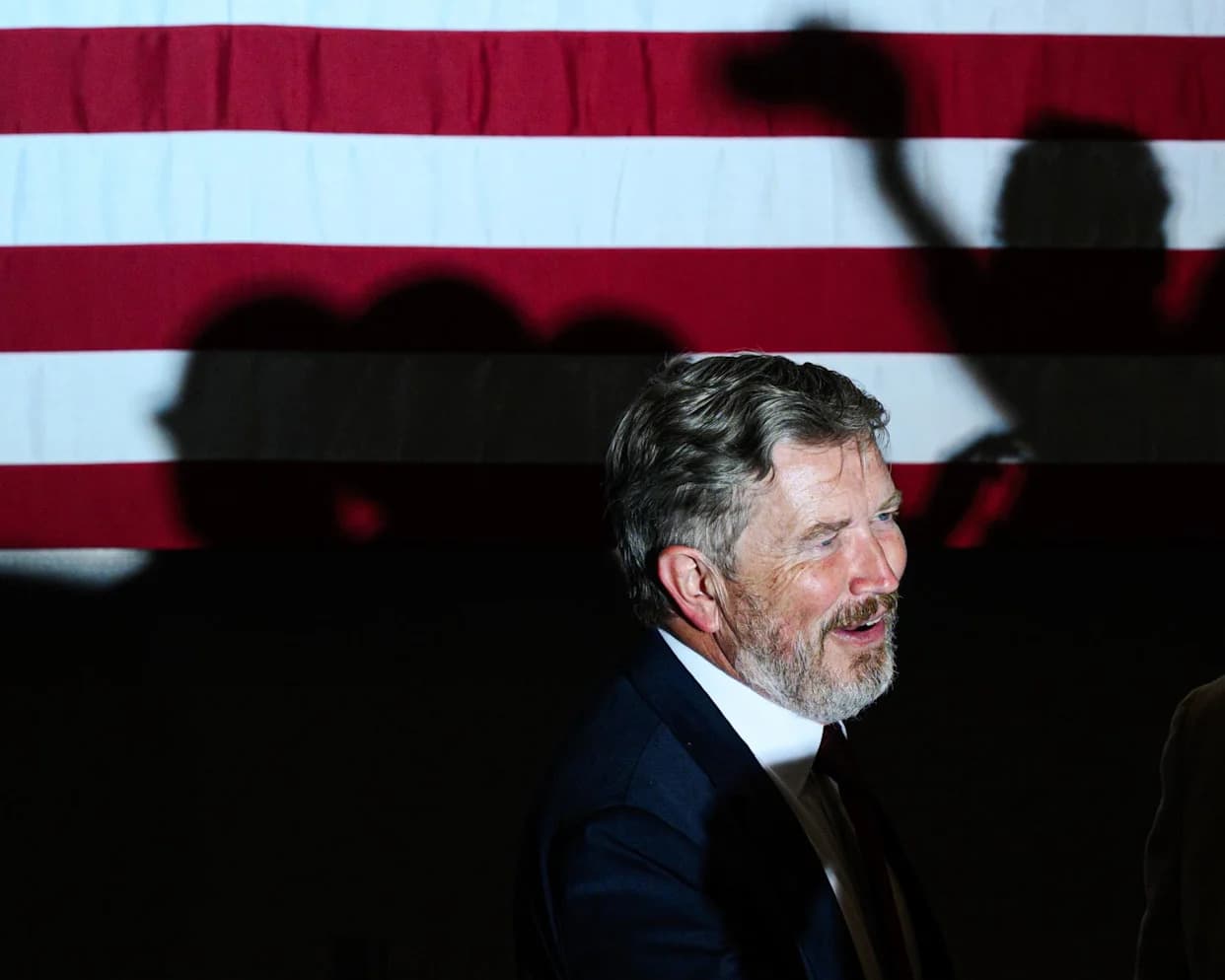
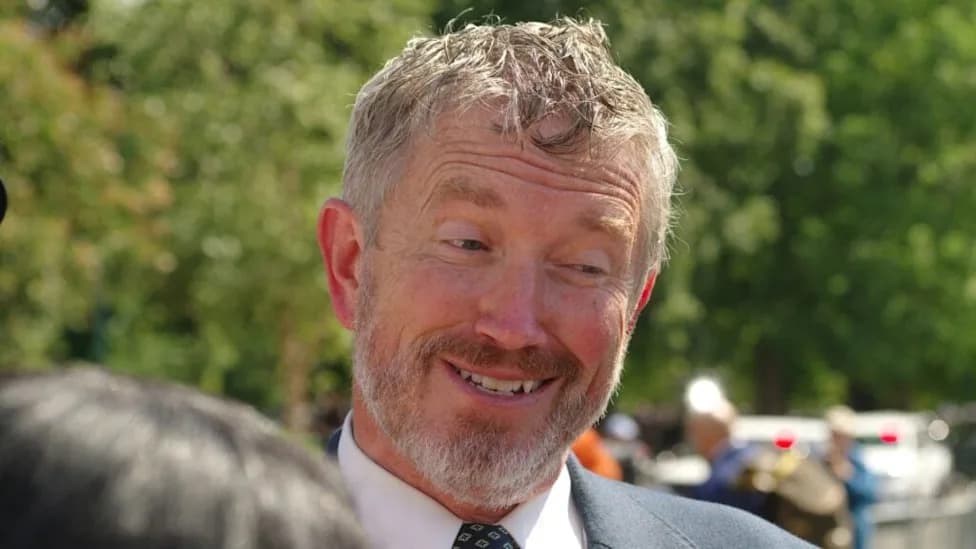
Thomas Massie speaks with supporters after his concession speech on 19 May in Hebron, Kentucky.Photograph: Jon Cherry/Getty Images(Photograph: Jon Cherry/Getty Images)
Thomas Massie, the libertarian-leaning Republican congressman from Kentucky, warned that former President Donald Trump has alienated significant portions of the coalition that helped deliver Republican victories — a development Massie says could exact a heavy toll on the party in November’s midterm elections.
Massie, who was defeated this week in his GOP primary by Ed Gallrein — a candidate recruited and backed by Trump — will remain in the House for the rest of the year. He told NBC’s Meet the Press he has no regrets about opposing the president on issues such as potential military action against Iran, federal spending and the release of files related to Jeffrey Epstein.
"Trump Disappointment Syndrome"
On national television, Massie described a growing feeling on the right he called "Trump disappointment syndrome," arguing that many voters who once formed the backbone of Trump’s winning coalition feel "disenfranchised" by recent Republican actions and priorities. He singled out three blocs he believes have been pushed away: proponents of the "Make America Healthy Again" movement, fiscal hawks urging deep budget cuts, and voters opposed to further U.S. military entanglements.
"There's a growing number of people on the right who have a form of TDS called Trump disappointment syndrome," Massie said. "What’s going to happen to the party this fall is they’ve disenfranchised a large portion of that constituency."
Epstein Files, Bipartisan Work and the Primary Fight
Massie pointed to his work with Democratic Rep. Ro Khanna on a bill to release files tied to Jeffrey Epstein as a key reason he became a target. He argued the bill was one of the few pieces of legislation in recent years that was not written by lobbyists — and that effectiveness made him a threat to entrenched interests.
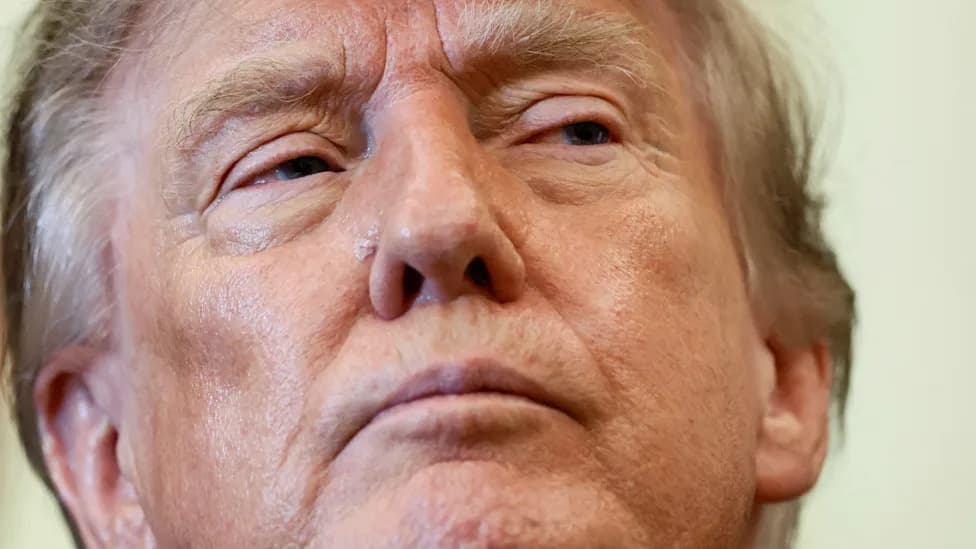
His primary defeat came in what has been described as the most expensive U.S. congressional primary in history. Trump publicly attacked Massie during the campaign, calling him a "moron" and "loser," traveling to Kentucky to campaign against him and labelling him "disloyal to the United States of America." The president swiftly celebrated Massie’s loss, declaring: "He was a bad guy. He deserves to lose."
What Comes Next
Massie vowed to remain politically active "even if it’s from the outside," saying he will continue to vote his principles and support candidates over party loyalty for the remainder of his term. He also warned of broader consequences for the GOP if alienated voters stay home or defect in November — a warning that frames his defeat not only as a personal loss but as a potential strategic misstep for the party nationwide.
Reporting note: This article summarizes Massie’s public statements and the context of his primary defeat; quotes are drawn from his Meet the Press interview and subsequent public remarks.
Help us improve.