Researchers deployed an upward-facing camera about 260 metres (853 feet) above the seafloor in Inglefield Bredning Fjord, Greenland, collecting 37 hours of video that revealed a diverse array of deep-sea life. Observations included fish, shrimp, jellyfish, narwhals and a snailfish that appeared to swim backward for at least 16 seconds. The study, published in PLOS One, highlights that Arctic glacial fjords are biologically rich but understudied and that portable camera moorings can cost-effectively monitor these remote seafloor habitats. Improved monitoring provides essential baseline data to detect change and inform conservation decisions.
Camera Lowered 260 Metres into Remote Greenland Fjord Reveals Surprising Deep-Sea Life
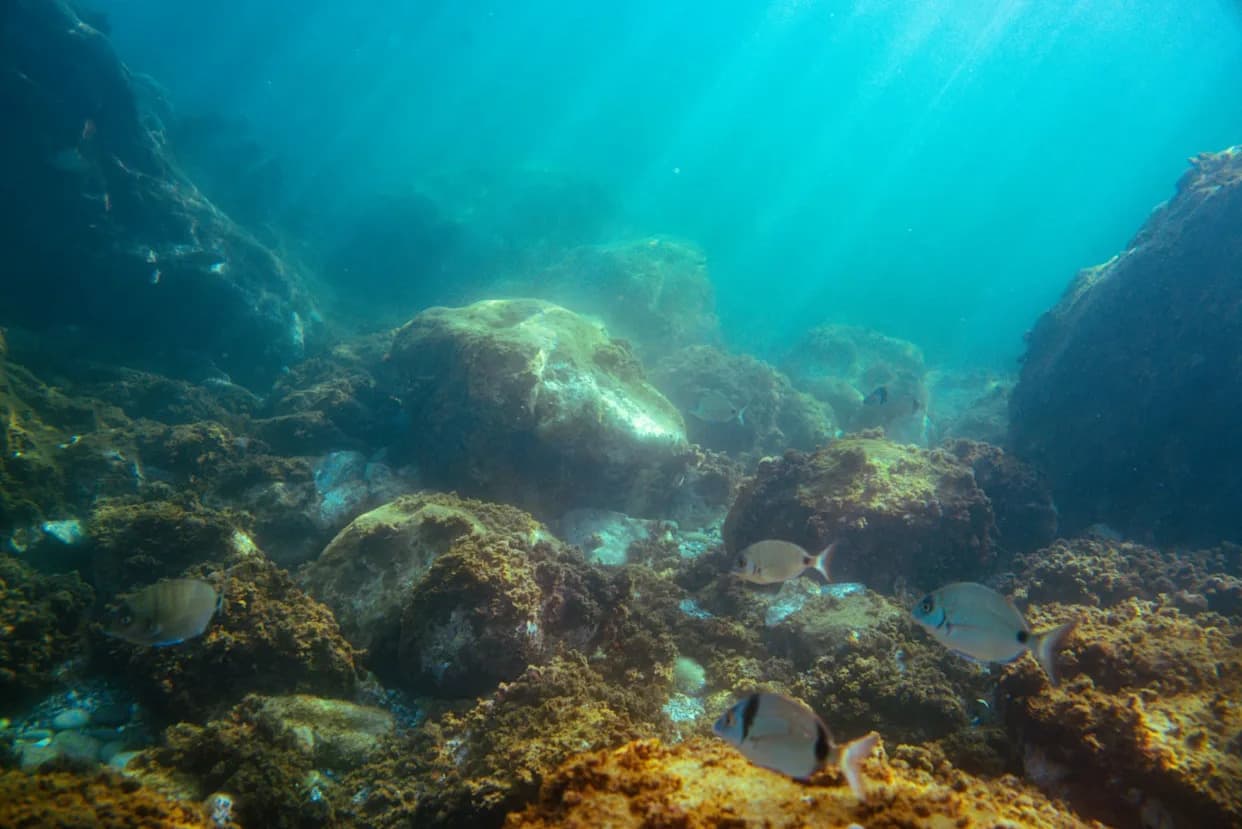
Photo Credit: iStock
Researchers who lowered a camera about 260 metres (853 feet) to the seafloor of Inglefield Bredning Fjord in northwest Greenland captured 37 hours of footage that revealed an unexpected diversity of deep-sea life — including a snailfish that appeared to swim backward.
Unusual Perspective, Rich Findings
The weeklong deployment, described in a paper published in PLOS One and reported by Discover Wildlife, used a seabed rig fitted with a video camera, red lighting and a hydrophone. Unusually, the team pointed the camera upward rather than across the bottom to reduce sediment on the lens and to increase the chances of recording animals that approach from above, such as narwhals. The upward-facing view produced long stretches of clear footage of animals moving through the water column above the seafloor.
What the Footage Showed
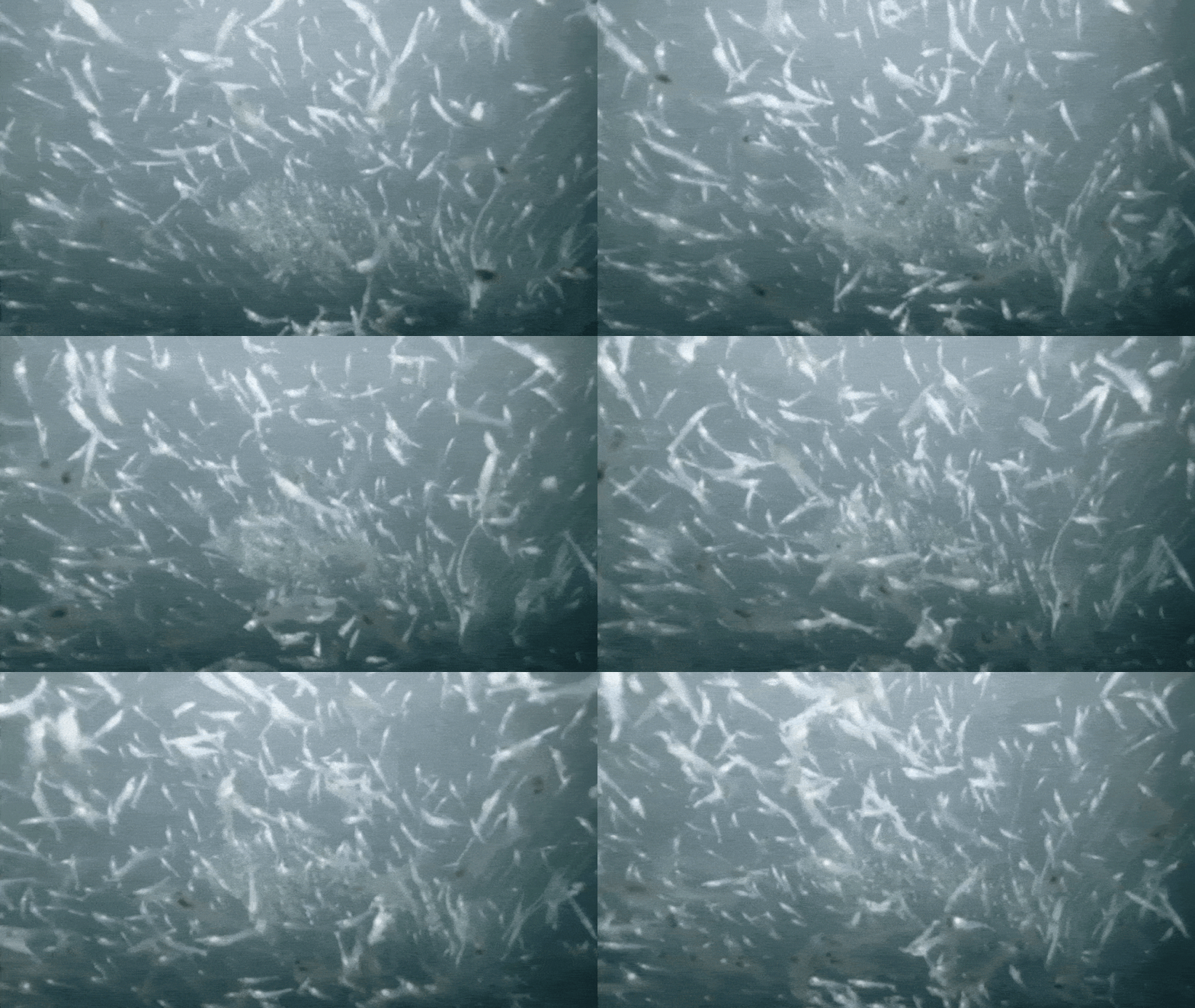
The recordings captured a diverse assemblage of organisms: fish, shrimp, jellyfish, bristle worms, copepods, comb jellies, narwhals and several unidentified creatures. One striking moment involved a snailfish that, while being carried by a current, curled its tail and remained motionless for at least 16 seconds before drifting out of view — a behaviour the authors described as resembling backward swimming.
"Arctic glacial fjords are hotspots of marine life, but they are understudied as a result of their remoteness and difficult access, particularly their seafloor ecosystems," the authors wrote, according to Discover Wildlife.
Scientific Value and Conservation Implications
Beyond curiosities, the footage addresses major gaps in knowledge about Arctic seafloor ecosystems. These fjords are biologically productive yet difficult and expensive to study, so direct observations are rare and valuable. Documenting which species live in these habitats and how they behave provides baseline data that can help researchers detect change, identify emerging threats and make informed conservation decisions.
One practical takeaway is the effectiveness of relatively portable moorings equipped with cameras and hydrophones. These systems can extend scientists' reach into remote, harsh environments without constant human presence, enabling more frequent monitoring, longer-term biodiversity tracking and clearer assessments of how fragile Arctic ecosystems are responding to a rapidly changing climate.
The study underscores that even simple, well-designed observations can yield important insights into hidden marine environments and help build momentum for stronger ocean conservation.
Help us improve.