A chance photo uploaded from a remote Queensland outback property led to the rediscovery of Ptilotus senarius, a shrub not seen in the wild since 1967 and previously thought extinct. Botanists confirmed the identification after the images were posted to iNaturalist, and the species has now been reclassified as critically endangered. The episode highlights the growing role of citizen science, the importance of high-quality observations, and projects that help landowners document biodiversity.
Chance Phone Photo from Remote Queensland Reunites Scientists With Plant Missing From the Wild Since 1967
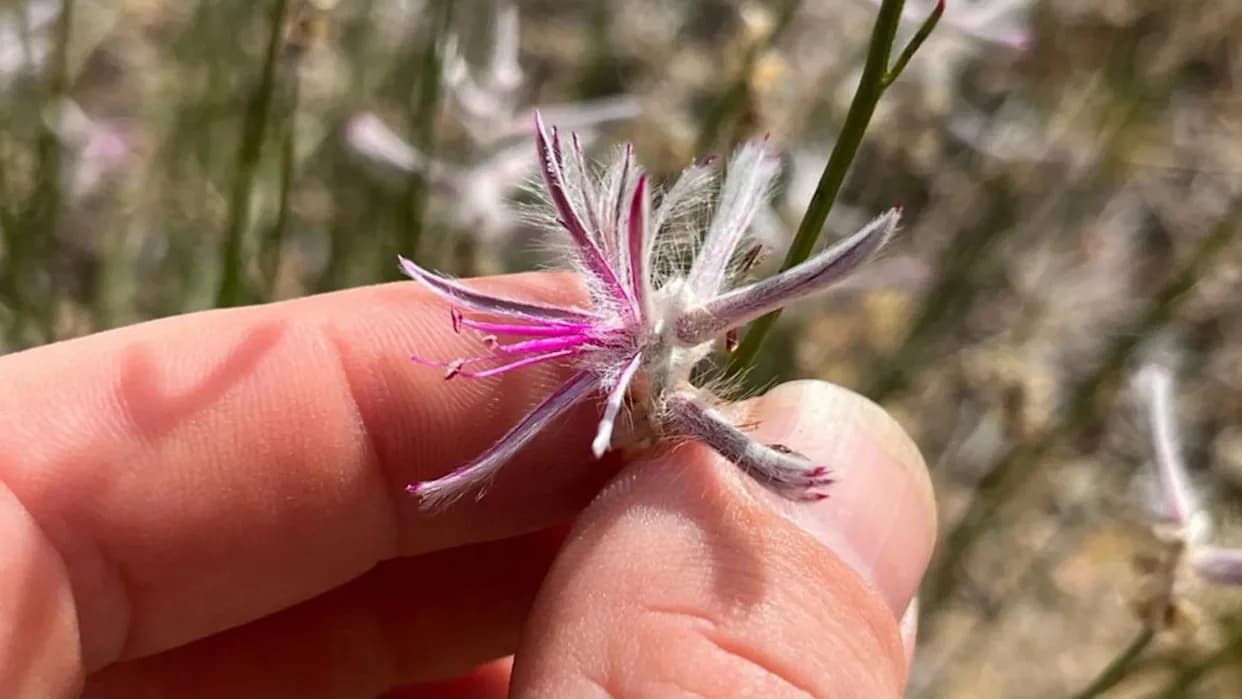
Photo Credit: Aaron Bean / iNaturalist
A casual photograph taken on a remote Queensland outback property has led scientists to rediscover Ptilotus senarius, a delicate shrub with purple-pink flowers that had not been recorded in the wild since 1967 and was widely believed to be extinct.
How a Single Observation Made a Difference
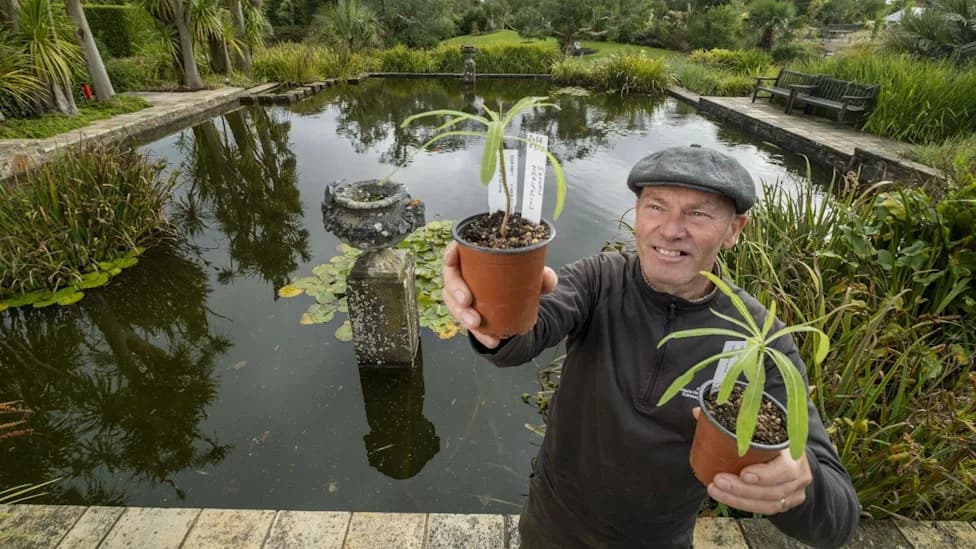
Horticulturist Aaron Bean noticed an unfamiliar shrub while helping with bird banding on a large property in northern Australia. He photographed the plant several times and, once he regained phone service, uploaded the images to the citizen science platform iNaturalist. Botanist Anthony Bean at the Queensland Herbarium recognized the plant from those images and flagged it as Ptilotus senarius.
With cooperation from the landowner, researchers collected a specimen and confirmed the identification. Thomas Mesaglio of the UNSW School of Biological, Earth and Environmental Sciences documented the rediscovery in the Australian Journal of Botany, calling the event 'very serendipitous.' Following verification, Ptilotus senarius has been reclassified as critically endangered, enabling more targeted protection and recovery efforts.
Why This Matters
Beyond the excitement of rediscovering a single rare species, the find highlights the growing power of citizen science. Australia is vast and biodiverse, and about one-third of the continent is privately owned, making comprehensive surveys difficult. Observations from landholders, visitors and nature enthusiasts can reveal important species and populations that professional surveys might otherwise miss for decades.
Better biodiversity records help guide land management, conservation funding and habitat protection. Finding rare species before populations disappear gives scientists a stronger chance to protect landscapes that support pollinators, soil health and community resilience.
How the Public Can Help
Researchers encourage contributors to share high-quality, well-documented observations. A single close-up of a flower is often insufficient when closely related species look similar. Useful tips include:
- Photograph multiple views: flowers, leaves, stems and the whole plant for scale.
- Record context: soil type, nearby plants, habitat, observed pollinators and any notable scent.
- Note exact location and date, and upload images to platforms such as iNaturalist to allow experts to review them.
Mesaglio emphasised that detailed records create more opportunities for future research and conservation:
'The more information and context you provide, the more potential uses that record will have in the future.'
Building Local Participation
Programs such as the Land Libraries project in New South Wales, run by the state government's Biodiversity Conservation Trust, help landholders document species on their properties and share observations on citizen science platforms. Such local participation strengthens the scientific record while fostering stronger connections between people and the landscapes they steward.
The rediscovery of Ptilotus senarius offers a hopeful counterpoint to global losses: ScienceDaily has estimated that roughly 900 plant species have been lost from the wild worldwide since the 1750s. This case shows how everyday observers can contribute to reversing that trend, one careful record at a time.
Help us improve.