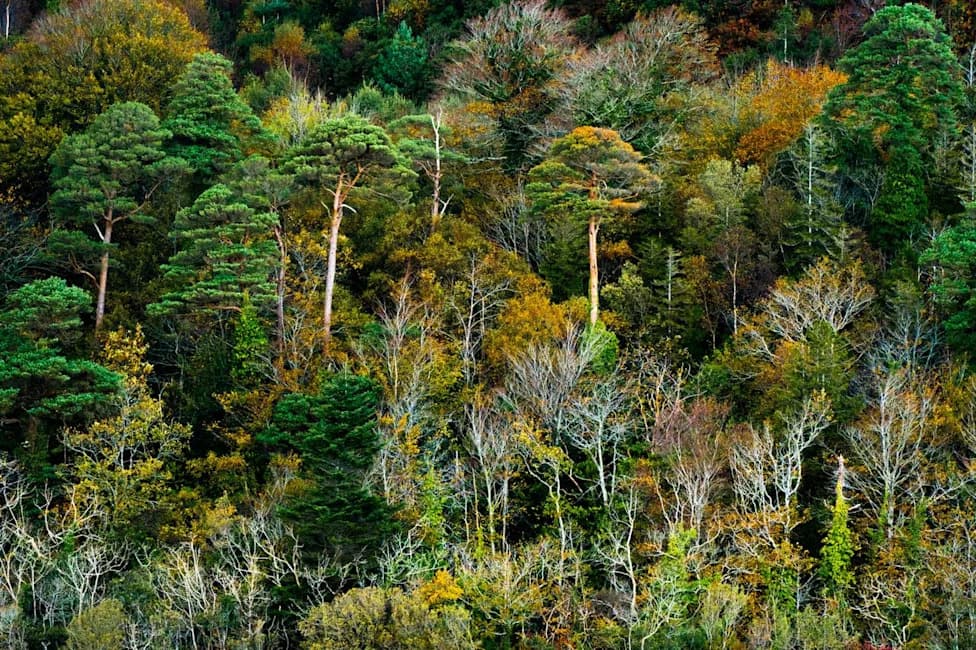
Researchers modelled future ranges for over 67,000 vascular plant species (about 18% of known species) and found 7–16% could lose more than 90% of their range by 2081–2100 under climate scenarios. The study shows climate change often reduces the total area of suitable habitat, meaning assisted migration alone may not prevent many extinctions. Regional risks include Arctic cold specialists, dry Mediterranean-like regions and coastal barriers in Australia, while roughly 28% of land may see local increases in species as ranges reshuffle.
Climate Change Could Erase Habitats For Thousands Of Plant Species By 2100, Study Warns
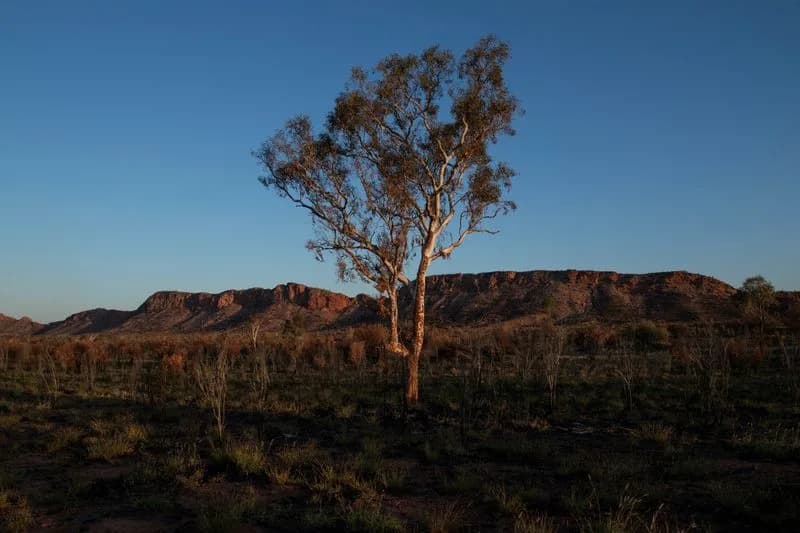
FILE PHOTO: A eucalyptus tree stands amongst the West MacDonnell Ranges west of Alice Springs, Australia, September 15, 2023. REUTERS/Jaimi Joy/File Photo
Climate change is not only shifting where plants can live — it's often shrinking the total area of suitable habitat, putting many familiar species at grave risk by the end of this century, scientists say.
What The Study Did
Researchers modelled future geographic ranges for more than 67,000 species of vascular plants — roughly 18% of the world's known vascular flora — combining millions of occurrence records with greenhouse-gas emissions scenarios for 2081–2100. Vascular plants include nearly all land plants because they have specialized tissues for transporting water and nutrients.
Key Findings
The analysis found that between 7% and 16% of the species examined could lose over 90% of their current range, placing them at very high risk of extinction. At-risk examples include the Catalina (island) ironwood, a rare California endemic; a bluish spike-moss from a lineage older than 400 million years; and roughly one-third of Eucalyptus species, an iconic group in Australia.
"One way to picture this is to imagine plants trying to follow a moving 'climate envelope.' As temperatures warm, many species can shift northward or uphill to stay cool enough. But temperature is only part of the story," said Junna Wang (Yale University) and Xiaoli Dong (UC Davis), co-leads of the study.
Crucially, the researchers found that projected extinction rates were similar whether they modelled realistic, limited dispersal (seeds and spores moved by wind, water, animals or gravity) or an idealized scenario where species could instantly reach any newly suitable habitat. That suggests a decline in the overall amount of suitable habitat — not dispersal limits alone — drives much of the risk.
Regional Impacts And Ecological Consequences
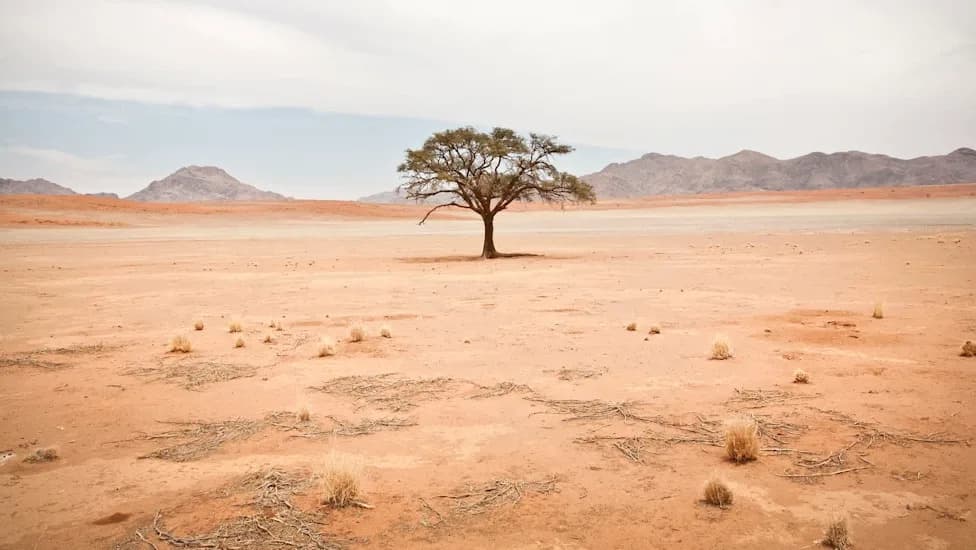
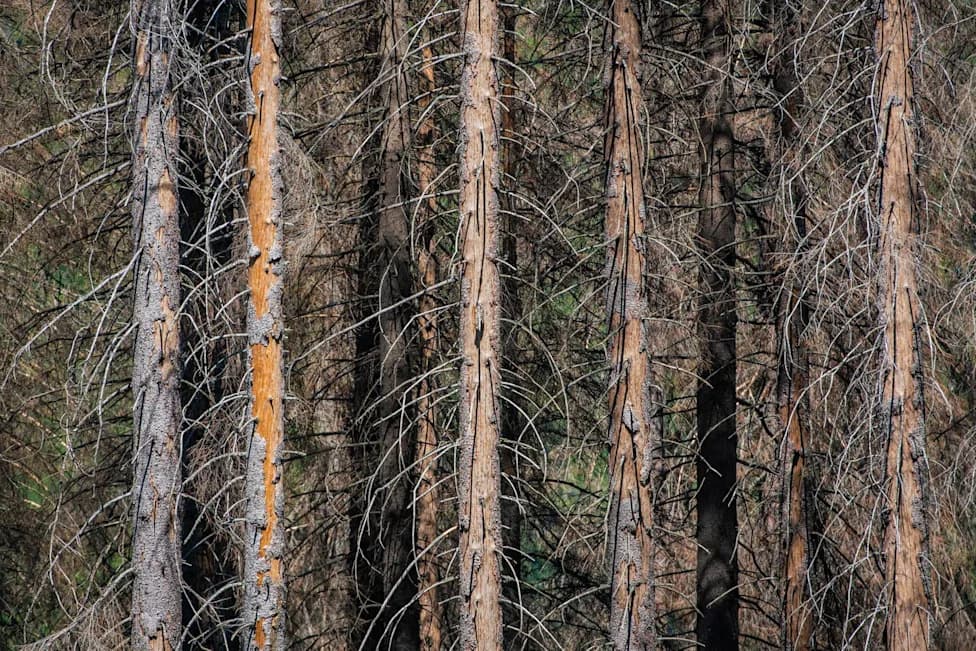
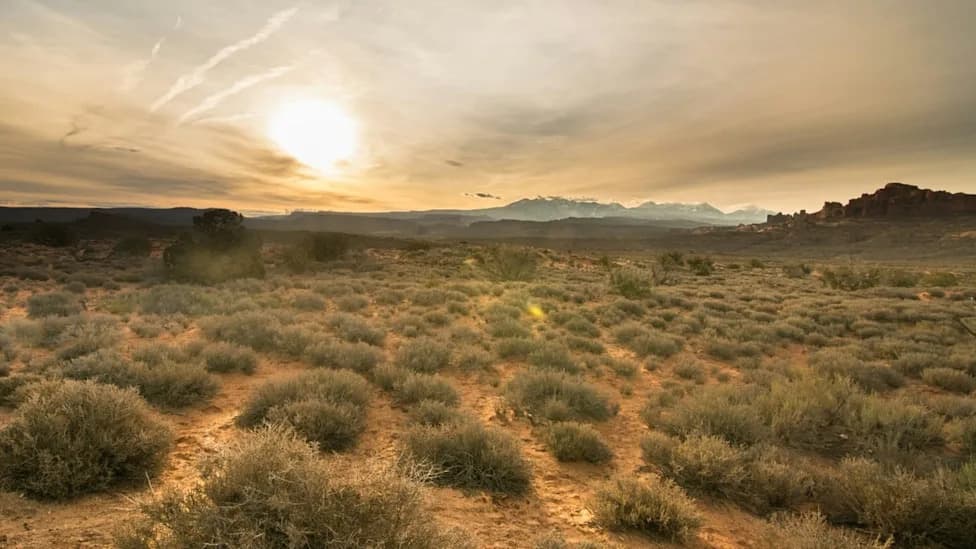
Impacts vary geographically. Cold-adapted Arctic plants may lose habitat as extreme-cold zones contract. Dry regions, including parts of the western United States and Mediterranean-climate areas, face heightened risk from more intense droughts, lower soil moisture and more frequent wildfires. In southern and eastern coastal Australia, coastlines may block poleward shifts.
At the same time, local plant richness could increase across about 28% of Earth's land surface as species colonize newly suitable areas — particularly in parts of the tropics and subtropics where increased rainfall may open new opportunities. The study describes this as a global reshuffling: species disappear from parts of their historical ranges while others arrive in new places.
These redistributions can create "novel communities" — new combinations of species that have not coexisted historically — with unpredictable ecological outcomes. Because plants underpin terrestrial ecosystems by storing carbon, stabilizing soils and supporting wildlife and human livelihoods, reductions in plant cover and productivity can create feedback loops that further intensify warming.
Conservation Implications
The findings challenge the assumption that moving species (assisted migration) will by itself save them. If climate change reduces the total quantity of suitable habitat, relocation helps only when appropriate habitat exists to receive the species. Conservation strategies will therefore need to combine protecting and restoring habitat, reducing greenhouse-gas emissions, and carefully targeted interventions where they can succeed.
Ultimately, protecting plant diversity matters not only for nature but for the ecological systems that sustain human societies, the authors say.
(Reporting by Marta Serafinko; study led by Junna Wang and Xiaoli Dong; edited for clarity.)
Help us improve.