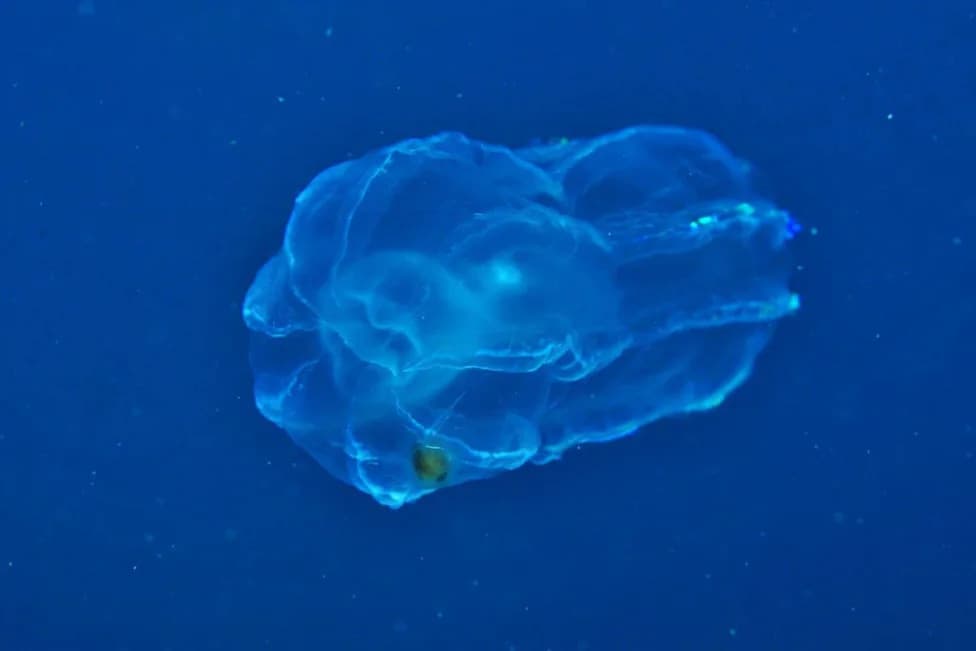
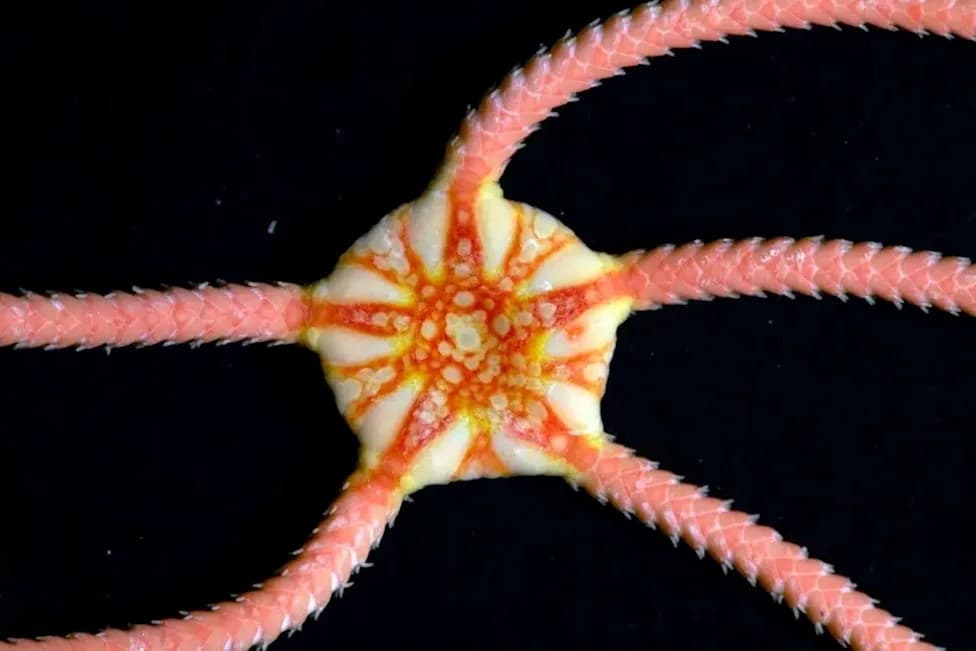
Researchers with the Nippon Foundation–Nekton Ocean Census documented 1,121 previously unknown marine species after surveys to 21,571 feet. Highlights include a chimaera “ghost shark” off Queensland, a carnivorous “death ball” sponge near the South Sandwich Islands, a symbiotic bristle worm in a glass sponge, and brightly colored ribbon worms being studied for drug leads. The mission supports Nekton’s goal of cataloguing 100,000 species as studies suggest up to 90% of ocean life remains undiscovered.
Over 1,100 New Deep-Sea Species Discovered — From 'Ghost Sharks' to a Carnivorous 'Death Ball' Sponge
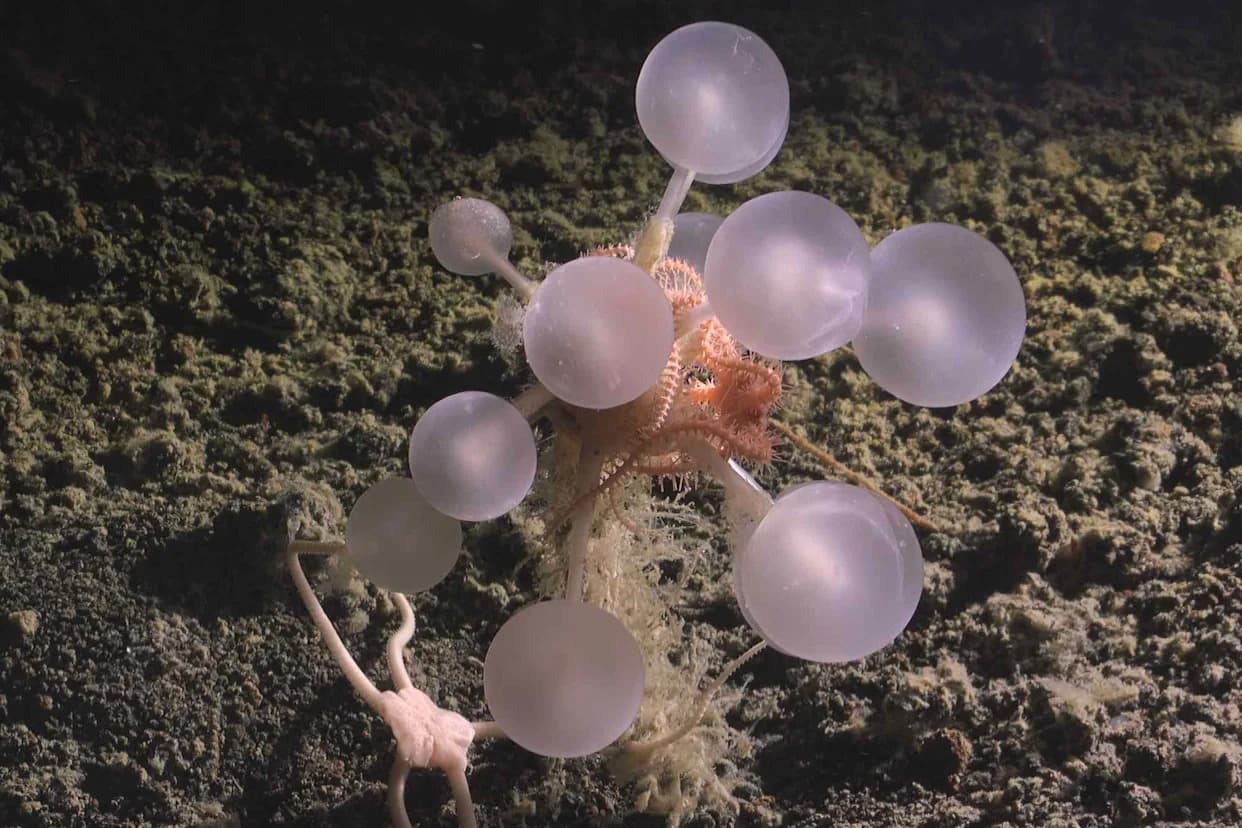
The "death ball" speciesCredit: SuBastian/Schmidt Ocean Institute
Scientists from the Nippon Foundation–Nekton Ocean Census have announced the discovery of 1,121 previously unknown marine species after deep-sea surveys that reached depths of up to 21,571 feet. The finds, revealed in a press release dated May 19, span corals, crabs, shrimps, sea urchins, anemones, ribbon worms and other surprising life-forms.
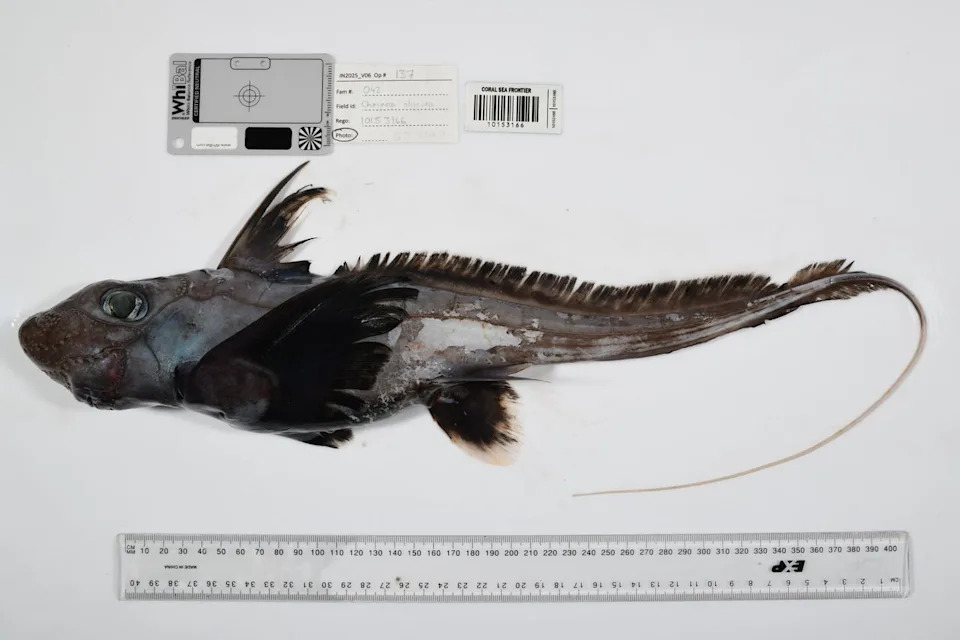
The "ghost shark" speciesCredit: The Nippon Foundation-Nekton Ocean Census/CSIRO
Notable discoveries include a chimaera nicknamed the “ghost shark,” observed in the Coral Sea Marine Park off Queensland, Australia, at depths between 2,631 and 2,749 feet, and a carnivorous sponge dubbed the “death ball,” found near the South Sandwich Islands at nearly 12,000 feet. Researchers also documented a brightly colored ribbon worm from Timor-Leste and a symbiotic bristle worm living inside a so-called “glass castle” — the intricate chambers of a glass sponge whose skeleton is made of crystalline silica.
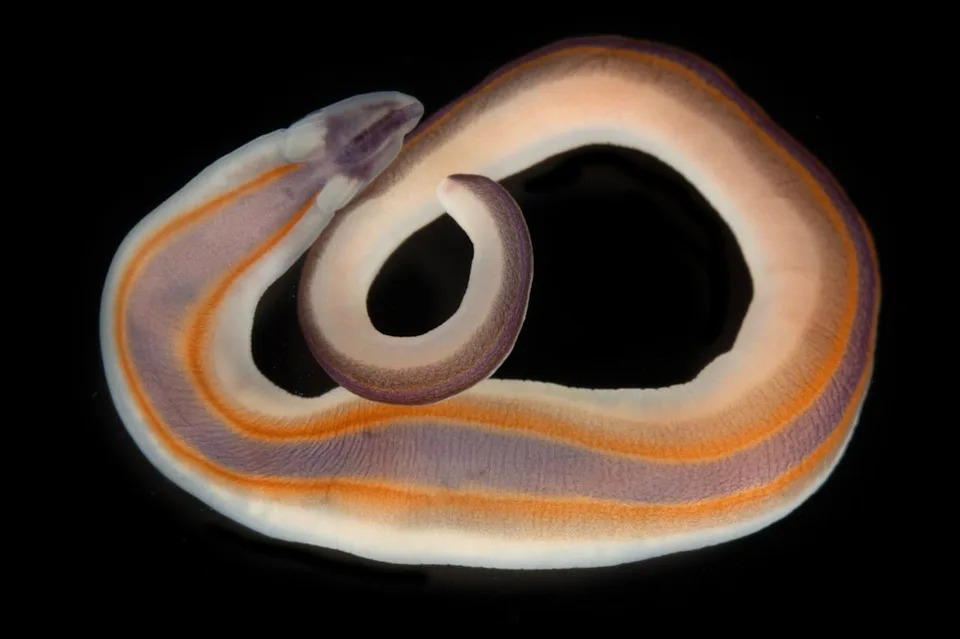
The ribbon worm found in Timor-LesteCredit: The Nippon Foundation-Nekton Ocean Census/Gustav Paulay
Dr. Michelle Taylor, Head of Science at Ocean Census, said: “With many species at risk of disappearing before they are even documented, we are in a race against time to understand and protect ocean life. For too long, thousands of species have remained in a scientific ‘limbo’ because the pace of discovery couldn't keep up. We are now breaking that bottleneck.”
The chimaera family are distant relatives of sharks and rays, having diverged from those lineages nearly 400 million years ago. The Ocean Census release noted that roughly one third of sharks, rays and chimaeras are now considered vulnerable to extinction, underscoring the conservation urgency of cataloguing marine biodiversity.
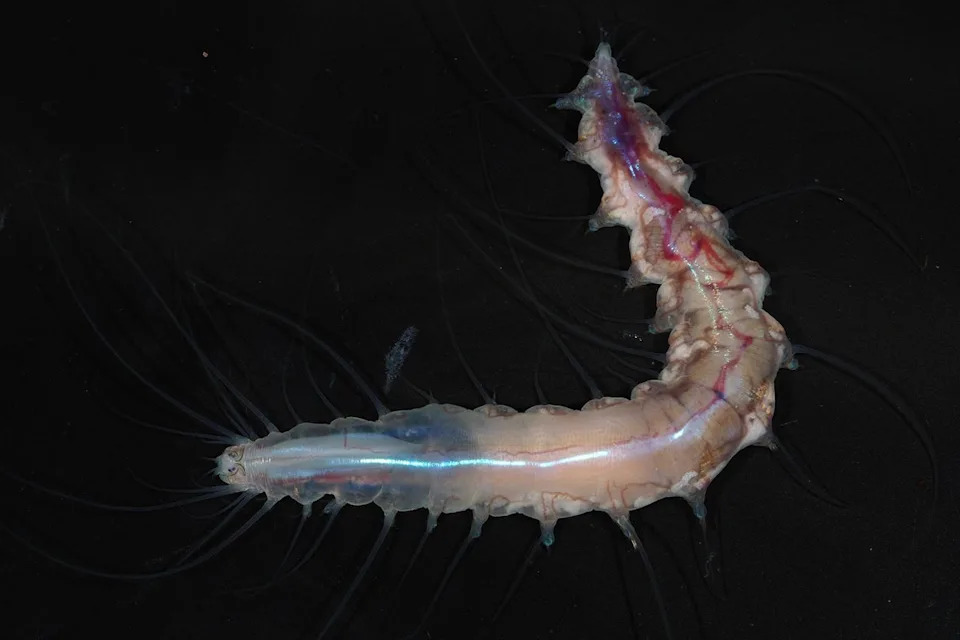
A symbiotic bristle worm living within a “glass castle”Credit: The Nippon Foundation-Nekton Ocean Census/JAMSTEC
The ribbon worm discovered in Timor-Leste measures under 3 cm and displays vivid orange pigmentation. Such coloration often signals potent chemical defenses, and compounds from ribbon worms (phylum Nemertea) are being investigated as possible leads for treatments of Alzheimer’s disease and schizophrenia.
The “death ball” sponge captures small crustaceans with microscopic, Velcro-like hooks on its surface before enveloping and digesting them — a dramatic example of carnivory in the deep sea. The symbiotic bristle worm was found on a volcanic seamount in the Shichiyo Seamount Chain, Japan, at about 2,595 feet, where it inhabits the protective chambers of a glass sponge.
Nekton co-founder Ocean Census has set an ambitious target to document 100,000 marine species. The organisation cited a study estimating that up to 90% of ocean species remain undiscovered, highlighting the vast scale of unexplored life and the need for continued deep-sea exploration and conservation.
Why it matters: These discoveries expand our understanding of deep-sea ecosystems, reveal potential new sources for biomedical research, and reinforce the urgency of protecting vulnerable marine species before they are lost.
Help us improve.