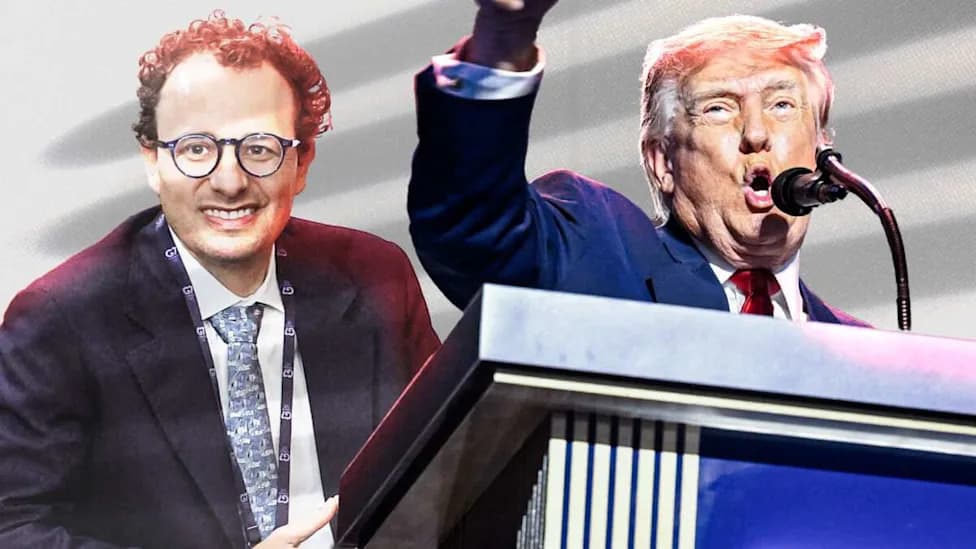
China has blocked imports of certain Nvidia chips to accelerate domestic development of advanced semiconductors and strengthen its position in the AI competition with the United States. The ban is a setback for Nvidia; its CEO joined then‑President Donald Trump's Beijing trip after lobbying to relax export restrictions. Experts warn the U.S. AI advantage is precarious because China benefits from cheap energy and vast manufacturing scale. The decision may speed China's drive for chip self‑sufficiency and alter global AI hardware supply chains.
China Blocks Imports of Certain Nvidia Chips as It Pushes Domestic AI Chipmaking
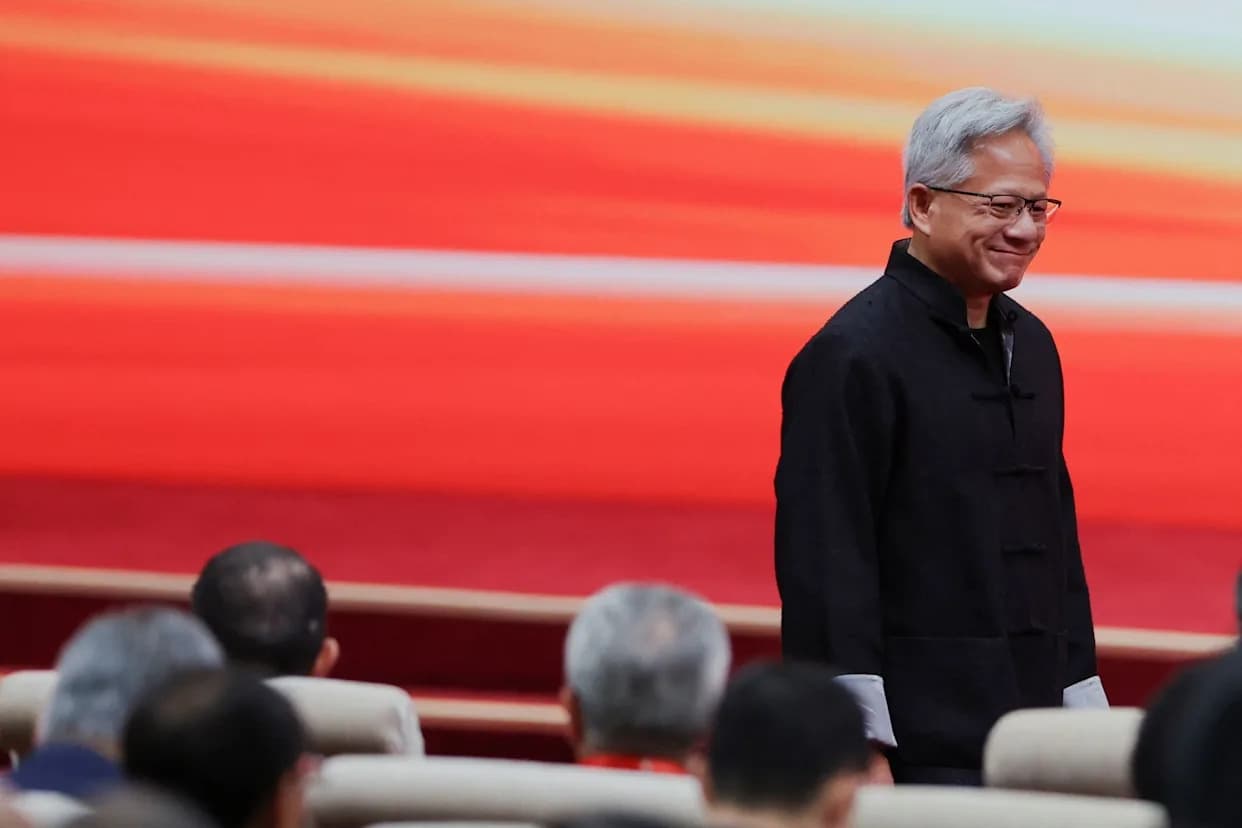
China has banned imports of certain Nvidia chips, a move that underscores Beijing's determination to develop advanced domestic semiconductors as it competes with the United States in artificial intelligence.
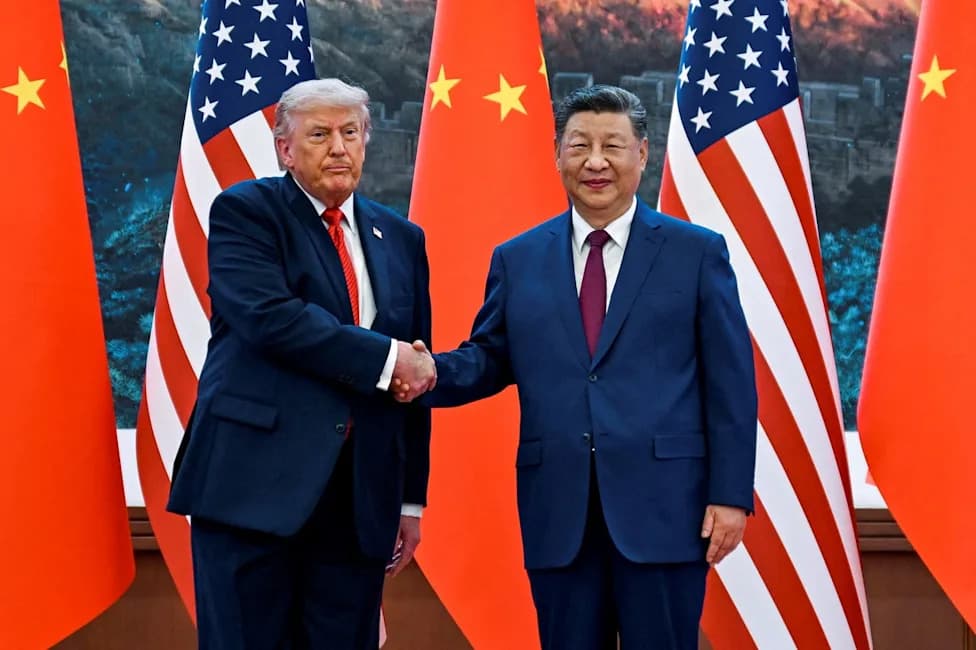
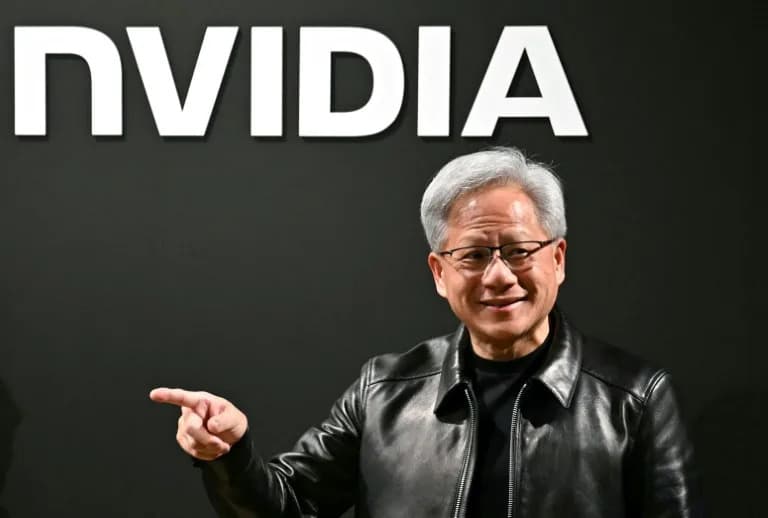
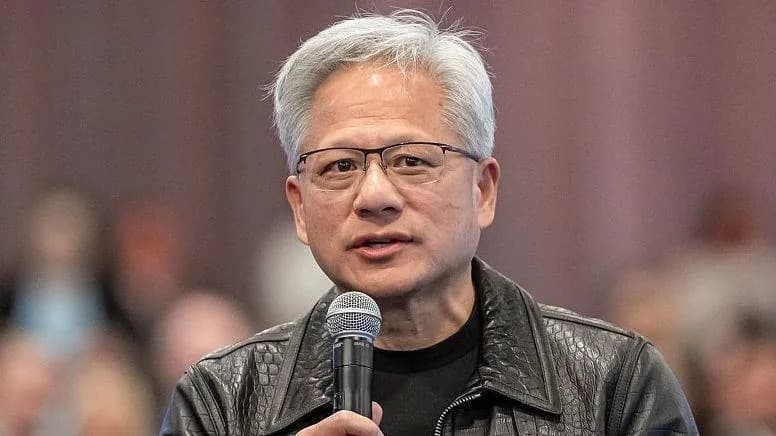
The decision represents a setback for Nvidia. The company's CEO was added at the last minute to then‑President Donald Trump's Beijing visit after lobbying the White House to ease export controls on chips destined for China.
Beijing framed the restriction as part of a broader strategy to reduce reliance on foreign suppliers and accelerate homegrown chip development across design and manufacturing. For Nvidia, the measures could complicate sales of high‑end AI processors in China and force adjustments to supply chains and commercial strategy.
Implications for the Global AI Race
Experts told Semafor that the U.S. lead in AI is fragile because China still benefits from abundant, low‑cost energy and massive manufacturing capacity. As one expert told the BBC,
"The Chinese model, maybe it’s only 90% as good, but it is 10% as expensive."
Analysts say the ban may accelerate China's push for self‑sufficiency, prompting heavier investment in domestic chipmakers and prompting foreign firms to rethink where they produce and sell AI hardware. The move also raises questions about how export controls and geopolitics will shape future market access and innovation.
What Comes Next: Expect intensified investment in Chinese semiconductor capacity, potential shifts in global supply chains, and ongoing diplomatic and trade negotiations over technology export rules.
Help us improve.