The Pentagon has reduced U.S. Brigade Combat Teams in Europe from four to three, restoring brigade-level presence to 2021 levels. The change prompted a temporary delay of a planned deployment of around 4,000 troops to Poland, which officials say is postponed rather than cancelled. The move follows a separate May announcement to withdraw roughly 5,000 troops from Germany and is presented as leverage to encourage greater European defence contributions. Final force dispositions will be decided after further U.S. strategic review and consultations with allies.
Pentagon Cuts U.S. Brigade Presence in Europe From Four to Three, Delays Poland Deployment
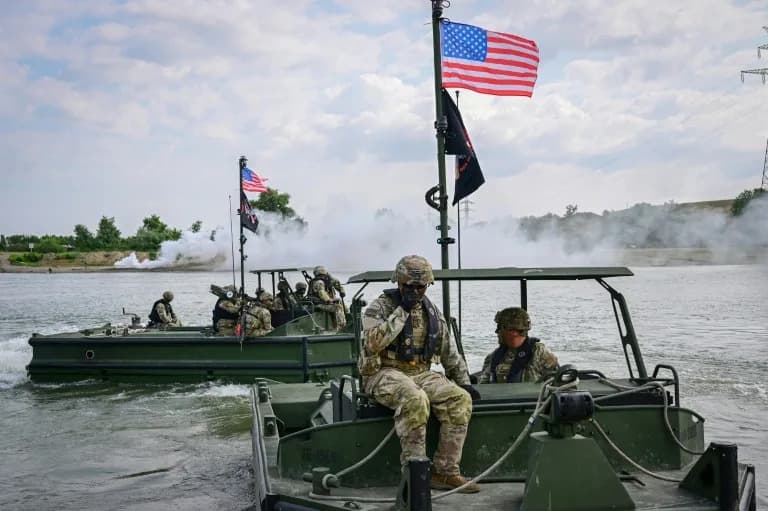
US Vice President JD Vance says a planned deployment of 4,000 troops to Poland has been delayed rather than canceled (Daniel MIHAILESCU)(Daniel MIHAILESCU/AFP/AFP)
The Pentagon announced Tuesday that it has reduced the number of U.S. Brigade Combat Teams (BCTs) assigned to Europe from four to three, returning brigade-level force levels to those seen in 2021. According to a Congressional report, a single BCT typically comprises about 4,000–4,700 personnel.
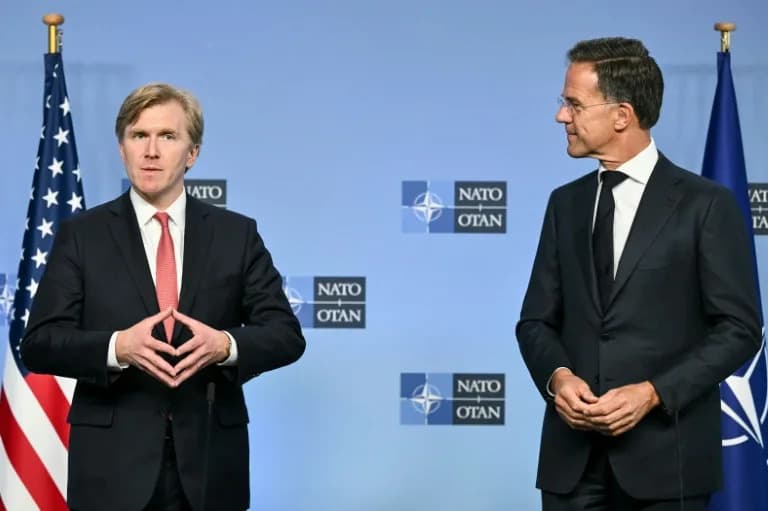
The Pentagon said the change has produced a "temporary delay" in the planned deployment of U.S. forces to Poland. Vice President J.D. Vance said the movement of roughly 4,000 troops to Poland has been postponed rather than cancelled.
"The Department will determine the final disposition of these and other U.S. forces in Europe based on further analysis of U.S. strategic and operational requirements, as well as our allies' own ability to contribute forces toward Europe's defense," the Pentagon said in a statement.
Officials framed the reduction as part of a broader U.S. push for European partners to shoulder more of their own defense responsibilities. The decision caps weeks of speculation about U.S. force adjustments on the continent and follows an earlier May announcement that the Pentagon plans to withdraw about 5,000 troops from Germany.
Implications: Supporters say the move is intended to pressure NATO allies to increase defence spending and force contributions. Critics warn that fewer forward-deployed brigades may complicate deterrence and reassurance efforts in Eastern Europe, making the forthcoming Pentagon assessment and allied responses especially consequential.
Next steps: The Department of Defense will complete a strategic and operational review to finalize unit dispositions and timing. Those conclusions will be shaped by U.S. military requirements and by how much assistance allied governments commit to regional defense.
Help us improve.