Three juveniles were arrested after a nearly 24-hour shooting spree across Austin and Manor that included 12 attacks and left four people injured. Retired officer Dennis Farris criticized Austin city policies that led to the removal of license-plate readers and other surveillance tools, arguing those technologies could have helped catch suspects sooner. Mayor Kirk Watson and a council member said the TRUST Act provides a framework for considering license-plate readers with privacy safeguards, while the vendor Flock Safety said its system assisted Manor in identifying the suspect vehicle.
Retired Austin Officer Says Removal Of License-Plate Readers Hindered Response To 24-Hour Shooting Spree

Austin Police Chief Lisa Davis speaks during a press conference alongside city officials following a series of shootings across Austin.(Fox News)
After a nearly 24-hour shooting spree that included 12 separate attacks across Austin and neighboring Manor, Texas, three juveniles were arrested and four people were injured. The incident reignited debate about surveillance technology after a retired Austin police officer said the department had been hamstrung by city policies that led to the removal of license-plate readers and limits on facial-recognition tools.
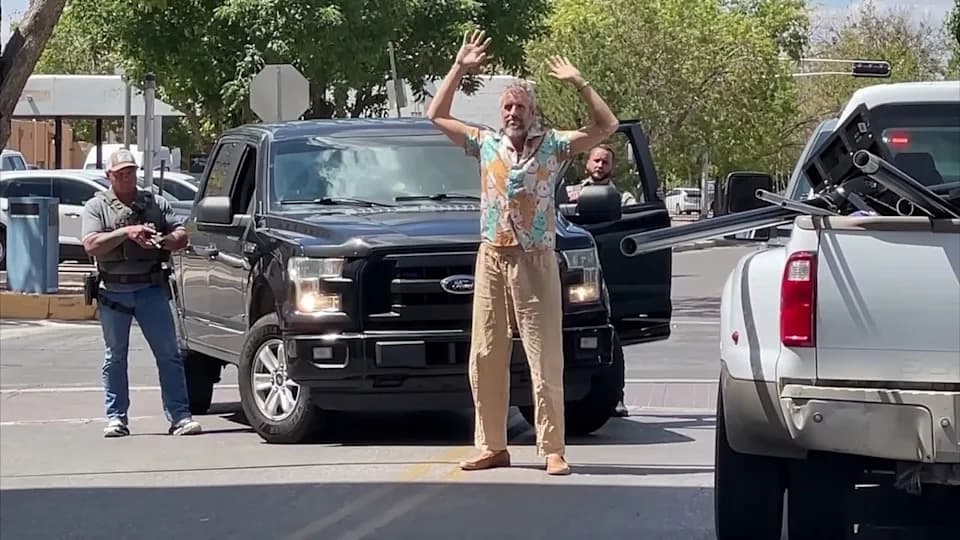
Two suspects were taken into custody in Austin and a third in Manor. The three are juveniles — ages 15, 16 and 17 — and therefore remain unnamed in public records except for the 17-year-old, Cristian Mondragon-Fajardo, who is expected to face multiple charges including aggravated assault with a deadly weapon, aggravated assault with a motor vehicle, deadly conduct, unauthorized use of a motor vehicle, evading arrest and theft of a firearm.
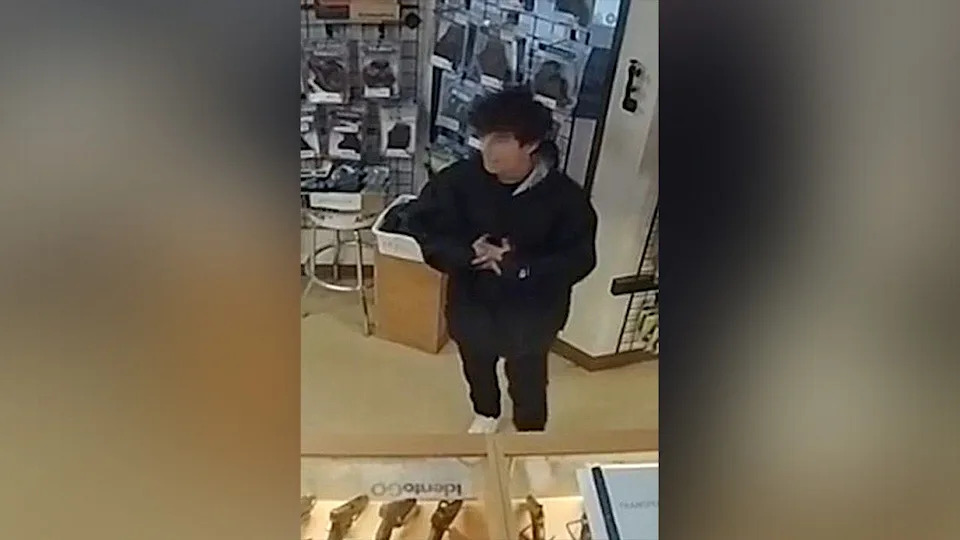
Austin police released surveillance images of a suspect investigators believe was connected to a series of shootings across the city.
What Retired Officer Said
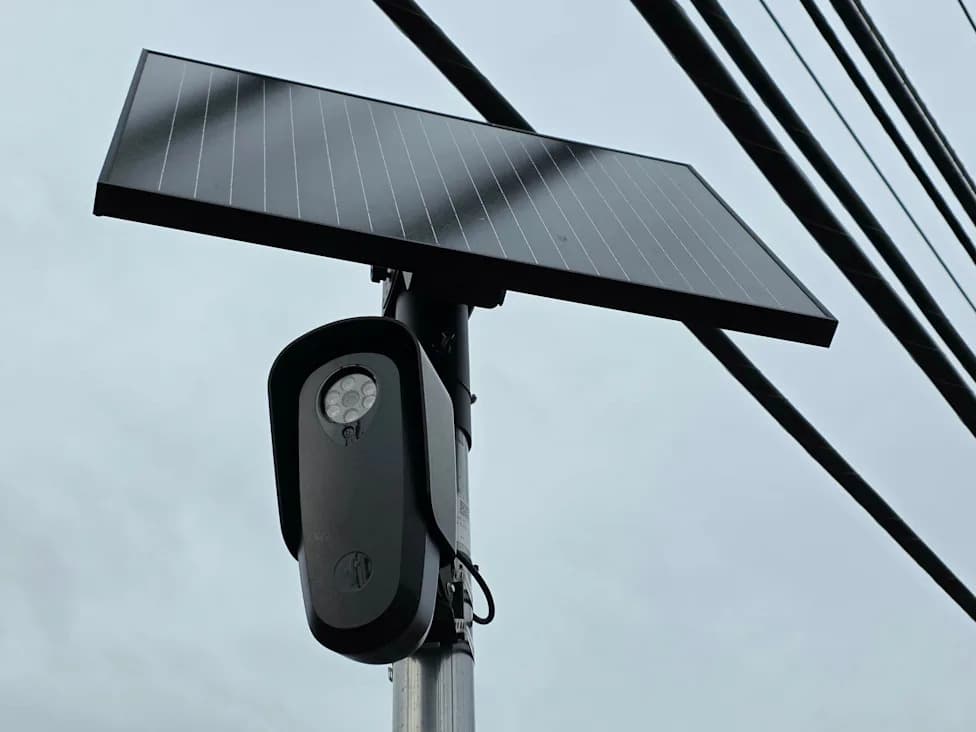
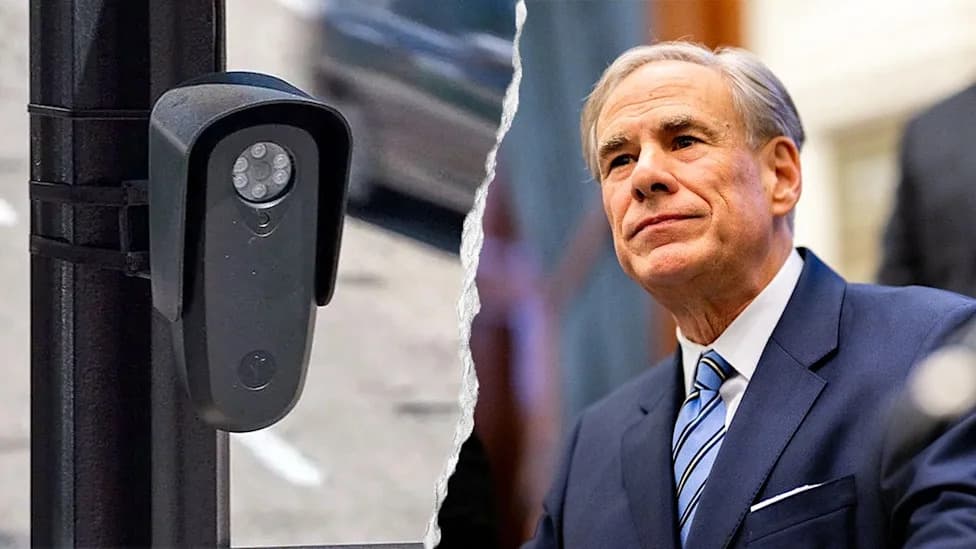
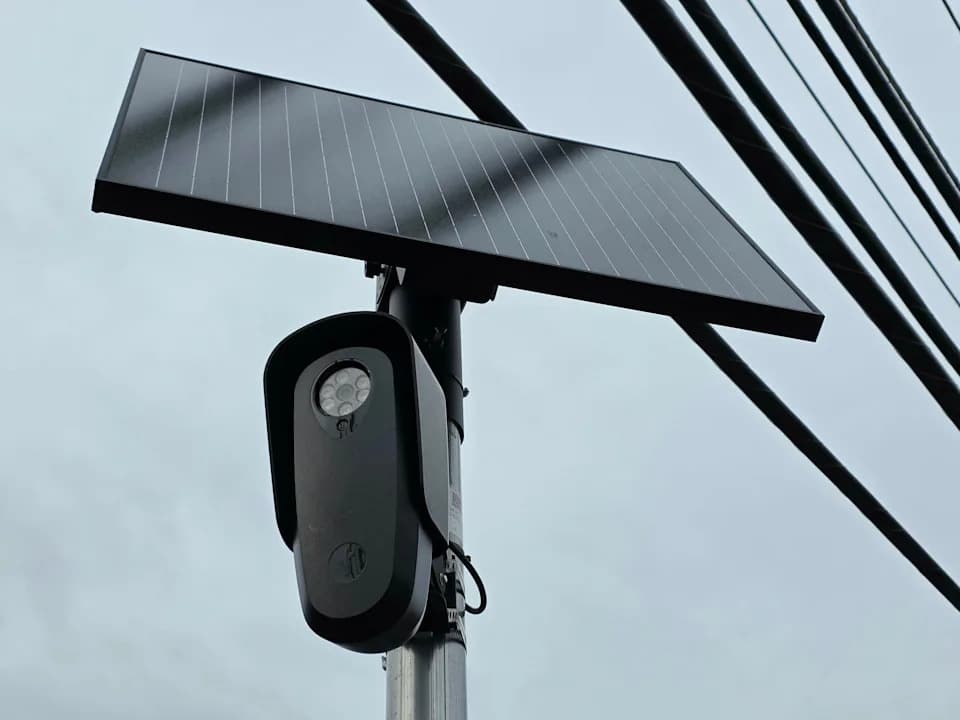
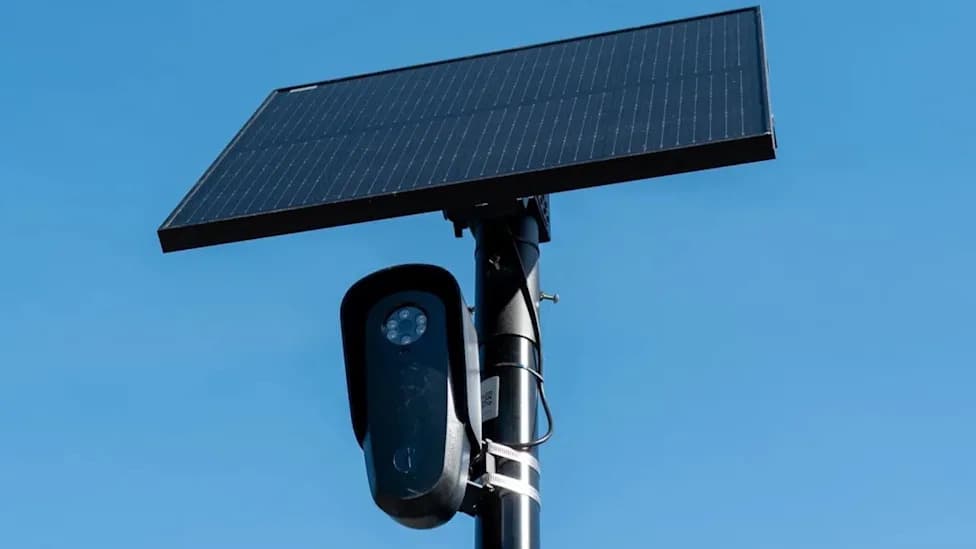
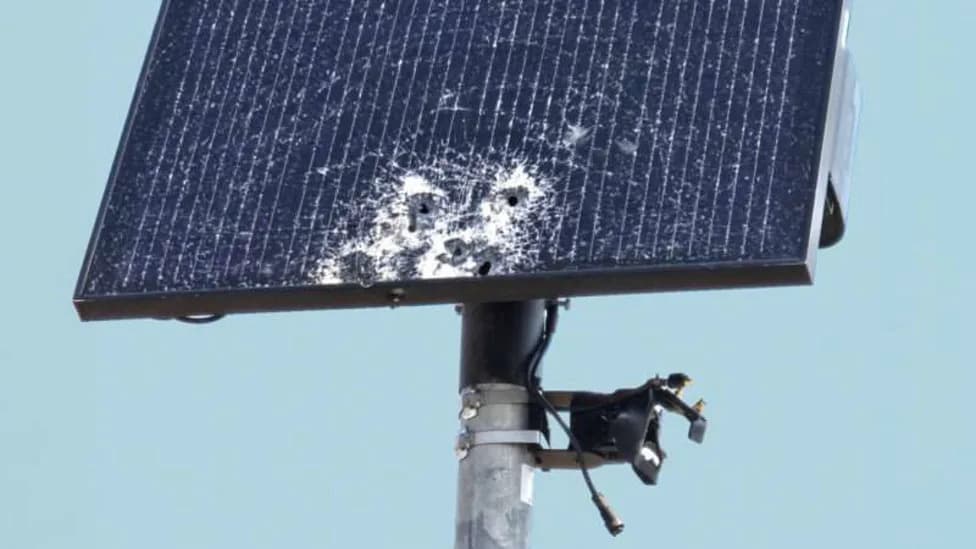
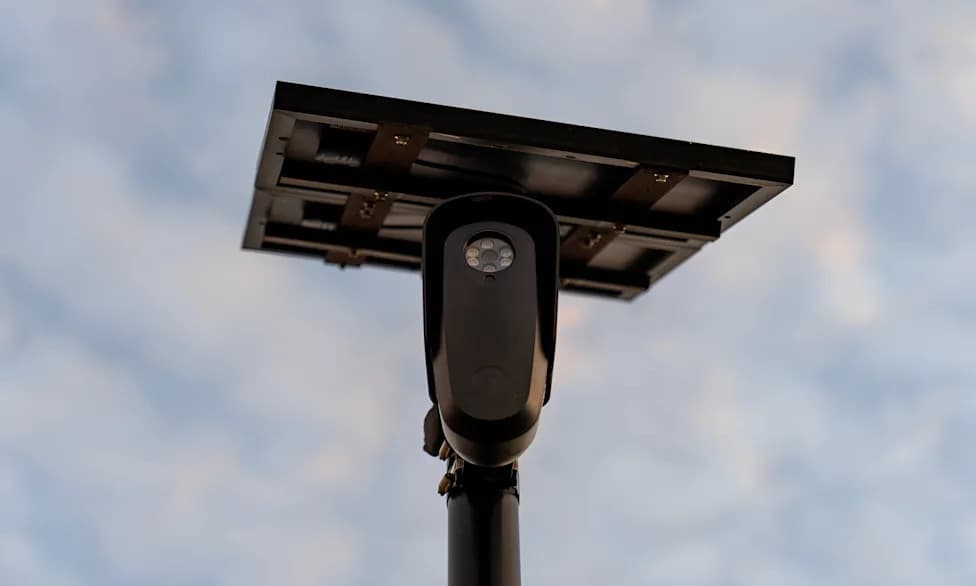
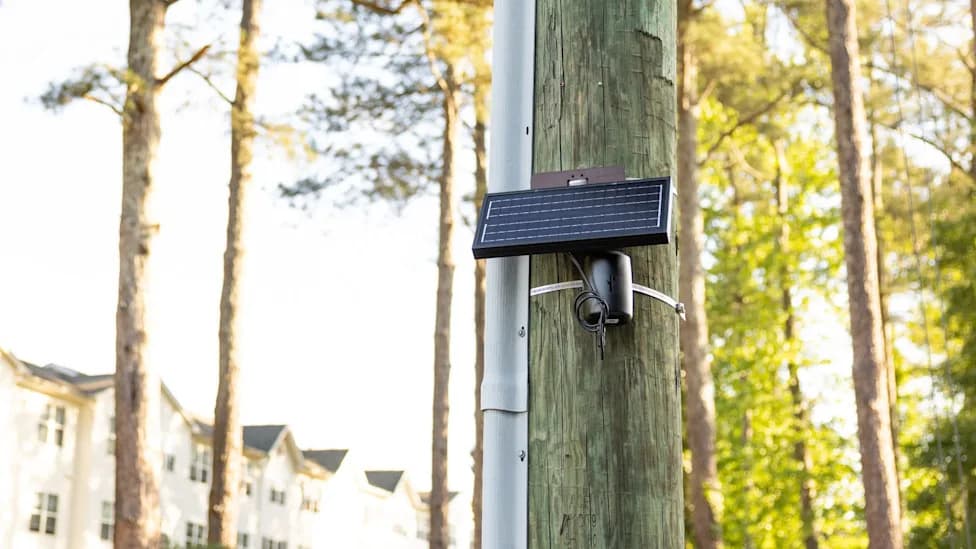
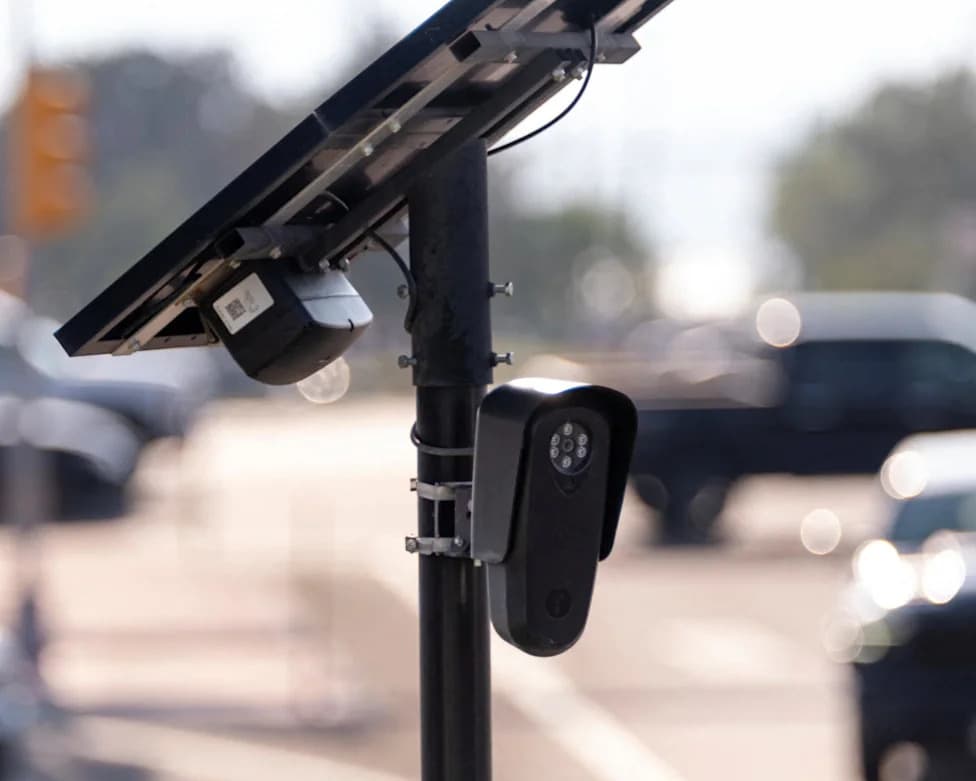
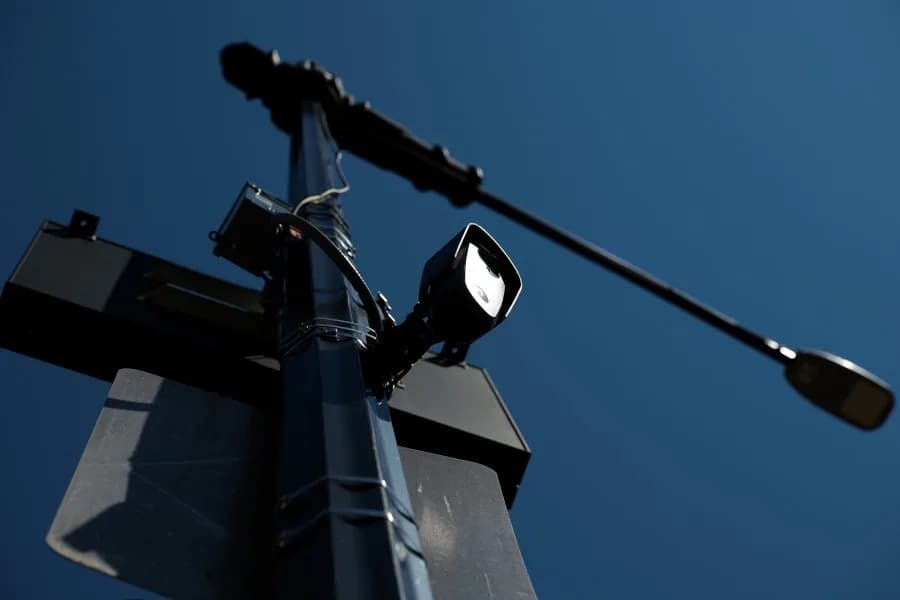
Dennis Farris, president of the Austin Police Retired Officers' Association and a former Austin police officer, told Fox News Digital that the pace of identifying and capturing the suspects would have been faster if the city still used automated license-plate readers and other surveillance tools. "The Austin Police Department has really been handcuffed by its own city council from using technology that could help in stuff like this," Farris said, singling out license-plate readers — specifically the vendor Flock Safety — and facial-recognition systems as examples.
"Think about if we'd had those cameras in Austin, they would never have gotten to Manor... We may have caught them before they shot this," Farris said, referring to Manor's use of Flock cameras to help identify a suspect vehicle.
City Officials, Policy Context, And Privacy
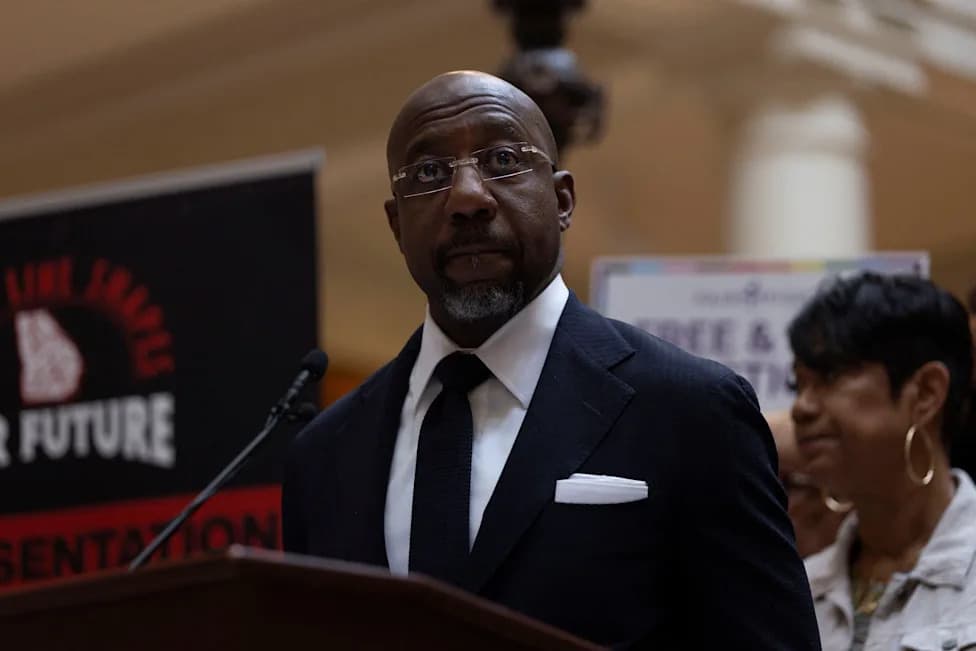
Mayor Kirk Watson acknowledged that license-plate readers likely would have been helpful during the response. He pointed to the TRUST Act (Transparent and Responsible Use of Surveillance Technology Act) as the city’s current framework for considering surveillance tools, which requires council approval before deployment, transparency about data collection and storage, and explicitly bans the use of facial-recognition technology.
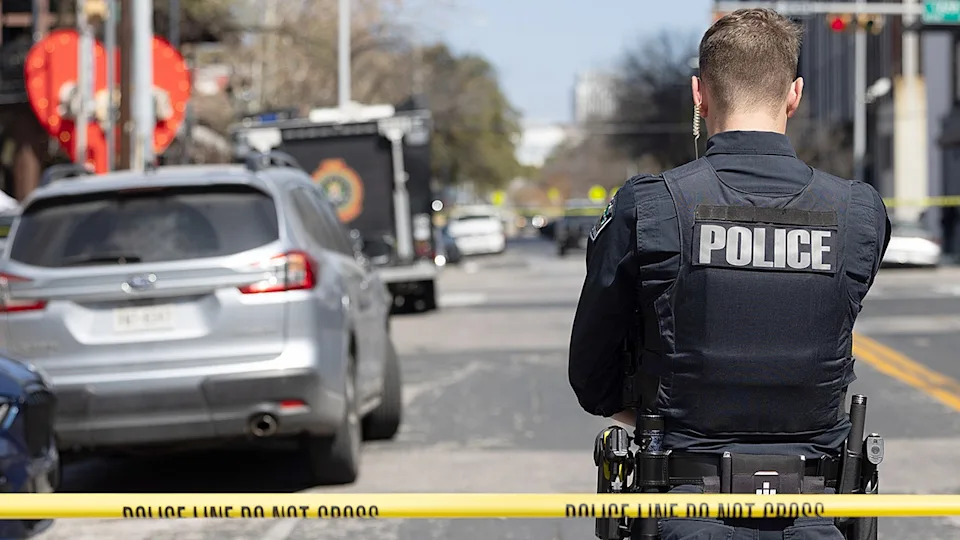
The Austin Police Department and the FBI investigate a shooting at Buford's on West 6th Street in Austin, Texas, on March 1, 2026.
Council Member Marc Duchen said city leaders must balance public safety and privacy, but agreed that properly governed tools can help track suspects and prevent similar incidents. Advocates who previously opposed Flock and similar systems raised concerns about data sharing — particularly whether local data could be provided to federal immigration authorities — which helped drive the earlier decision to discontinue a Flock contract in Austin.
Vendor Statement And Local Impact
Flock Safety said Manor’s system helped identify the vehicle involved and that information contributed to arrests about an hour after Manor received tips from Austin Police. Flock officials emphasized that the company does not own municipal data and that cities control how data are used and shared. The company framed its cameras as tools that convert information visible in public into objective evidence to speed investigations.
The episode has prompted renewed calls from some officials and public-safety advocates to consider license-plate readers under the TRUST Act’s transparency and oversight safeguards, while privacy advocates continue to press for strict limits on surveillance and data sharing.
Fox News Digital reached out to the Austin City Council and the Austin Police Department for comment.
Help us improve.