The Ocean Census reported 1,121 candidate new marine species recorded since last April, from a worm living inside a glass sponge to chimaeras, rays, catsharks, carnivorous ping‑pong ball sponges, and deep sea pens. These observations highlight how much ocean biodiversity remains undocumented, but experts caution that recorded specimens must still undergo formal taxonomic description — a process that averages about 13 years — before species are officially recognized and eligible for legal protection.
1,121 Candidate Ocean Species Recorded — Strange New Deep‑Sea Creatures Revealed
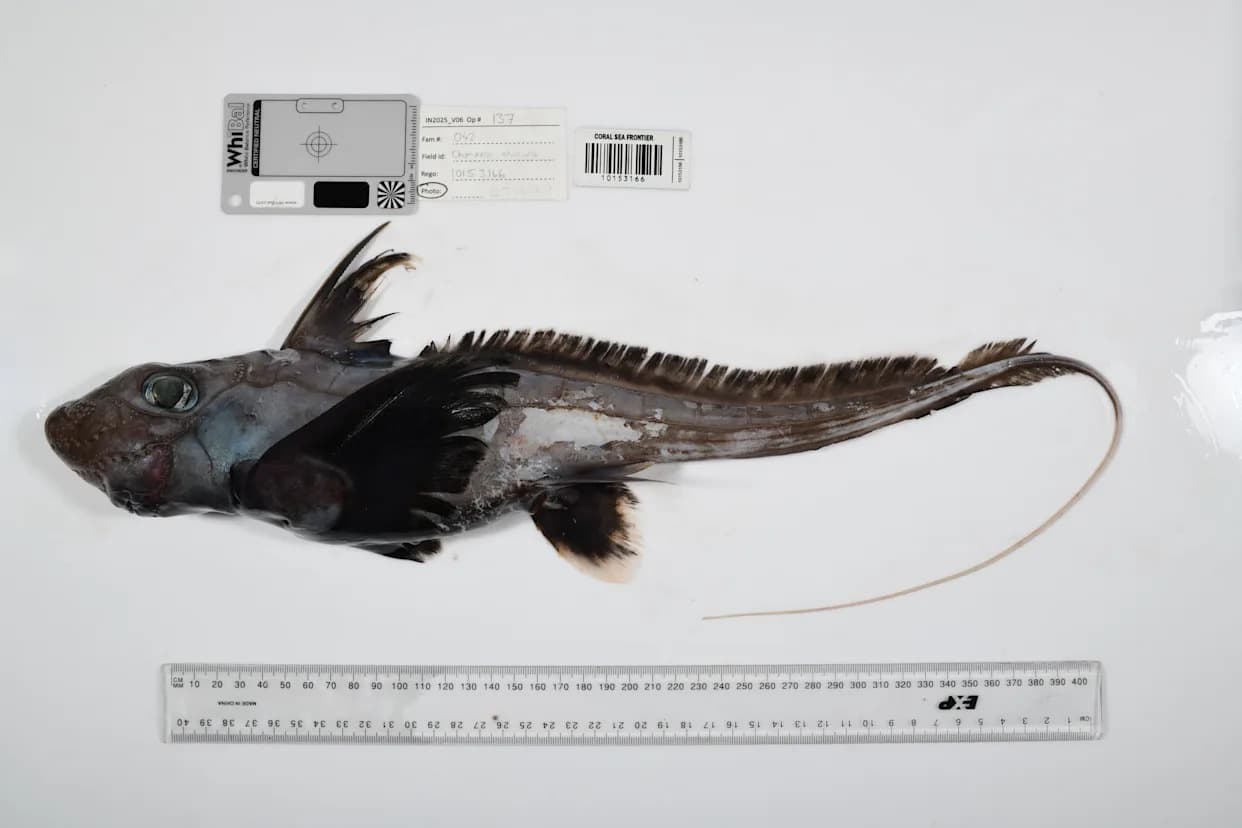
A species of chimaera — aka a ghost shark — is among the 1,121 species scientists say they recently discovered as part of a marine exploration mission called Ocean Census. | The Nippon Foundation-Nekton Ocean Census/CSIRO
Researchers working with the Ocean Census have recorded a startling haul of previously unseen marine life — 1,121 candidate species observed since last April — including a glass‑sponge–dwelling worm, vivid ribbon worms, a ghost shark (chimaera), unknown rays and catsharks, carnivorous "ping‑pong ball" sponges, and deep sea pens found more than 2,600 feet down.
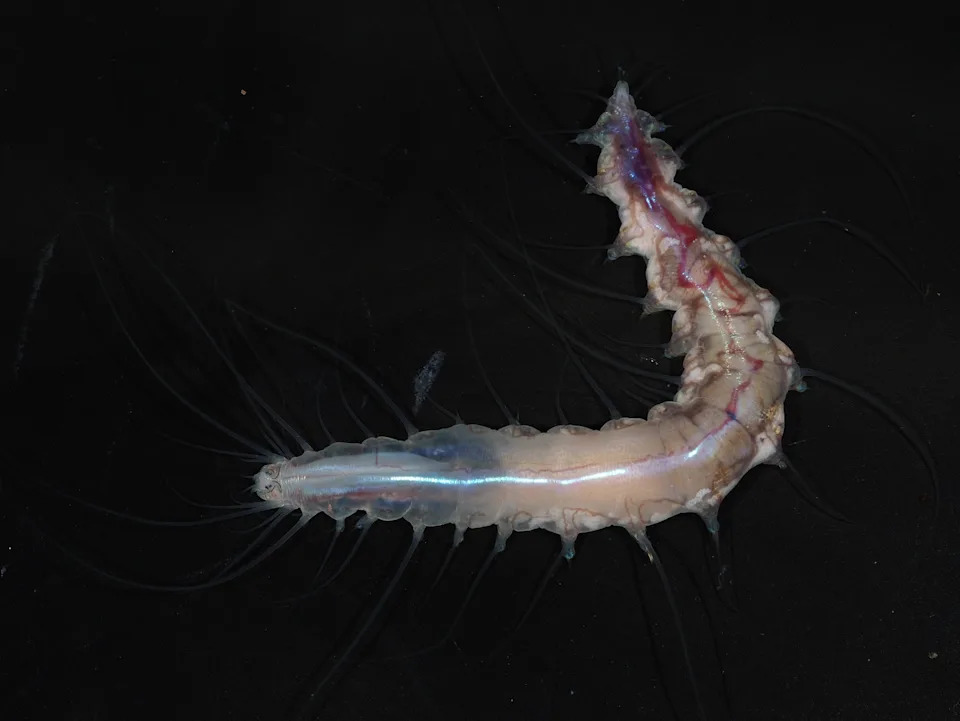
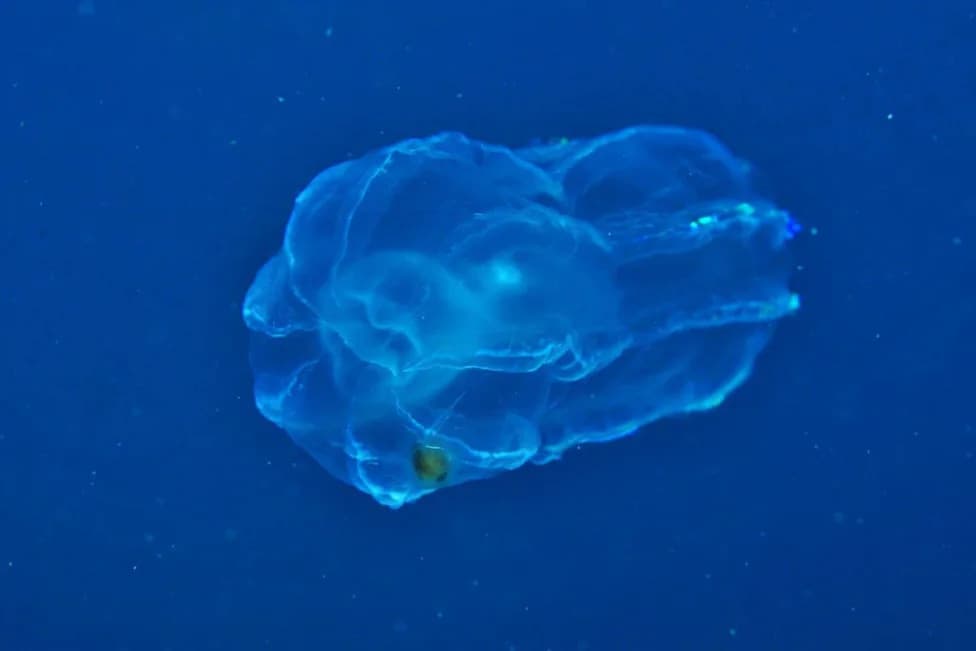
Dalhousiella yabukii, a new species of polychaete worm found in deep waters off the coast of Japan. | The Nippon Foundation-Nekton Ocean Census/JAMSTEC
A Glass Castle Worm and a Trove of Deep‑Sea Finds
One of the most striking images shows Dalhousiella yabukii, a marine worm living inside a glass sponge in the cold, dark waters off Japan. The worm is just one example from a large group of animals documented by the Ocean Census, a three‑year effort led by the UK nonprofit Nekton in partnership with The Nippon Foundation of Japan.
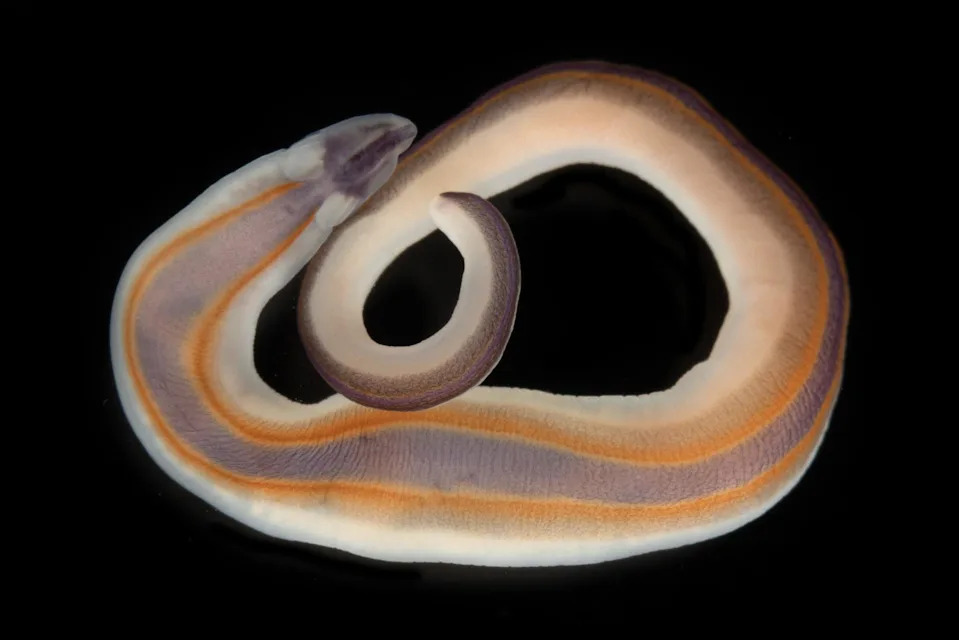
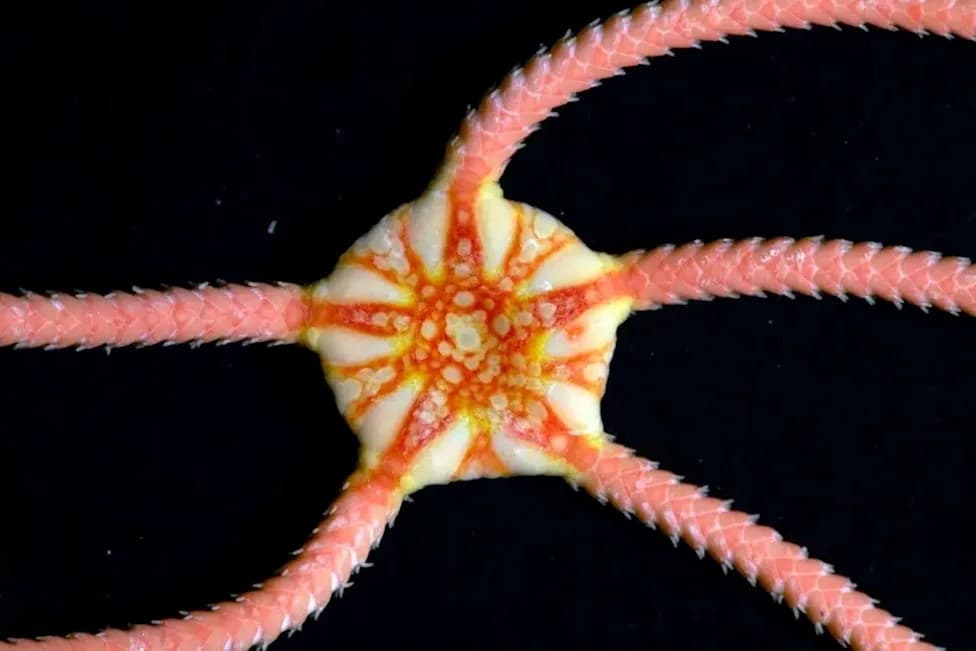
A small ribbon worm found in the waters of Timor-Leste. | The Nippon Foundation-Nekton Ocean Census/Gustav Paulay
What the Census Found
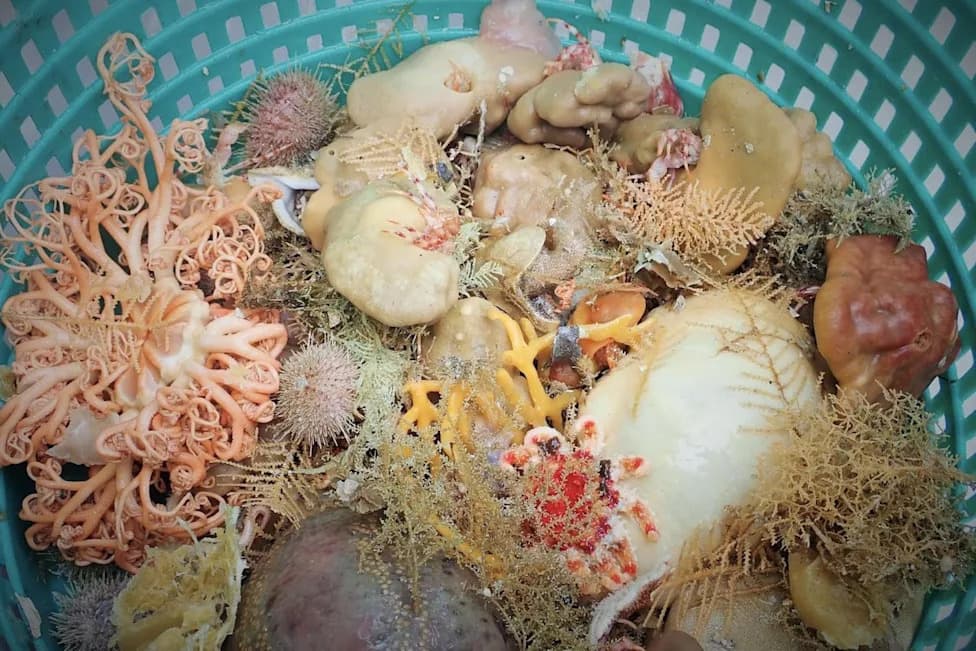
The Ocean Census used submersibles, high‑resolution cameras and taxonomic expertise to survey remote ocean regions. The reported discoveries span a wide variety of life: tiny ribbon worms that may use chemical defenses, a newly seen chimaera or 'ghost shark' off Australia, unfamiliar rays and catsharks, carnivorous sponges with Velcro‑like hooks that trap prey, and colonies of sea pens far below the surface.
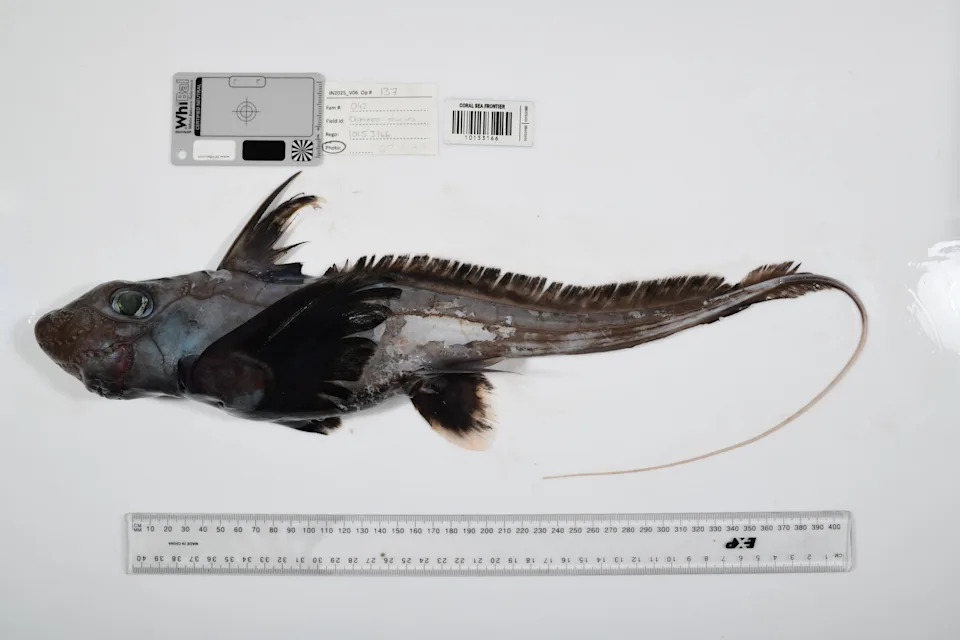
A potentially new species of chimaera found in Australia’s Coral Sea Marine Park. | The Nippon Foundation-Nekton Ocean Census/CSIRO
Why These Finds Matter
Despite the public sense that Earth is well mapped, scientists estimate that a large share of animal species—perhaps as many as 90 percent—remain undescribed. Documenting candidate species is the first step toward understanding biodiversity, potential new medicines (many marine toxins are pharmacologically promising), and conservation priorities.
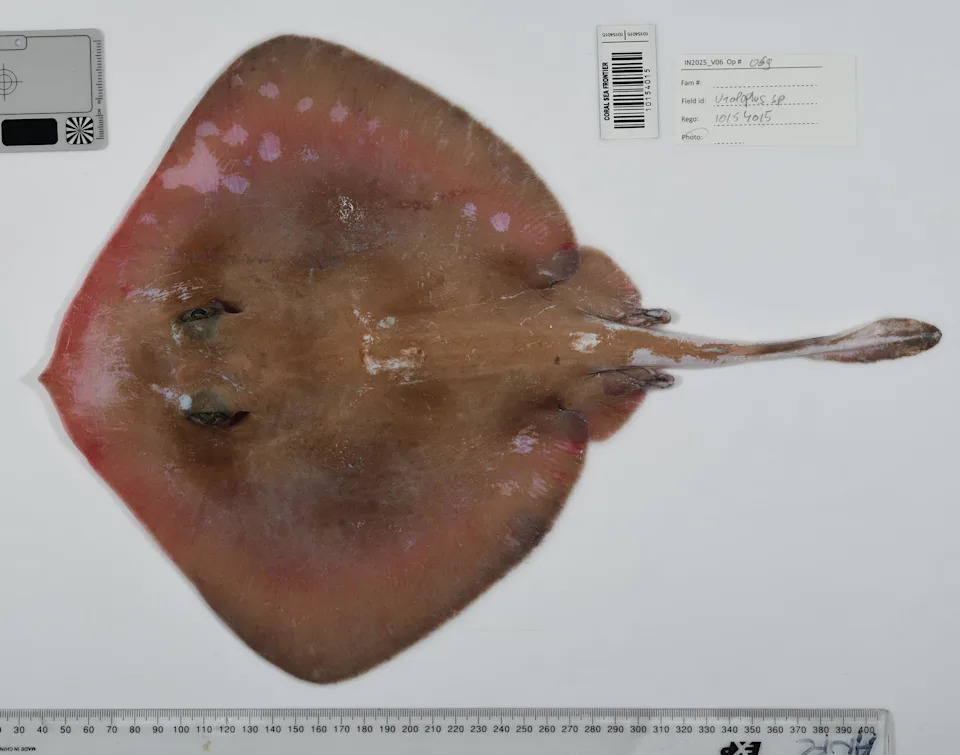
An unknown species of ray found in Australia’s Coral Sea Marine Park. | The Nippon Foundation-Nekton Ocean Census/CSIRO
"This is really a planetary blindspot," said Oliver Steeds, director of the Ocean Census and founder and CEO of Nekton.
Discovery Versus Formal Description
Important caveats apply. Recording or collecting a specimen is not the same as formally describing a species. Taxonomists must check museum collections and literature, analyze anatomy and genetics, and publish a peer‑reviewed description and name before a species is officially recognized.
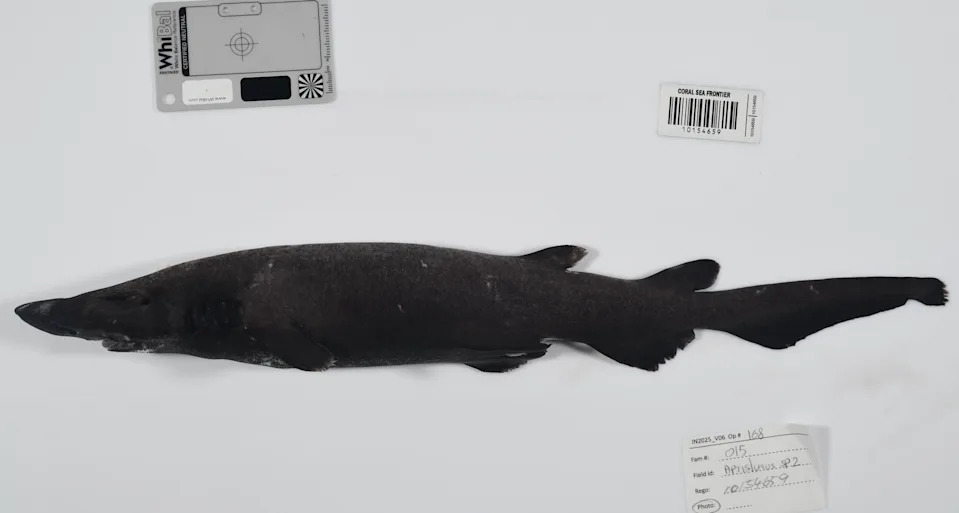
A catshark in the genus Apristurus, also found in Australian waters. | The Nippon Foundation-Nekton Ocean Census/CSIRO
Experts emphasize that many of the 1,121 candidate species have not yet completed that formal process. Greg Rouse, a marine taxonomist at Scripps Institution of Oceanography, notes that the Ocean Census discoveries are preliminary until they undergo rigorous taxonomic scrutiny. On average, the time from collection to formal description is about 13 years, and some species could go extinct before they are officially named.
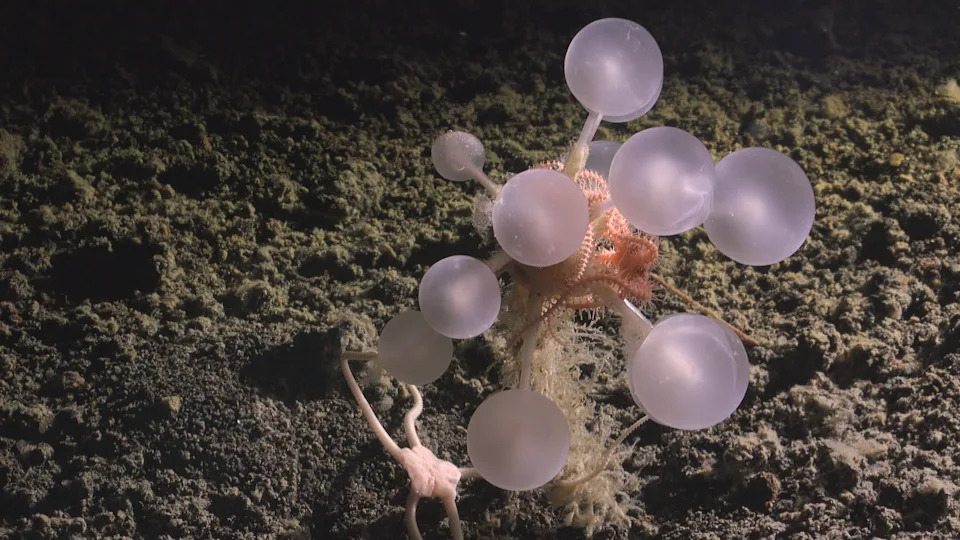
A potentially new species of ping-pong ball sponge discovered in the South Atlantic Ocean. | ROV SuBastian/Schmidt Ocean Institute
"The formal description process carries out the actual work to confirm novelty and provides the 'passport' for that new species — its official record," said Tammy Horton of the UK National Oceanography Centre.
Next Steps and Conservation Implications
Ocean Census leaders say their role is to accelerate discovery and provide specimens and imagery that taxonomists can study and formally describe. Once species are named and documented in the scientific record, they become easier to study, monitor and — where needed — protect under conservation laws.
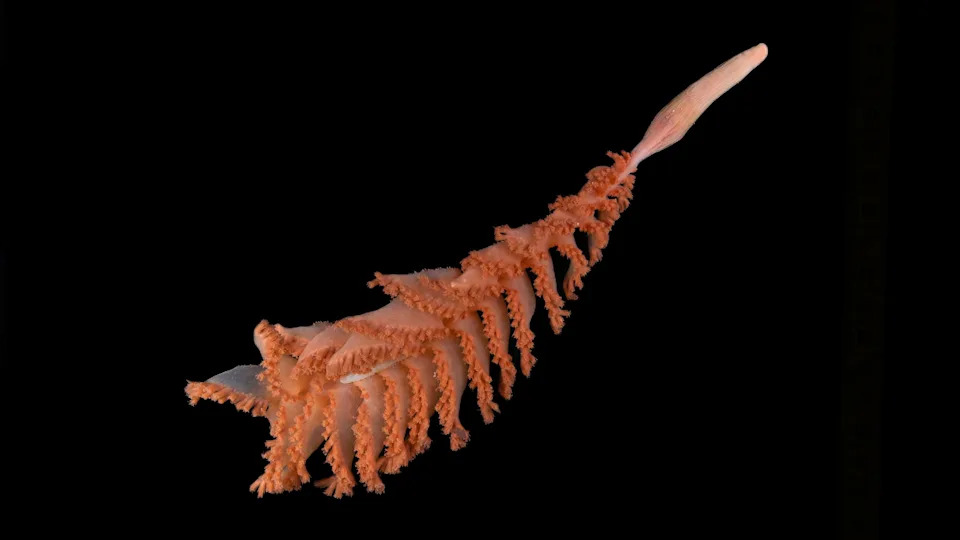
A recently discovered coral-like organism called a sea pen. | Paul Satchell/The Nippon Foundation-Nekton Ocean Census/Schmidt Ocean Institute
Above all, these findings underscore how much of the ocean remains unexplored. That mystery is both a scientific opportunity and a conservation challenge.
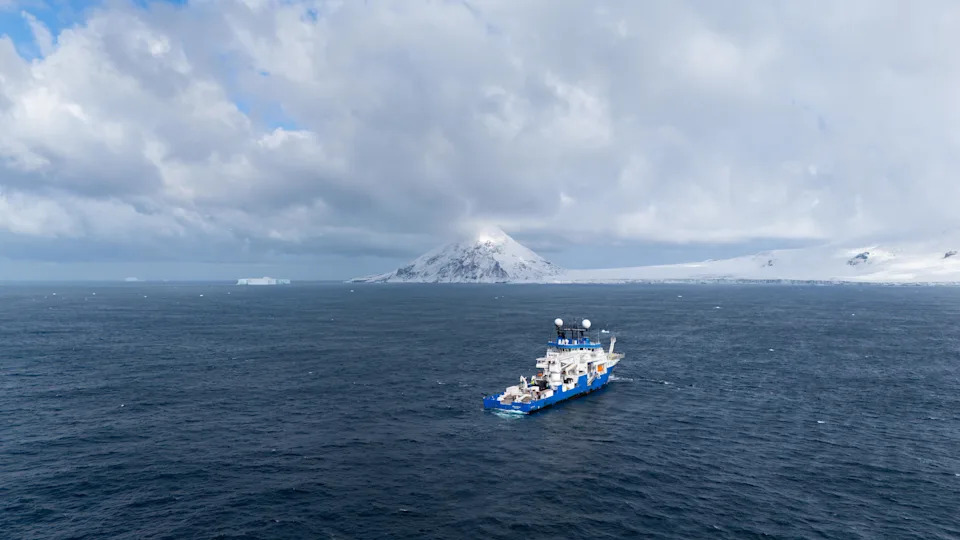
An expedition vessel run by the research organization Schmidt Ocean Institute in the South Sandwich Islands, where many of the potentially new species were discovered. | Schmidt Ocean Institute
Key partners: Ocean Census (Nekton and The Nippon Foundation). Key experts quoted include Oliver Steeds, Greg Rouse and Tammy Horton.
Help us improve.