Quick Take: A high-profile stumble by Ala Stanford over the question of abolishing ICE crystallized a broader Democratic divide over immigration enforcement. The deaths of two protesters in Minnesota and a YouGov poll showing strong abolitionist sentiment among Democrats have intensified primary fights. Pop-up PACs and partisan messaging magnify the stakes, leaving the party without a unified, defensible position for general-election voters.
Trapped Under ICE: How the 'Abolish ICE' Fight Is Reshaping Democratic Primaries
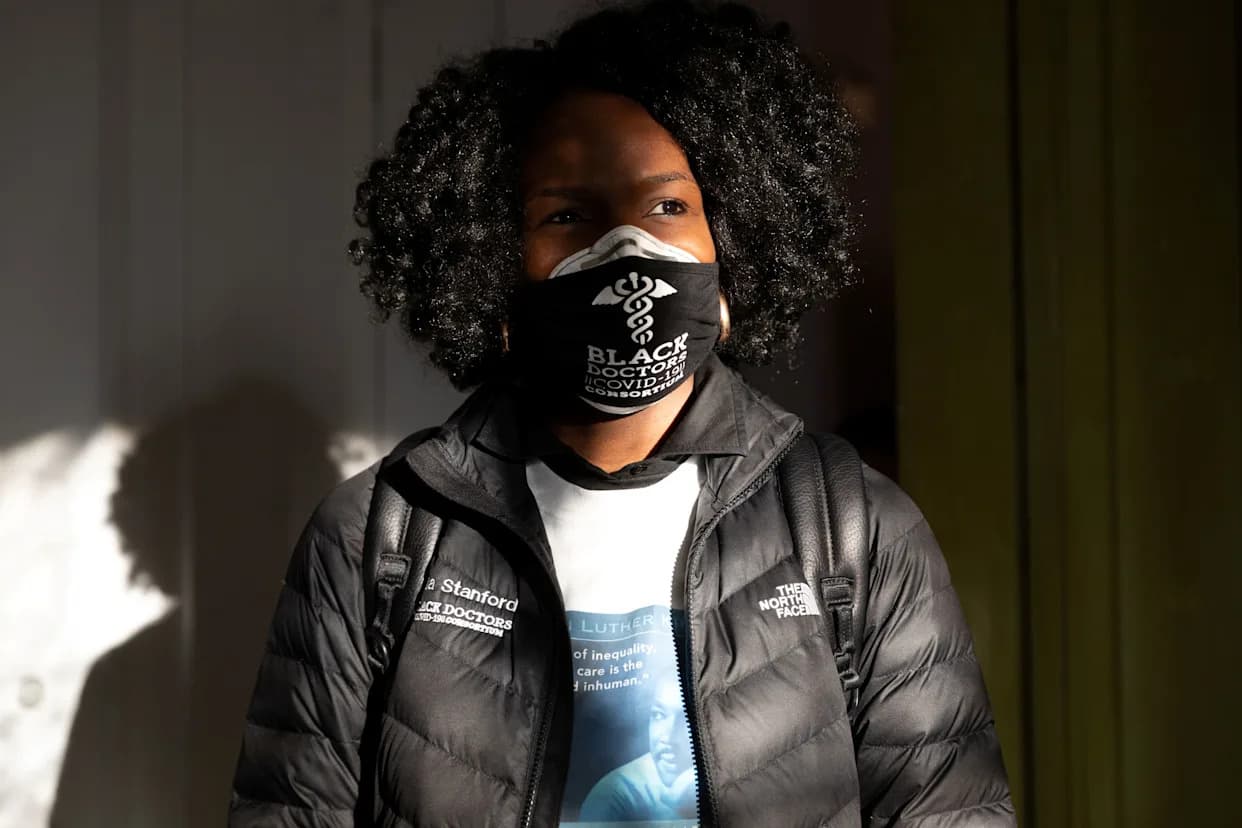
PHILADELPHIA — The debate over U.S. Immigration and Customs Enforcement (ICE) has become a defining fault line in Democratic primaries, reshaping races from deeply blue districts to competitive battlegrounds. A high-profile misstep by Ala Stanford has crystallized the stakes in Pennsylvania’s 3rd District, helping Rep. Chris Rabb while exposing broader tensions within the party over immigration policy and political messaging.
Stanford’s Gaffe and the Local Fallout
The race for Pennsylvania’s 3rd District pits Chris Rabb against state Sen. Sharif Street and Ala Stanford, the founder of a group that delivered COVID vaccines to Black Philadelphians. Stanford won early attention and D.C.-based backing for her personal story, but on April 24 she struggled when an NBC affiliate asked about abolishing ICE.
"That’s a good question, and you can, um, pause, because I just want to think about it for a minute," Stanford said, later adding that "once you abolish, you have to rebuild."
The clip damaged her campaign and led her to withdraw from a scheduled debate, turning a complex policy question into a political liability.
Why ICE Is Electrifying Primaries
Four months after the deaths of two protesters in Minnesota at the hands of ICE agents, the 24-year-old agency’s future is a heated topic in Democratic primaries. For many voters and activists the killings sharpened long-standing concerns about ICE’s tactics and oversight. Strategists warn that the debate is increasingly being set by Republican messaging, short-lived conservative PACs, and progressive litmus tests before the party coalesces around a clear, defensible stance for general elections.
Political Consequences Across Races
Last year’s GOP tax package included a $75 billion allocation for ICE over four years — a fact Democrats have highlighted while also seeing votes on a non-binding pro-ICE resolution become campaign liabilities. Several incumbents who supported a resolution expressing "full support for ICE agents, officers, and staff performing their law enforcement duties" have been attacked in primaries for that vote.
In Minnesota, Lt. Gov. Peggy Flanagan has criticized Rep. Angie Craig over such votes even as some national Democrats view Craig as a strong Senate contender. In Michigan, Rep. Haley Stevens has faced progressive challengers who cite her vote for the same resolution. At the same time, allied groups have tried to help these incumbents with ads praising their records — sometimes creating openings for opponents to reframe those spots as evidence of being out of step with progressive primary voters.
Pop-Up PACs, Messaging Battles, and Accusations
Secretive or short-lived groups have intensified the conflict by amplifying abolitionist messages or portraying moderate Democrats as insufficiently progressive. Lead Left PAC, which some Democrats suspect is a GOP-funded pop-up, has promoted challengers in Pennsylvania’s 7th District and Texas’s 35th District with messaging that emphasizes ICE abolition. In one mailer shared with Semafor, a candidate was said to "permanently dismantle ICE" and to pursue prosecutions of agents tied to family-separation policies — rhetoric that can both energize primary voters and be weaponized by opponents in general-election messaging.
Where Candidates Stand
Chris Rabb answered the abolition question directly: he supports abolishing ICE and argued that many of its detention practices and enforcement structures were built up after the 1990s and especially after 9/11. As Rabb put it, "We didn’t have immigrant detention centers, which are essentially concentration camps, before 9/11," and he criticized bipartisan policies that he says enabled today’s enforcement apparatus.
Republicans have seized on these divisions. The NRCC warned that Democrats being "dragged so far left" on policing and immigration will be vulnerable in general elections, part of a broader GOP strategy to nationalize primary fights and portray Democratic nominees as extremes on law enforcement.
The Broader Democratic Dilemma
Two linked problems are apparent inside the party: a substantive disagreement over what immigration enforcement should look like after Donald Trump, and a failure to articulate a unified, practical alternative to ICE that can be defended to general-election voters. Progressives who call for dismantling ICE often enjoy the clearer message and advantage in primaries, while centrists who supported pro-ICE resolutions or voted for measures viewed as law-and-order have been vulnerable to left-wing challengers.
What This Means Going Forward
The ICE debate will likely continue to shape nomination fights this year. Candidates and party leaders who want to avoid giving Republicans easy general-election attacks need to develop a coherent, communicable approach to immigration enforcement — one that addresses abuses while also answering voters’ concerns about safety and border management. Until Democrats resolve that tension publicly, expect more primary skirmishes, campaign ads, and strategic maneuvering from both sides.
Note: This article summarizes reported developments in Democratic primaries and public polling and presents perspectives from multiple political actors cited in campaign coverage.
Help us improve.