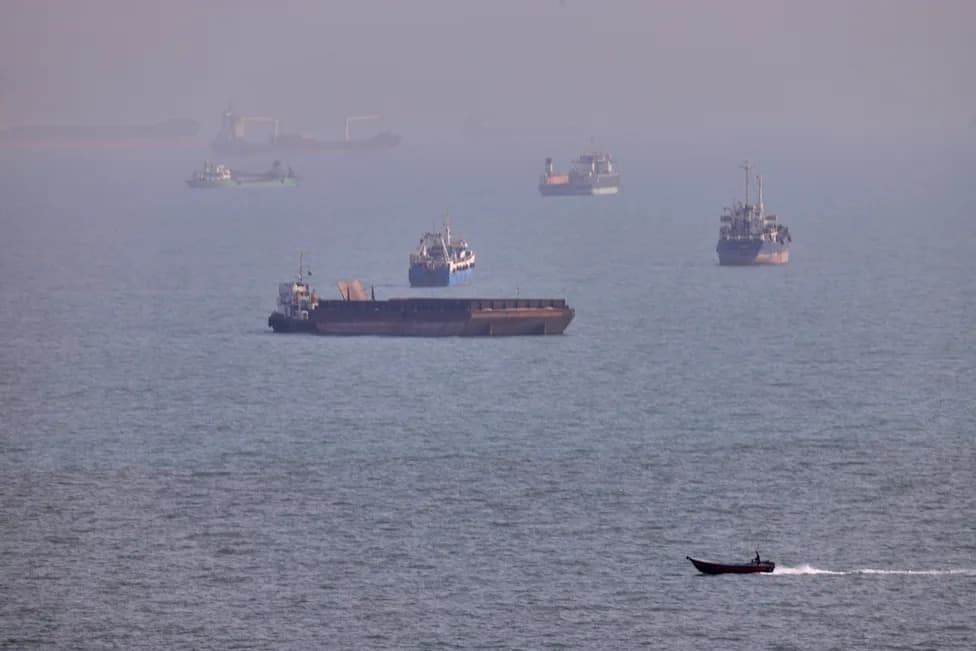
The unclaimed drone strike near the Barakah nuclear plant in Abu Dhabi marks the first known attack on an Arab nuclear facility, causing a fire but no injuries or radiation leak. Analysts view the incident as a symbolic warning intended to demonstrate regional vulnerability while preserving room for diplomatic de-escalation amid US-Iran talks. Responsibility has not been publicly confirmed, though Iran or Iran-aligned proxies are suspected; the strike is likely to harden Abu Dhabi’s security posture without immediately triggering open escalation.
Drone Strike on Barakah Nuclear Site Signals Gulf Vulnerability, Analysts Say
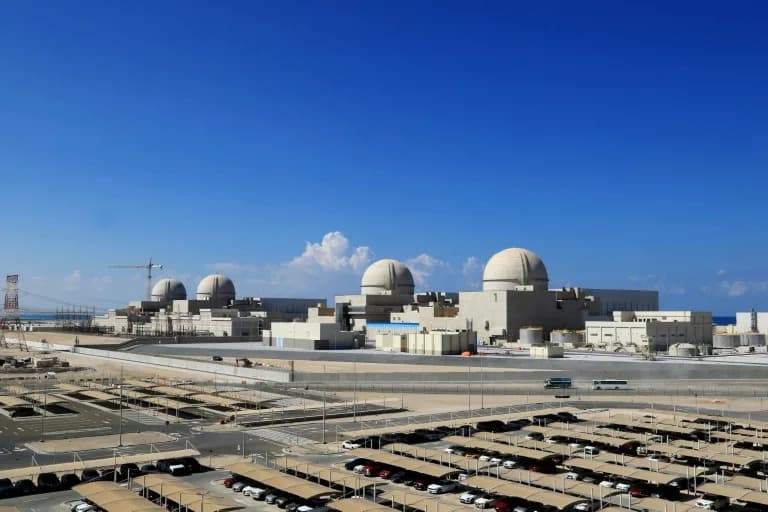
An unclaimed drone struck an electrical generator on Sunday near the Arab world's first nuclear power plant Barakah in the emirate of Abu Dhabi, triggering a fire but causing no injuries or radiation impact (-)(-/Barakah Nuclear Power Plant/AFP)
An unclaimed drone struck an electrical generator near the Barakah nuclear power plant in Abu Dhabi on Sunday, igniting a fire but causing no injuries or radiation leak, officials said. The incident is the first known attack aimed at an Arab nuclear facility and has been widely described by analysts as a symbolic warning to the United Arab Emirates and its regional partners.
What happened: Drones crossed the UAE's western border and hit a generator close to the Barakah complex. Emirati authorities say the strike caused a fire but no casualties and no radiological contamination. The UAE has not publicly made a formal attribution, though a senior Emirati official suggested Iran or a regional proxy may have been involved.
Significance and Context
Security experts say the strike appears calibrated to send a political message while avoiding mass casualties or a nuclear safety crisis. Barakah, the Arab world’s only commercial nuclear power plant, supplies about a quarter of the UAE’s electricity, making it a sensitive and high-profile target.
“This is highly significant symbolically, even if the physical damage appears limited,” said Andreas Krieg, a security expert at King’s College London. He called the incident "both a major escalation and a warning shot."
Analysts note the attack comes amid heightened tensions after strikes on Iran earlier this year by the US and Israel and during ongoing US-Iran diplomacy aimed at limiting wider regional escalation. Iran and Iran-aligned groups have previously struck Gulf energy and economic infrastructure; nuclear sites had largely been treated as off-limits until now.
Possible Motives and Regional Impact
Observers suggest several motives: signalling displeasure with the UAE’s closer ties to the US and Israel, demonstrating the ability to reach high-value targets, or using the incident as leverage in behind-the-scenes negotiations. If responsibility were confirmed to lie with Tehran or allied groups such as the Houthis in Yemen or Shia militias in Iraq, analysts say the strike could represent a calibrated step to pressure Gulf states without triggering full-scale retaliation.
Diplomatic restraint: Emirati officials have so far been cautious in public attribution. Analysts say this restraint is often intentional to preserve diplomatic room for de-escalation and avoid being drawn into an immediate military response.
Despite the limited physical damage, the raid is expected to push Abu Dhabi toward stronger defenses and closer security coordination with external partners, while still trying to avoid open escalation unless supported by powerful allies.
Broader Takeaways
Domestic Iranian media had previously listed power plants as potential targets, including Barakah, suggesting the facility had been on Tehran’s radar. The attack is likely to harden the UAE’s security posture and could reshape regional risk calculations if similar strikes continue.
Reporting contributions from regional security analysts and official UAE statements. aya-ml/jfx/dc
Help us improve.