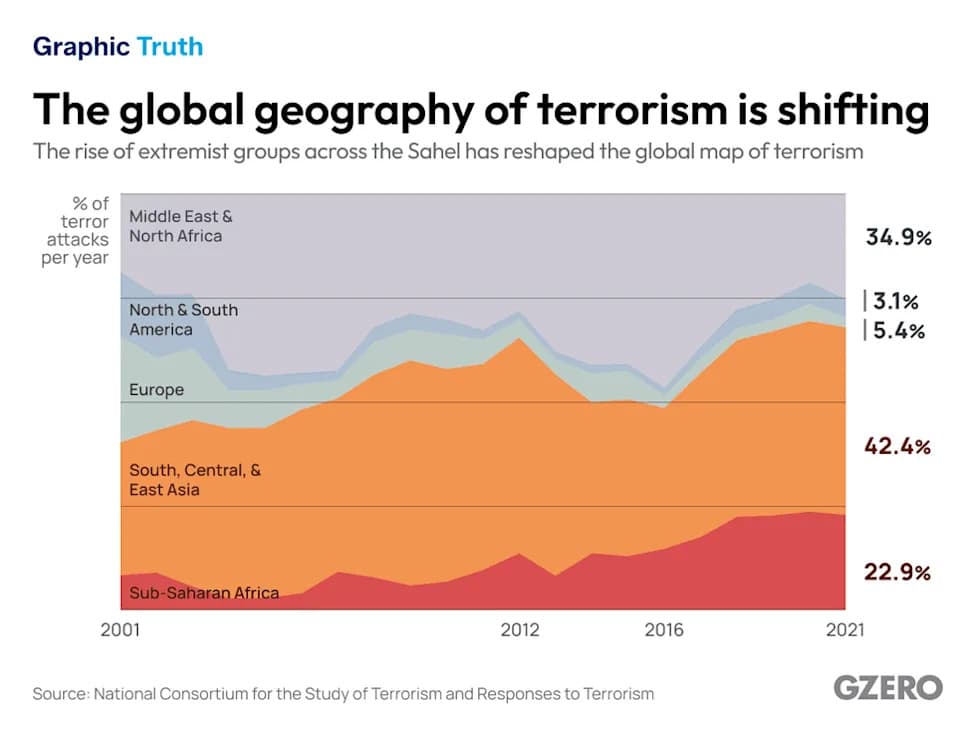
Abu-Bilal al-Minuki, the Islamic State’s shadow commander in West Africa, was killed on May 16 in a precision strike in Metele, Borno State, after persistent human intelligence helped locate him. The operation, carried out between midnight and 4 a.m., is being called one of the most significant blows to ISWAP in recent years. Analysts warn that leadership, funding and operations have shifted toward Africa, which now hosts the majority of global ISIS activity. Despite the strike, the group’s overall leader, Abu Hafs al-Hashimi al-Qurashi, remains at large.
U.S. Strike Kills ISIS West Africa ‘Shadow Commander’ in Major Blow as Africa Becomes Group’s Epicenter
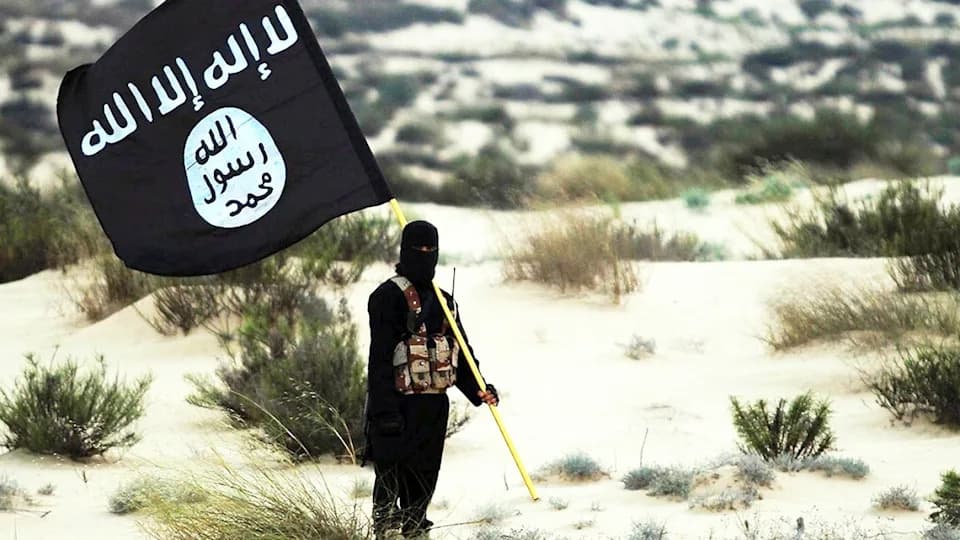
Abu-Bilal al-Minuki, ISIS’s shadow commander in West Africa, was killed May 16.(Getty Images)
Abu-Bilal al-Minuki, long described as the Islamic State’s shadow commander in West Africa, was killed on May 16 in a precision operation in Metele, Borno State, Nigeria. Analysts say the strike — carried out between midnight and 4 a.m. — was enabled by persistent human intelligence and represents a significant disruption to ISWAP operations across the Lake Chad Basin.
Strike Details
The Nigerian army called the action "a meticulously planned and highly complex precision air-land operation." U.S. Africa Command (AFRICOM) and Nigerian military communications placed the strike in northeastern Nigeria’s Metele area. Sources told news outlets the operation penetrated decades-long local protections that had shielded senior militants.
How He Was Located
Dr. Omar Mohammed, Senior Research Fellow at the GW Program on Extremism, told Fox News Digital that the intelligence behind the operation relied heavily on human sources (HUMINT). "There is no single ISIS ‘headquarters’ in Nigeria; ISWAP operates dozens of small, shifting camps scattered across the Lake Chad islands and the Borno bush," he said. He added that al-Minuki likely avoided electronic traces by using couriers and constant movement, but persistent human reporting eventually produced patterns that exposed him.
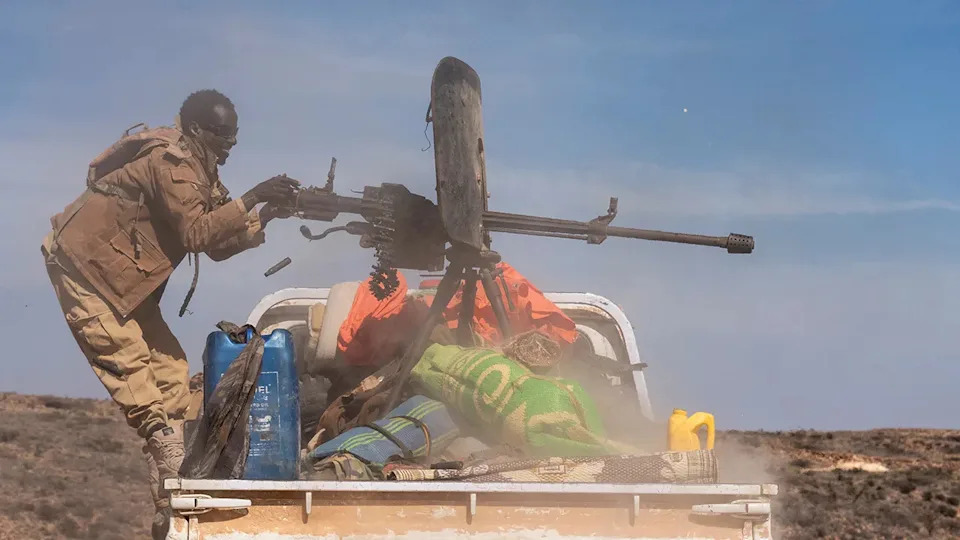
ISIS caliph Abu Hafs al-Hashimi al-Qurashi is believed to have fled to Somalia's semi-autonomous Puntland region.
Leadership And The Shift To Africa
Although al-Minuki’s death is seen as one of the most significant blows to ISIS’s global leadership since the 2019 raid that killed Abu Bakr al-Baghdadi, the group’s overall leader, Abu Hafs al-Hashimi al-Qurashi, reportedly remains at large. Analysts say leadership, finances and operational direction have been shifting toward Africa for years, with ACLED data indicating more than two-thirds of global Islamic State activity now occurs on the continent.
Why This Matters
Experts warn that local, extractive funding mechanisms — including taxation, ransom and smuggling — make regional ISIS networks resilient. While the loss of a senior commander disrupts operations and sends a tactical message, analysts caution that the organization’s decentralised structure and deep local roots mean sustained pressure, not single strikes, will be required to degrade the network long-term.
Key quote: "Time generates patterns, and human sources are extremely difficult to defeat," Dr. Mohammed said, explaining how carefully protected targets can be exposed over time.
The operation underscores both the potential and the limits of targeted strikes: they can remove key figures and disrupt plots, but do not by themselves eliminate the spatially dispersed, locally embedded networks that now constitute much of ISIS’s global activity.
Help us improve.