May 17 (Reuters) - The World Health Organization (WHO) on Sunday declared the Ebola outbreak affecting eastern Democratic Republic of Congo (DRC) and Uganda a public health emergency of international concern.
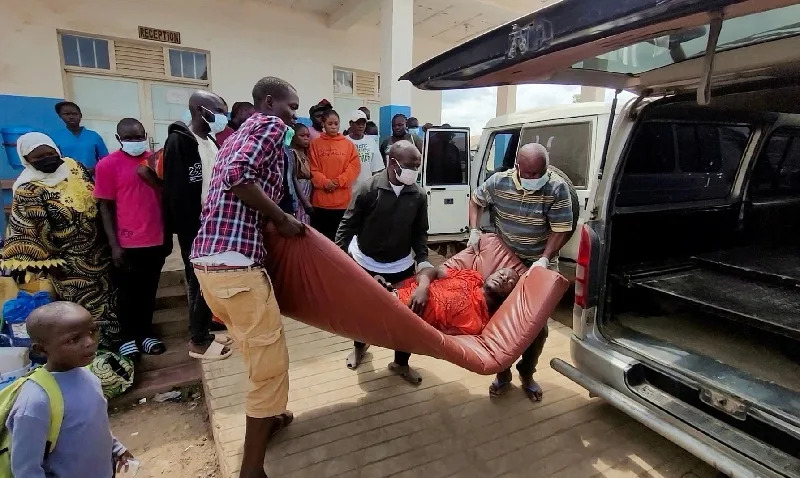
A man is carried from an ambulance as he arrives at Bunia General Referral Hospital following confirmation of an Ebola outbreak involving the Bundibugyo strain in Bunia, Ituri province, Democratic Republic of Congo, May 16, 2026. Picture taken with a mobile phone. REUTERS/Victoire Mukenge
The outbreak is caused by the Bundibugyo virus. Unlike Ebola‑Zaire strains, Bundibugyo currently has no approved virus‑specific therapeutics or vaccines, making the situation especially concerning for health authorities.
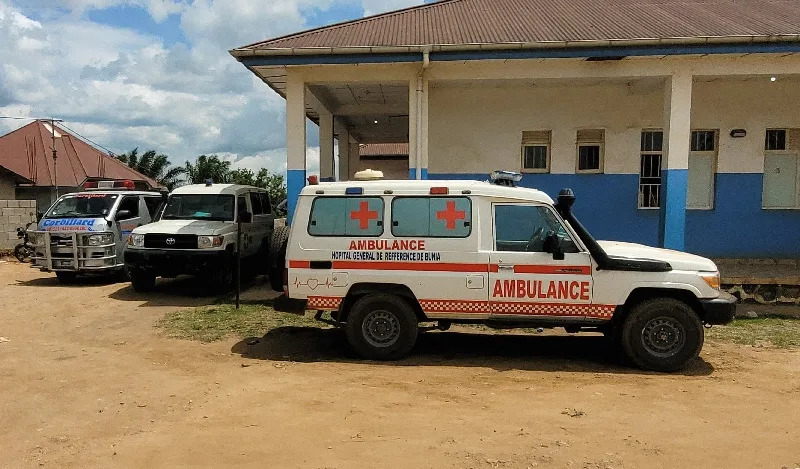
Ambulances parked at Bunia General Referral Hospital following confirmation of an Ebola outbreak involving the Bundibugyo strain in Bunia, Ituri province, Democratic Republic of Congo, May 16, 2026. Picture taken with a mobile phone. REUTERS/Victoire Mukenge
As of Saturday, health officials reported 80 suspected deaths, 8 laboratory‑confirmed cases, and 246 suspected cases in Ituri province in eastern DRC, spanning at least three health zones: Bunia, Rwampara and Mongbwalu. The DRC health ministry had earlier reported the 80 suspected deaths.
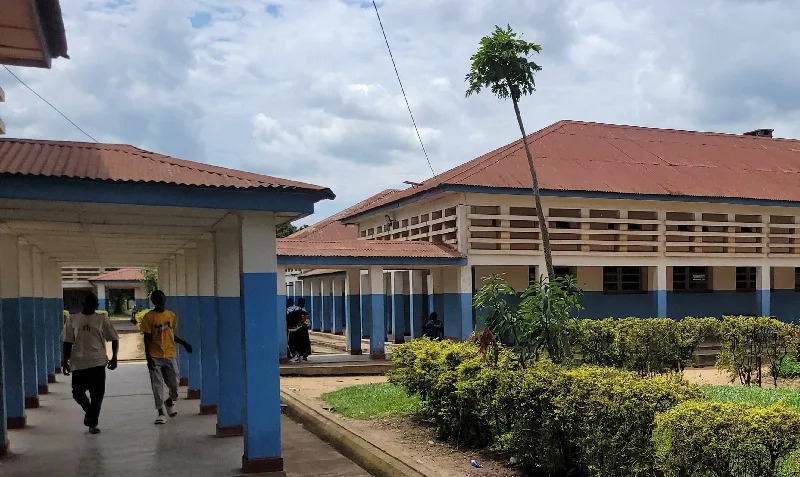
People walk at Bunia General Referral Hospital following confirmation of an Ebola outbreak involving the Bundibugyo strain in Bunia, Ituri province, Democratic Republic of Congo, May 16, 2026. Picture taken with a mobile phone. REUTERS/Victoire Mukenge
The WHO warned the outbreak could be substantially larger than current counts indicate given a high positivity rate in initial samples and a rising number of suspected cases. The agency said some instances of international spread have already been documented.
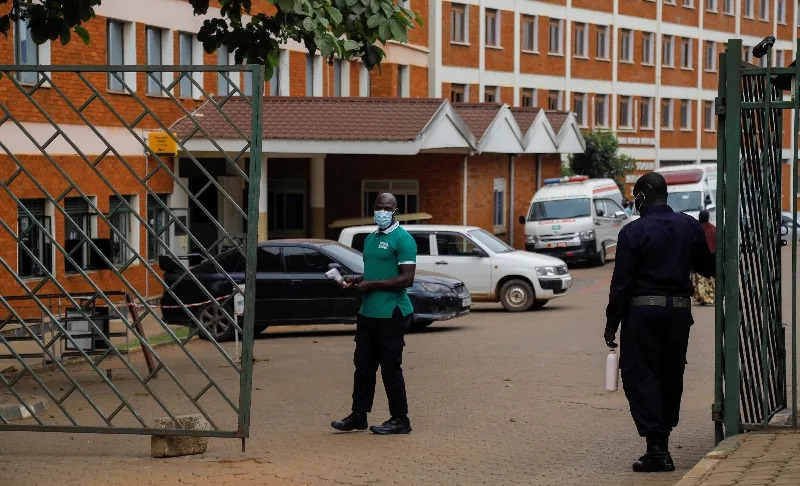
Workers stand guard at the gate of the Kibuli Muslim Hospital where a Congolese man died of Ebola Bundibugyo virus in Kibuli suburb of Kampala, Uganda May 16, 2026. REUTERS/Abubaker Lubowa
Confirmed cases have been reported outside Ituri: two apparently unrelated laboratory‑confirmed cases — including one death — were recorded in Kampala, Uganda, in people who had travelled from the DRC; a laboratory‑confirmed case was also detected in Kinshasa from a person returning from Ituri.
WHO recommendations: Immediately isolate confirmed cases; monitor contacts daily; restrict national movement and prohibit international travel for contacts until 21 days after exposure unless a medical evacuation is required. Countries sharing land borders with the DRC should activate emergency and disaster‑management systems and step up cross‑border and main‑road screening.
The WHO cautioned against blanket border closures or trade restrictions, saying such measures can drive movement into informal, unmonitored crossings and worsen transmission risks. Instead, the agency urged targeted surveillance, rapid testing, safe patient isolation, and coordinated cross‑border public health operations.
Reporting by Disha Mishra and Akanksha Khushi in Bengaluru; editing by William Mallard.