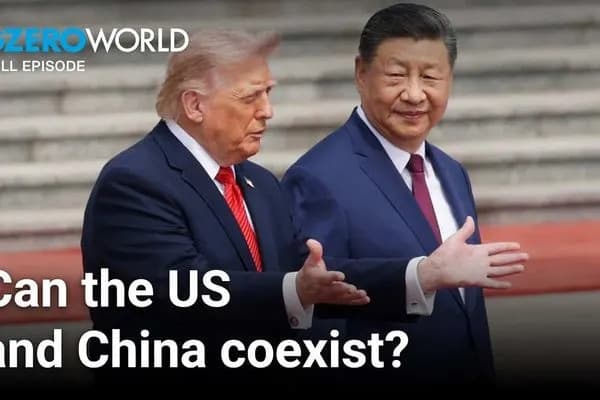
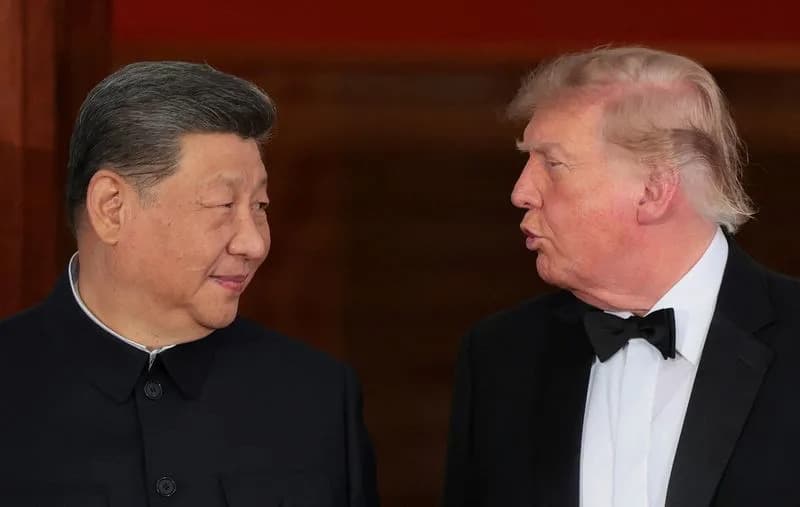
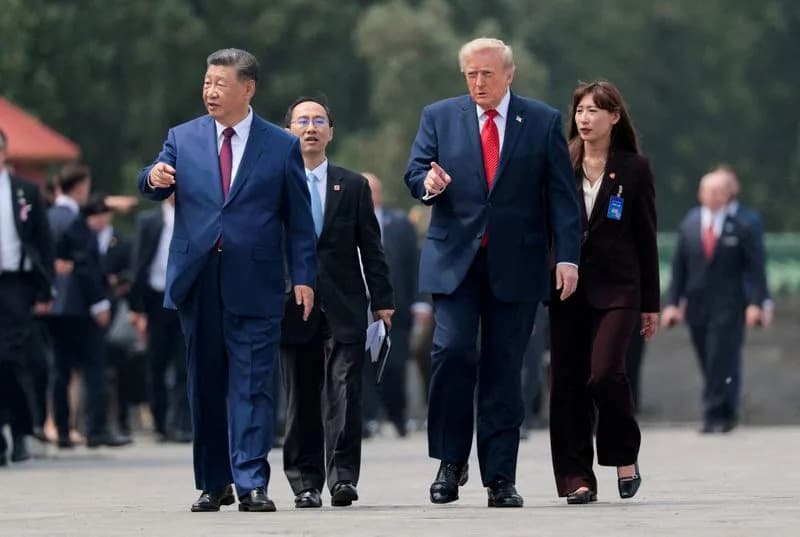
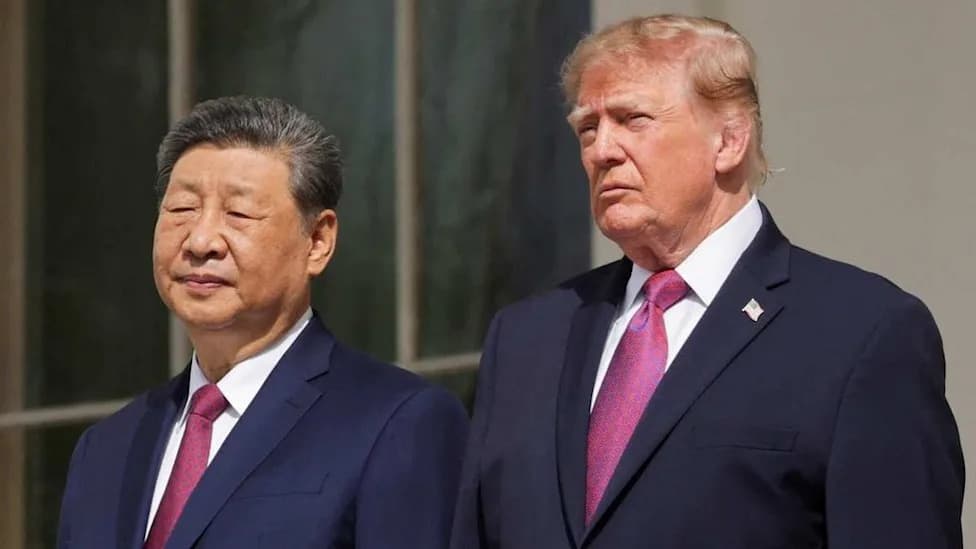
John Lee argues that Xi Jinping’s summit with President Trump exposed unexpected strategic strain in Beijing’s long-promoted narrative of inevitable Chinese dominance. While China built influence by leveraging history and global institutions, Trump’s disruptive actions have unsettled that script. Renewed U.S. and allied rearmament, reindustrialization, and shrinking influence in regions like Latin America and the Middle East have left Beijing more vulnerable and its path to dominance less assured.
After the Trump–Xi Summit, China Appears More Vulnerable Than Expected
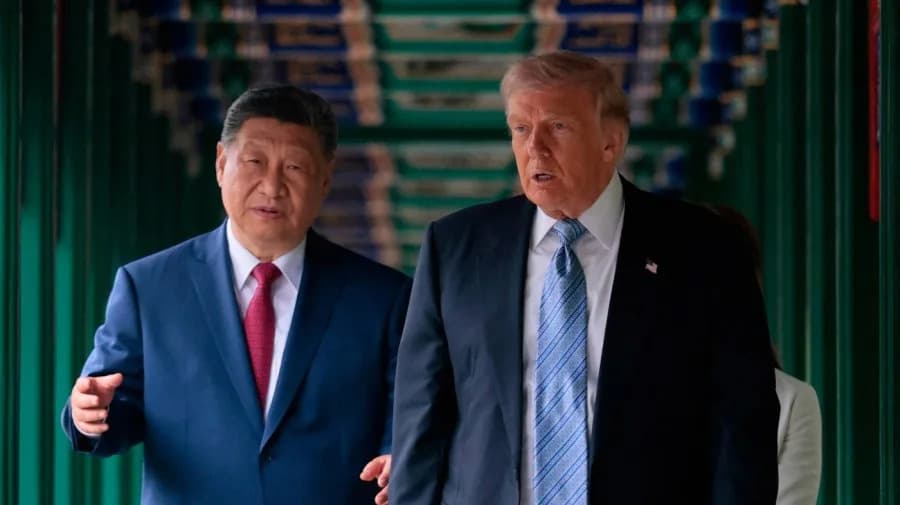
The Chinese Communist Party has long promoted a narrative to non-Western audiences: the United States is in decline, China’s rise is inevitable, and the West’s influence will fade. But Xi Jinping’s meeting with President Trump this week revealed cracks in that story — and left Beijing appearing more on the defensive than many expected.
How Beijing Frames Its Rise
Beijing’s case rests heavily on history. The Chinese leadership invokes the so-called “century of humiliation” at the hands of Western and Japanese powers to justify the Communist Party’s mission to restore China’s stature. Xi’s vision of national rejuvenation portrays the post-World War II order as an accidental, Western-dominated arrangement that China is now rightfully correcting.
Central to that framing is the Bretton Woods system — the dollar-based monetary order and institutions such as the International Monetary Fund and World Bank — which China benefited from after joining the World Trade Organization in 2001. Beijing argues it is reshaping these institutions from within and helping non-Western countries prosper while gradually overtaking U.S. influence.
Why the Narrative Is Under Strain
Xi’s narrative depended on steady geopolitical and economic momentum. But recent developments have complicated that trajectory. President Trump’s unconventional, high-stakes approach to foreign policy and trade has disrupted pillars of Chinese advantage, even when those moves were not explicitly aimed at Beijing.
Key pressures include renewed U.S. and allied rearmament, a U.S.-led push in the Middle East that sidelines Chinese and Russian influence, diminished Chinese sway in parts of Latin America, and an American push to reindustrialize and rebalance trade relationships that had disproportionately favored China.
Domestically, Xi also faces mounting criticism over heavy-handed politics and economic management. While China has expanded influence across Asia, the Middle East and Latin America and cultivated partnerships with Russia, Iran and North Korea, those gains are now being tested by shifting international dynamics and renewed Western cohesion.
Outlook: Disruption Without a Full Reversal
It is still too soon to declare that decades of structural advantages built by China have been fully reversed. Disruptive policies carry costs and risks, and future leaders may chart different courses. Nevertheless, the summit made clear that Xi’s path to assured global dominance is far less certain than his rhetoric suggested.
John Lee, Ph.D. is a senior fellow at the Hudson Institute in Washington, D.C., and a former national security adviser to the Australian government.
Help us improve.