The viral video of a spinning deer in France prompted a police warning about wildlife that may behave unpredictably after eating fermented plants. Natural fermentation in fruits, nectars and fungi can produce ethanol or psychoactive compounds that alter behavior in species ranging from cedar waxwings to elephants and reindeer. Genetic and digestive differences explain why some animals tolerate ethanol better than others, and scientists say most animals seek calories and nutrients—the alcohol is often incidental.
Why Wild Animals Sometimes Get ‘Drunk’ on Nature — From Deer to Elephants
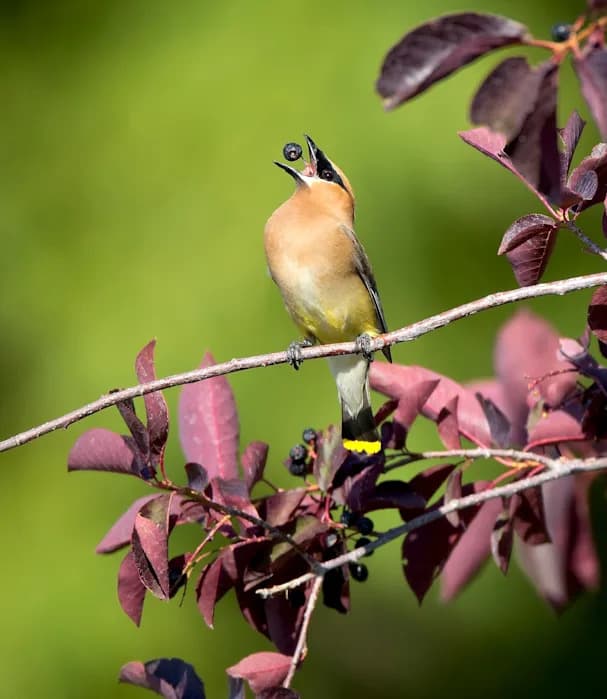
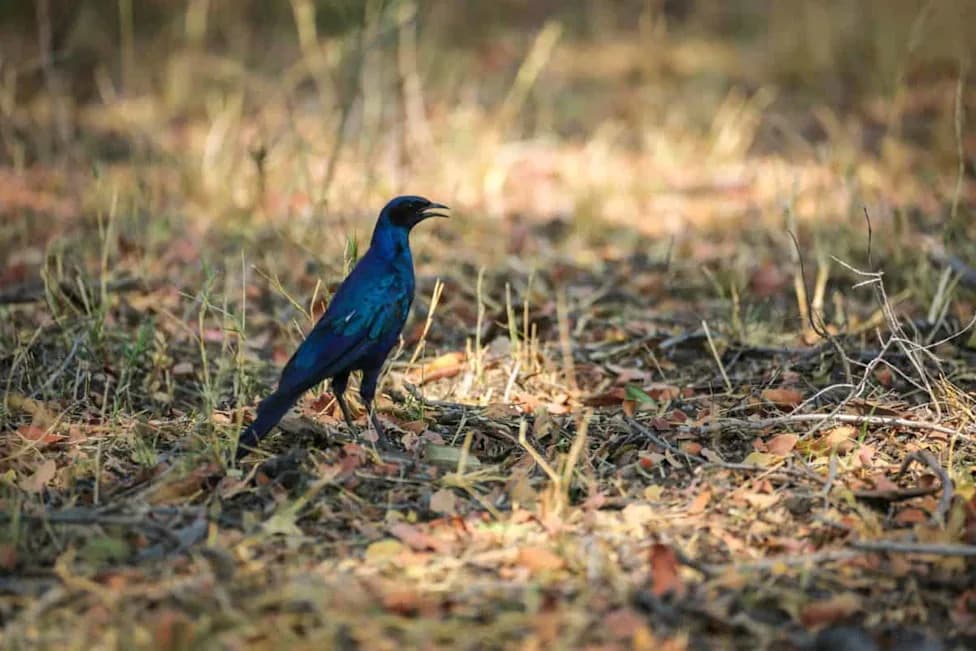
Cedar waxwings eat a lot of berries, which can sometimes become fermented and cause the birds to act disoriented and slow.Photograph By Robbie George, Nat Geo Image Collection
A viral video from rural France shows a deer spinning in circles until it collapses, prompting the Gendarmerie de Saône‑et‑Loire to warn motorists to watch for unpredictable wildlife that may have eaten fermented fruit or other plants.
The police advisory stressed that the footage alone cannot confirm intoxication—injury, disease, or neurological problems could produce similar behavior. Still, getting "drunk" on naturally fermenting foods is a well‑documented phenomenon across many species.
How Natural Fermentation Affects Animals
Fruits, nectars and some fungi can ferment naturally when yeasts convert sugars into ethanol. For animals that feed on overripe fruit or fermenting nectar, ethanol can be an unavoidable byproduct of a caloric food source. In some cases it appears to alter behaviour; in others, species have evolved tolerances.
Cedar Waxwings
Cedar waxwings are North American songbirds that may feed almost exclusively on fruit during certain seasons. Overripe fruit can contain ethanol produced by naturally occurring yeasts, and intoxicated waxwings show slowed reflexes and impaired judgment—making collisions with vehicles, windows or predators more likely. "Alcohol is a neurodepressant... Everything that you would imagine happens when a person is drunk, it happens to animals, too," says Sara Wyckoff, wildlife veterinarian with the Texas Parks and Wildlife Department.
Elephants and Marula Fruit
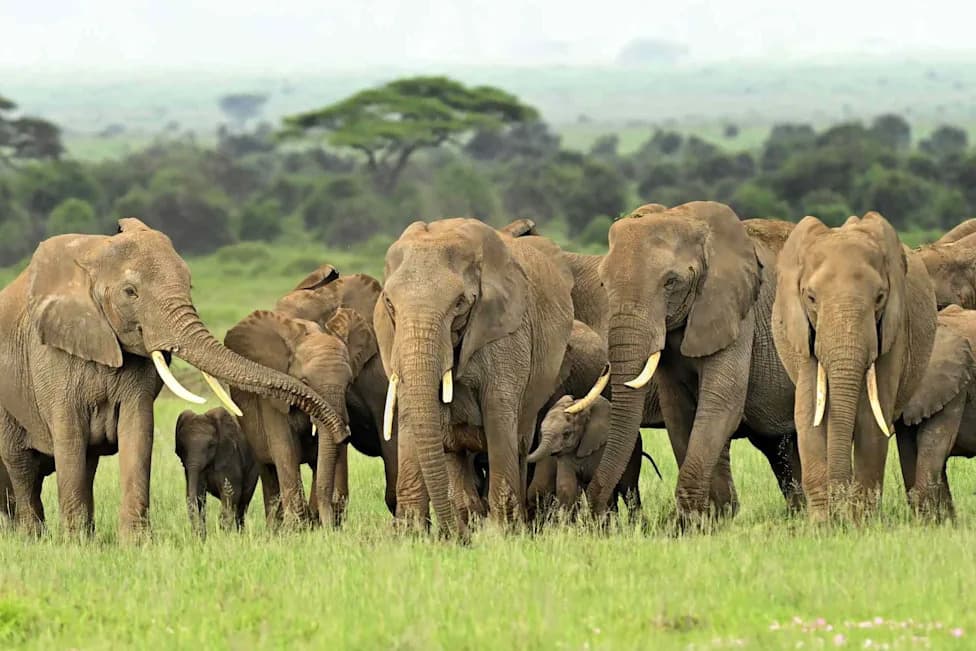
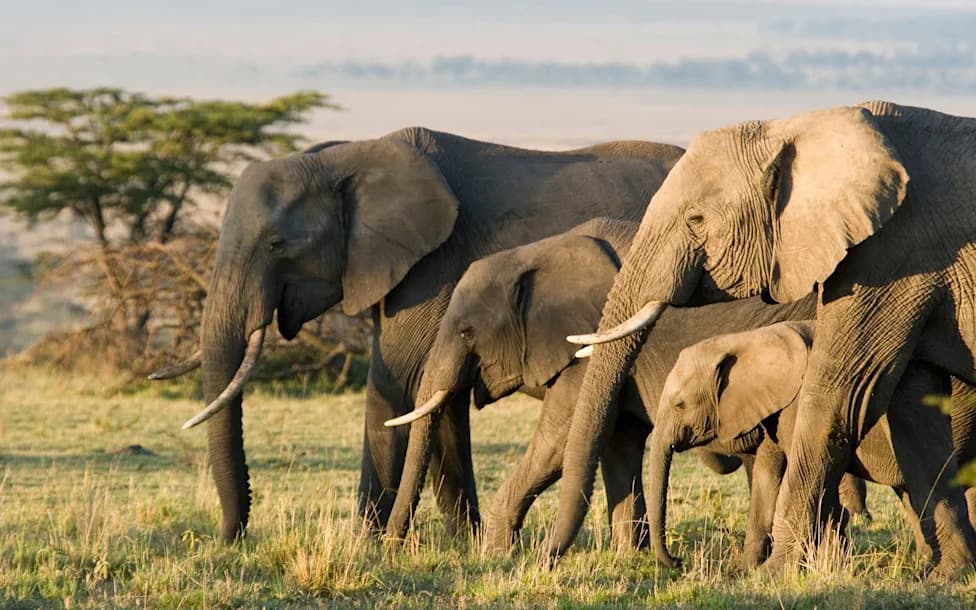
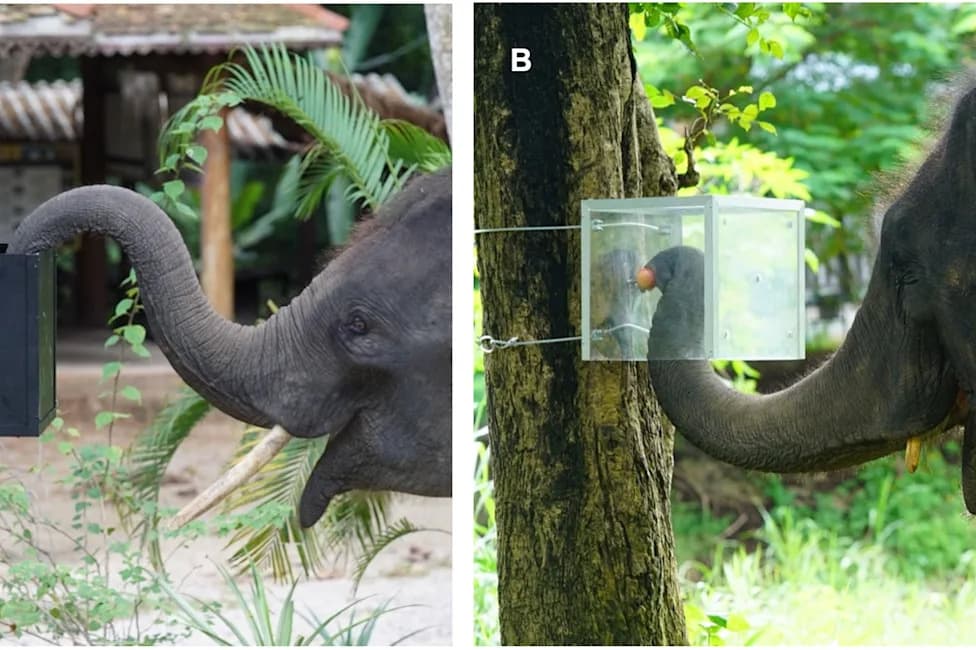
There are many anecdotal and scientific reports of African elephants appearing intoxicated after eating fermented marula fruit. Critics have questioned whether an animal of that size could consume enough ethanol to appear drunk. Genetic research offers context: a 2020 study by Mareike Janiak and colleagues (published in Biology Letters) found wide interspecies variation in alcohol dehydrogenase, the enzyme that breaks down ethanol. Janiak’s work suggests elephants may metabolize ethanol less efficiently than many species, which could make them more susceptible to the effects of naturally occurring alcohol. Yet elephants are likely motivated by calories rather than a desire to drink: "Ethanol production happens when there is sugar, and sugar is energy," Janiak says.
Reindeer and Amanita muscaria
In Siberia, reindeer (caribou in North America) have been observed eating the red-and-white fly agaric mushroom, Amanita muscaria, a psychoactive fungus used historically by some Siberian shamans. Reindeer appear able to consume the toxin-containing fungus without the same severe effects humans experience, likely due to their specialized digestion. Whether the animals experience altered perception is not fully resolved.
Tree Shrews and Bertam Palm Nectar
Several tree shrew species in Southeast Asia subsist largely on nectar from bertam palms. That nectar ferments quickly and can contain more than 3% alcohol. A 2008 study found tree shrews showed no obvious signs of intoxication despite this steady, relatively high‑alcohol diet, and follow-up research indicates other bertam pollinators (squirrels and rodents) are likewise adapted to ethanol in their diets.
Why Animals Eat Fermenting Foods
Researchers generally conclude that animals eat fermenting foods primarily for calories, sugars and nutrients, with ethanol a common side effect. A 2020 review led by Piotr Tryjanowski documented 55 bird species observed consuming alcohol (including semi‑wild birds and pets such as parrots and corvids). Tryjanowski suggests animals may be drawn to these sources for similar reasons humans are drawn to bars—availability, calories and palatability—rather than seeking intoxication per se.
Bottom line: Natural fermentation produces ethanol that can affect animal behavior, but species differences in diet, digestion and genetics determine how noticeable those effects will be.
Original reporting by Carrie Arnold for National Geographic. Editor's note: This story was first posted July 31, 2024, and has been updated.
Help us improve.