Lamar Alexander’s new memoir, The Education of a Senator: From JFK to Trump, chronicles nearly six decades in public life—from a 1963 Justice Department internship to three Senate terms. He praises the government-led development of Covid vaccines, calls the Jan. 6 attack a high crime or misdemeanor and says he would have voted to convict in the second impeachment. Alexander laments Tennessee’s slide back to one-party politics, highlights workforce-development successes such as attracting Japanese automakers, and argues the GOP may eventually return to more traditional, steady leadership.
Lamar Alexander’s Six-Decade Public Life: Memoir, Vaccines, January 6 and the GOP’s Future
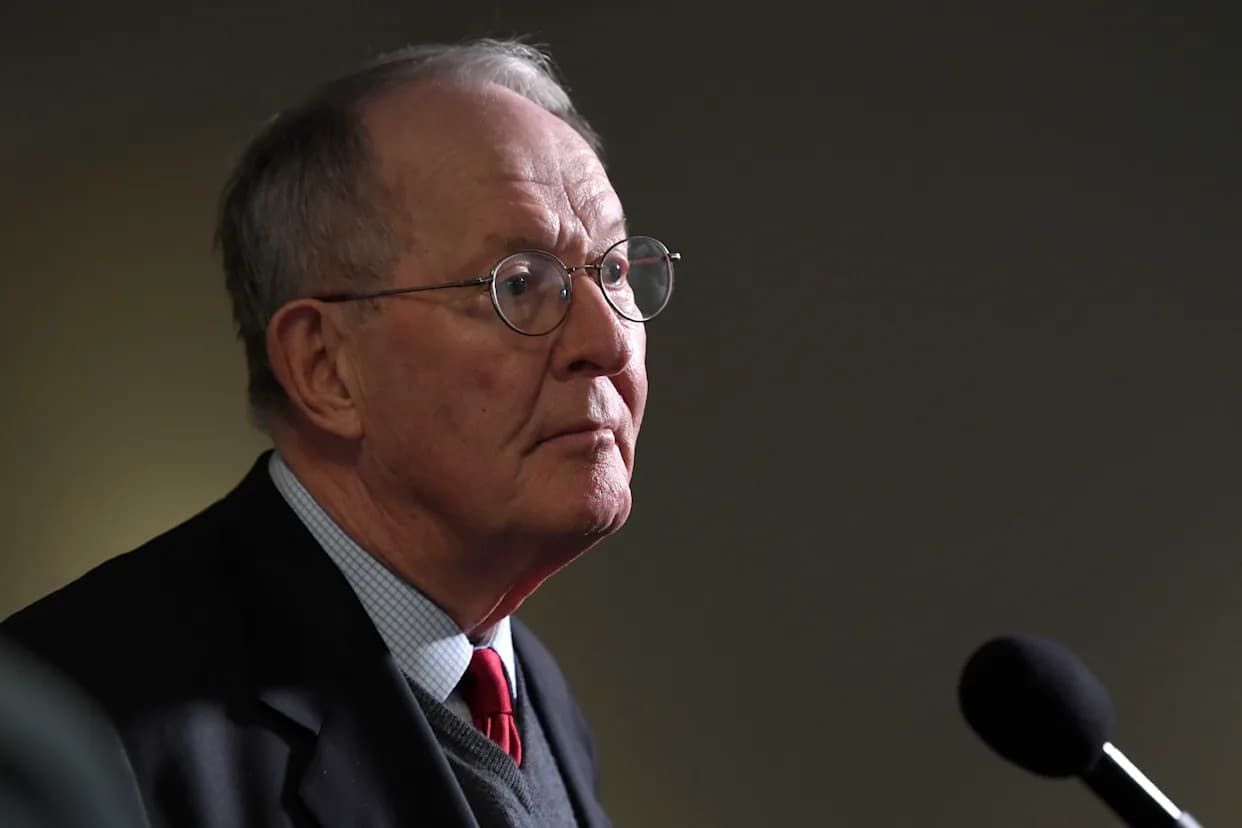
Few Americans have had as long and varied a career in public service as Lamar Alexander. In his new memoir, The Education of a Senator: From JFK to Trump, the Tennessee Republican traces nearly 60 years of work that ranges from a Justice Department internship in 1963 to three terms in the U.S. Senate.
From Serendipity To A Six-Decade Career
Alexander describes a string of chance encounters and mentors that launched his Washington life: a meeting with legendary coach Bud Wilkinson that led to an introduction to Nixon aide Bryce Harlow, a summer internship at the Justice Department while Bobby Kennedy was attorney general, and formative clerkships and campaign work in Tennessee. He notes that, across his long career, he worked for six presidents and moved often from one role to the next.
Reflections On Presidents And Politics
Asked which president showed the most raw talent, Alexander distinguishes types of gifts: he calls Barack Obama "the smartest guy in the room," Bill Clinton "the best politician," and Ronald Reagan "the one who best fit the job." He says he believed he had the experience to be an effective president but accepts that timing and circumstance matter.
Covid Vaccines And The Manhattan Project Comparison
"The astonishing thing to me is that [the Trump administration] doesn't get credit for the invention of the Covid vaccine," Alexander says, calling the government-backed effort comparable to the Manhattan Project in scale and impact.
He praises the rapid development of mRNA vaccines and criticizes later political downplaying of the technology, arguing mRNA will be crucial for future pandemic responses.
January 6 And Accountability
On the Jan. 6 attack, Alexander is unequivocal: he believes refusing to accept certified election results and encouraging a mob to stop the transfer of power meets the standard of "high crimes and misdemeanors," and says he would have voted to convict in the second impeachment.
Mentors, Campaigns And Personal Anecdotes
Alexander recalls three mentors—Judge John Minor Wisdom, Senator Howard Baker and Bryce Harlow—and stories from a long public life: the humiliation of fruitless vice-presidential vetting in 2000, walking across Tennessee and staying with 73 families during his 1978 gubernatorial campaign, and the personal story of the Knight family whose sons later found work at a Nissan plant brought to Tennessee through economic development efforts.
Branding: Plaid Shirts And An Exclamation Point
He credits his wife, Honey, with the idea of walking the state in a red-and-black plaid shirt—the campaign uniform he bought in multiples—and names strategist Mike Murphy as the origin of the "Lamar!" exclamation-point slogan.
Tennessee’s Political Shift And The Case For Broader Primaries
Alexander laments Tennessee's return to one-party dominance after decades of competitive two-party politics, arguing that rivalry attracted talented leaders and yielded better governance. To restore competition, he suggests boosting participation in primaries—now decided by a small share of voters—so the center-left and center-right have a voice in nominations.
Where The GOP Goes Next
Alexander believes there is room in the Republican Party for steadier, traditional figures—governors like Brian Kemp or Glenn Youngkin, he says, could appeal to voters tiring of spectacle. He predicts some swing voters may ultimately prefer a candidate with character, temperament and a demeanor suitable for national leadership.
Conversation Edited For Length And Clarity.
Help us improve.