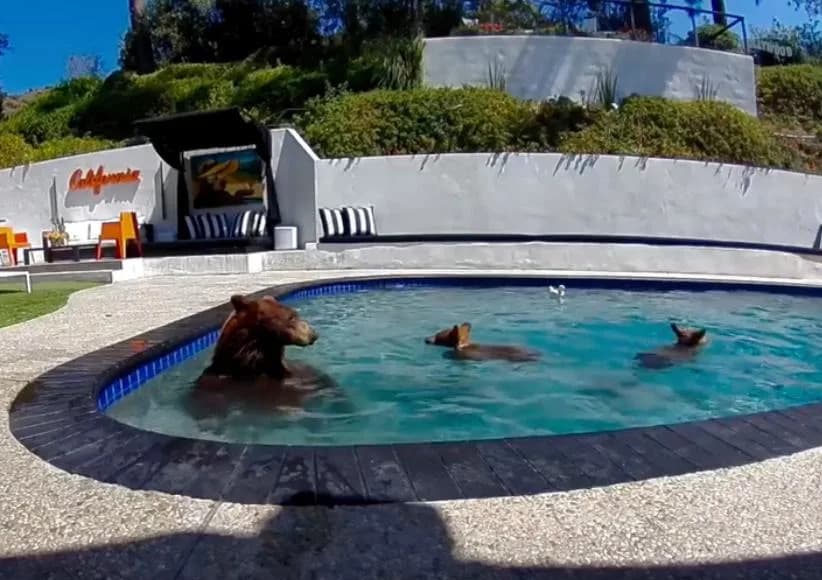
Great Smoky Mountains National Park closed several trails after multiple aggressive black bear encounters, including incidents on Ramsey Cascades Trail that led to the trail remaining closed as of May 14. The park, home to about 1,900 bears and nearly 12 million annual visitors, urges people to stay at least 150 feet from bears and to secure food, trash, and scented items. An unrelated May 6 fatality in Glacier National Park, consistent with a bear encounter, underscores the risks. Park officials are monitoring activity and will reopen trails only when it is safe.
Great Smoky Mountains Closes Trails After Multiple Aggressive Bear Encounters — Ramsey Cascades Remains Closed
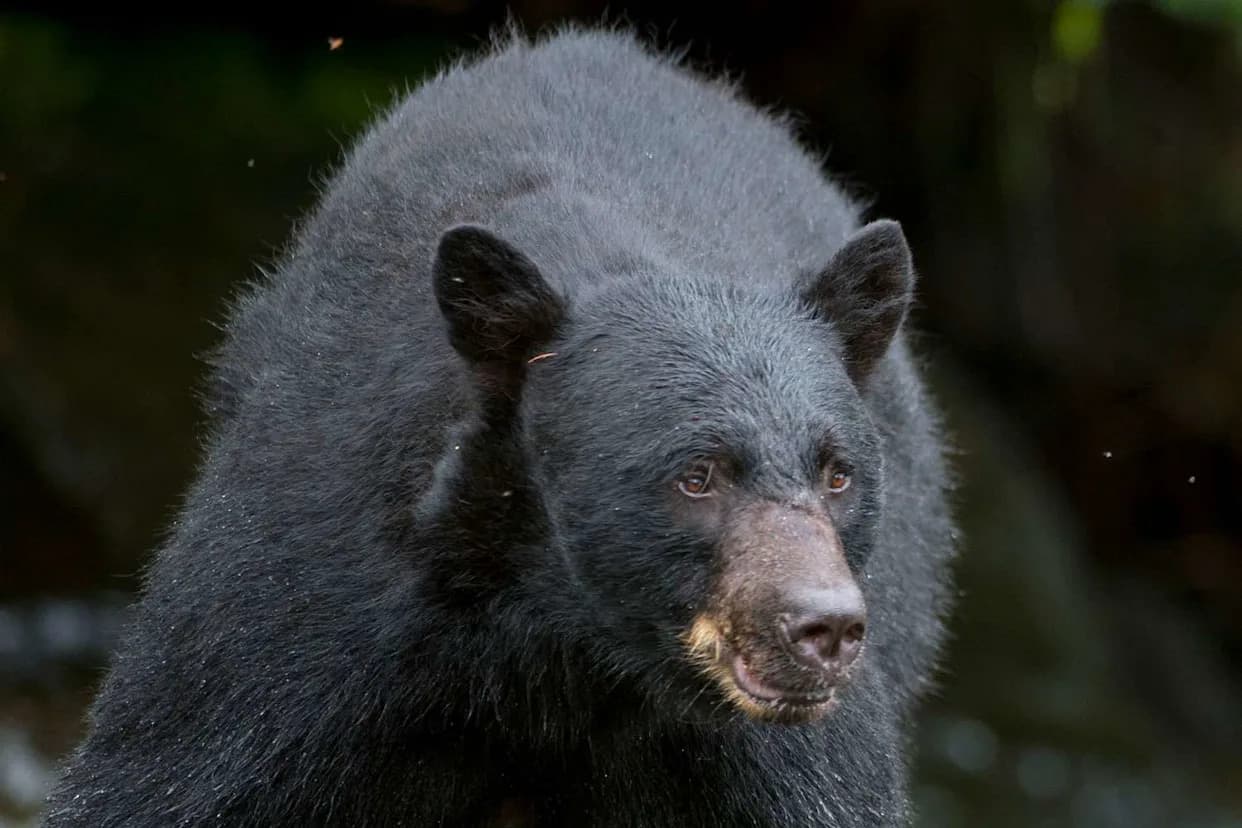
Credit: Wolfgang Kaehler/LightRocket via Getty
Park officials at Great Smoky Mountains National Park have closed multiple trails after a series of dangerous encounters with black bears in late April and early May. The National Park Service says the actions are intended to protect visitors and wildlife while rangers monitor activity.
Recent Incidents
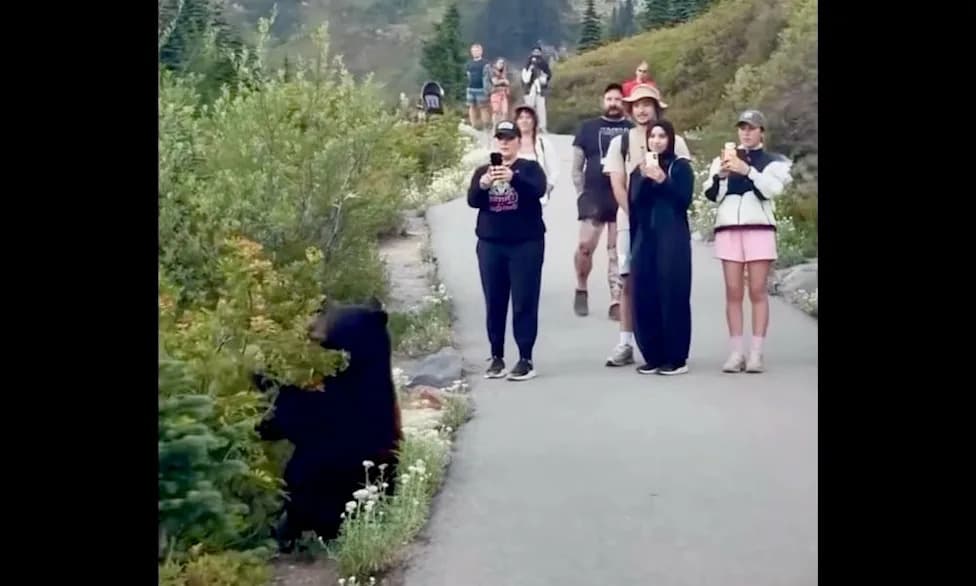
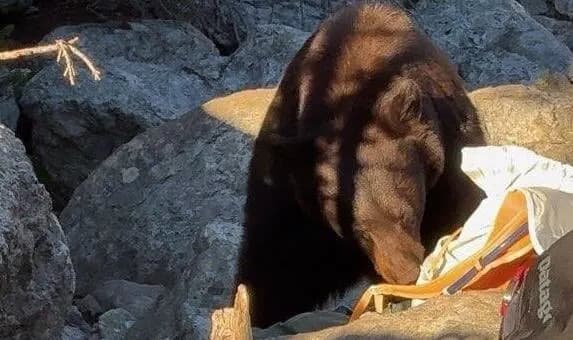
As of May 14, the Ramsey Cascades Trail, which straddles the border between North Carolina and Tennessee, remained closed because of ongoing aggressive bear activity. In late April, rangers responded to three bear-related incidents on the Ramsey Cascades Trail: in two encounters a bear approached hikers and removed two backpacks, and in a third incident a bear displayed aggressive behavior and briefly chased a group of visitors, according to the National Park Service.
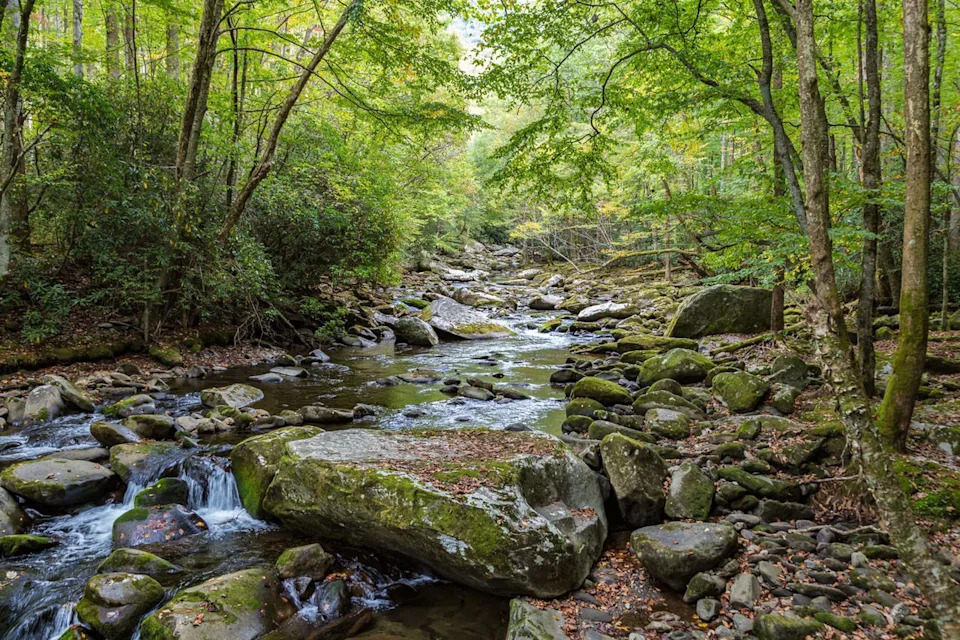
Great Smoky Mountains National Park.Credit: Ron Buskirk/UCG/Universal Images Group via Getty
Separately, an aggressive black bear bit a visitor who entered a closed area of the Abrams Falls Trail in late April. After several days with no further bear activity, Abrams Falls was reopened to the public.
Park Context And Safety Guidance
Great Smoky Mountains National Park is one of the largest protected areas in the eastern United States and supports a substantial black bear population. The park is home to approximately 1,900 black bears and draws roughly 12 million visitors annually, underlining the importance of following safety guidance.
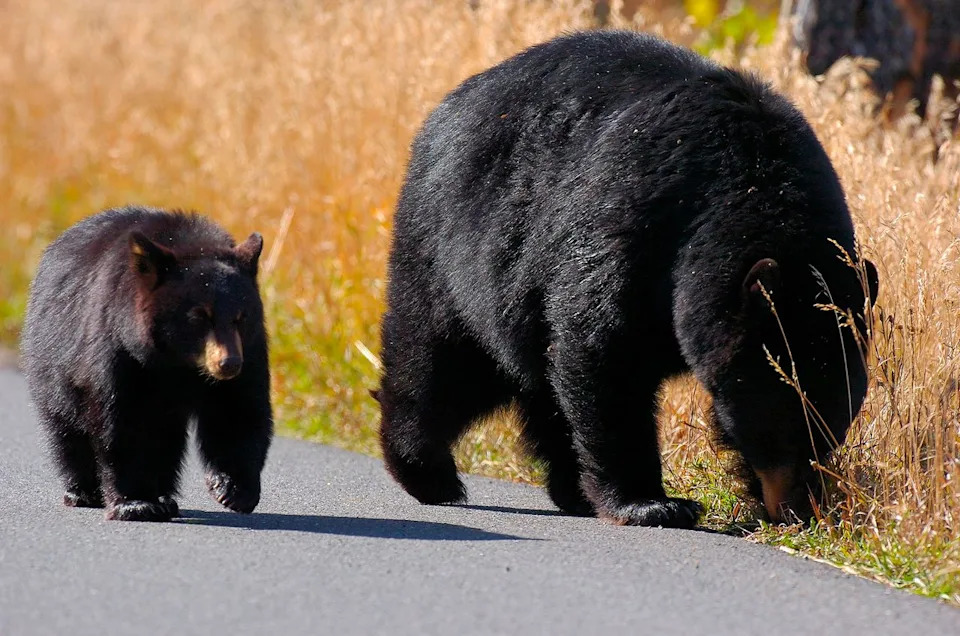
Black bear and cub at Yellowstone National Park, Wyoming.Credit: Ron Reznick/VW Pics/Universal Images Group via Getty
Bears are active across all elevations of the park and are most active in the early morning and late evening. Spring and summer see heightened bear activity, and spring is a particularly sensitive time when sow bears emerge with cubs and actively forage for food.
How Visitors Can Stay Safe
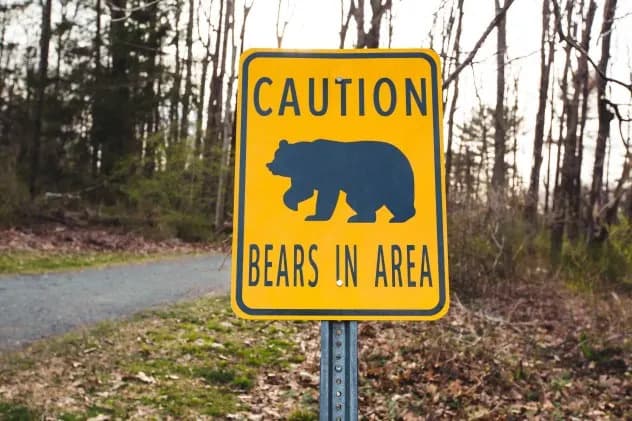
- Stay at least 150 feet (about 50 meters) from bears. Approaching bears is illegal and can result in fines or arrest.
- Secure food, trash, and scented items in a locked vehicle or bear-proof storage; do not leave attractants unattended.
- Do not bring pets on trails, since dogs can provoke defensive or predatory behavior in bears.
- Never feed bears. Feeding wildlife alters their behavior and increases risk to people and animals.
- If you encounter a bear, remain calm, make yourself look larger, speak firmly, and back away slowly—do not run.
Related Incident In Glacier National Park
Park authorities also noted a recent, unrelated fatality in another national park as a reminder of the potential severity of bear encounters. On May 6, 33-year-old Anthony Pollio of Davie, Florida, was found dead in Glacier National Park, Montana. His injuries were described by officials as consistent with those sustained in a bear encounter; his remains were located about 2.5 miles up the Mount Brown Trail in dense, downed timber roughly 50 feet off the trail.
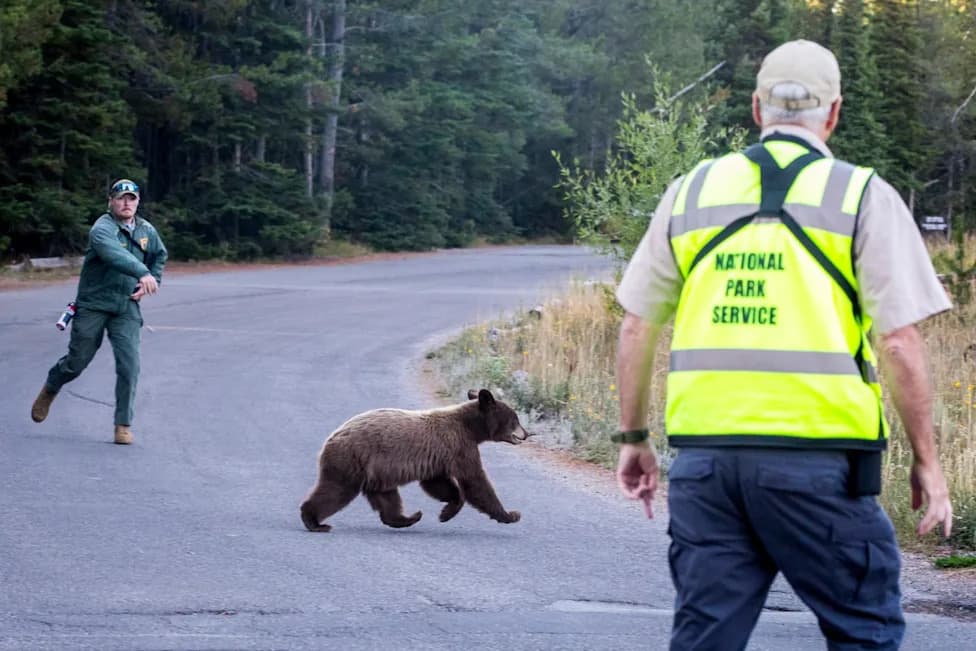
Park managers continue to monitor bear activity and will reopen trails only when conditions are safe for both visitors and wildlife.
Help us improve.