Mount Sinai researchers show that lysosomes in aged hematopoietic stem cells become overactive, excessively acidic and depleted, driving age-related blood dysfunction. Using single-cell transcriptomics and ex vivo assays, the team blocked lysosomal hyperactivity with a V-ATPase inhibitor and restored aged HSCs to a more youthful functional state. Treated cells exhibited about an eightfold increase in blood-forming capacity, reduced inflammatory signaling, and improved mitochondrial DNA processing. The findings are preclinical but identify lysosomal regulation as a promising target to improve blood and immune health in older adults.
Scientists Rejuvenate Aged Blood Stem Cells by Targeting Lysosomes
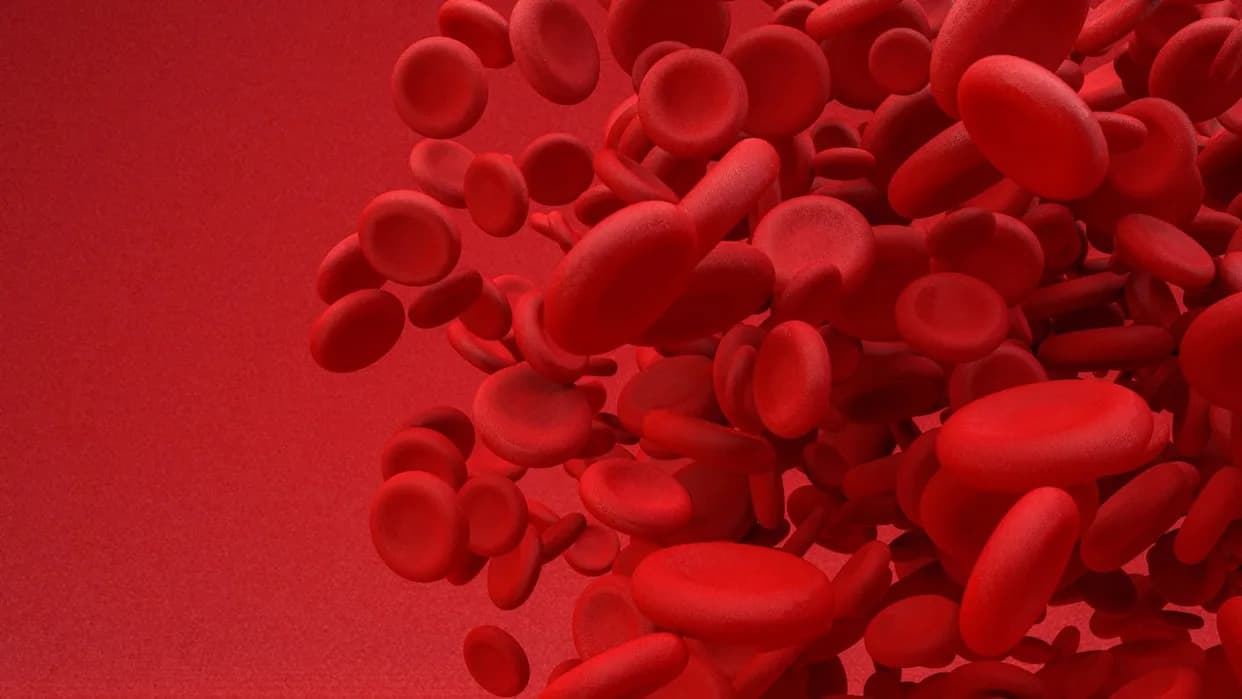
Scientists Just Made Old Blood Young Againakinbostanci - Getty Images
Researchers at the Icahn School of Medicine at Mount Sinai report that targeting overactive lysosomes can restore aged hematopoietic stem cells (HSCs) to a more youthful, functional state. The work, published in Cell Stem Cell, identifies lysosomal hyperactivity as a key cellular driver of age-related decline in blood and immune cell production and demonstrates a pharmacological approach that reverses those defects in preclinical tests.
What the Study Found
Lysosomes are small, spherical organelles present in every animal cell that function as the cell's waste-disposal system and participate in apoptosis (programmed cell death). In aged HSCs, the researchers found lysosomes become abnormally active: they become excessively acidic, sustain damage, and are ultimately depleted. This lysosomal dysfunction correlates with the reduced ability of aged HSCs to repair and regenerate the blood system, contributing to inflammation and increased risk of blood disorders.
How the Team Reversed Aging Signs
Using single-cell transcriptomics and ex vivo functional assays, the team tested whether inhibiting lysosomal overactivity could restore HSC function. They applied a vacuolar ATPase (V-ATPase) inhibitor to block lysosomal hyperactivity. Treated aged HSCs regained youthful properties: blood-forming capacity increased roughly eightfold in cell-culture tests, inflammatory signaling dropped, and cells processed mitochondrial DNA more efficiently.
“Old blood stem cells have the capacity to revert to a youthful state; they can bounce back,” said Saghi Ghaffari, senior author of the study. “By targeting lysosomal hyperactivity, we were able to reset aged stem cells to a younger, healthier state, improving their ability to regenerate blood and immune cells.”
Potential Implications and Next Steps
The findings point to lysosomal regulation as a promising therapeutic avenue to maintain healthy blood and immune systems in older adults, improve stem cells used for transplantation, and possibly reduce the risk of age-associated blood disorders, including leukemias. The authors plan further research to determine whether dysfunctional lysosomes contribute to the formation of leukemic stem cells and to evaluate safety, dosing, and efficacy in animal models before any human trials.
Caveats: The work is preclinical. While results are encouraging, V-ATPase inhibition affects a fundamental cellular process and could have unintended effects in whole organisms. More research is needed to confirm safety and long-term benefits.
Overall, the study strengthens evidence that some aspects of cellular aging can be reversed and highlights lysosomal activity as a concrete, testable target for rejuvenating blood-forming stem cells.
Help us improve.