Over three decades covering US–China ties, the focus of high-level talks has shifted from human-rights disputes to economics, technology and strategic competition. The latest Beijing summit between Donald Trump and Xi Jinping centers on tariffs, tech competition and Taiwan, with Iran also on the agenda. Xi’s consolidated political control and China’s advantages in rare earths and green energy give Beijing leverage despite domestic economic strains. Expect short-term deliverables — such as agricultural purchases or aircraft orders — even as structural trade and technology differences remain difficult to resolve.
Xi’s Long Game With Trump: 30 Years Reporting on How US–China Ties Have Shifted
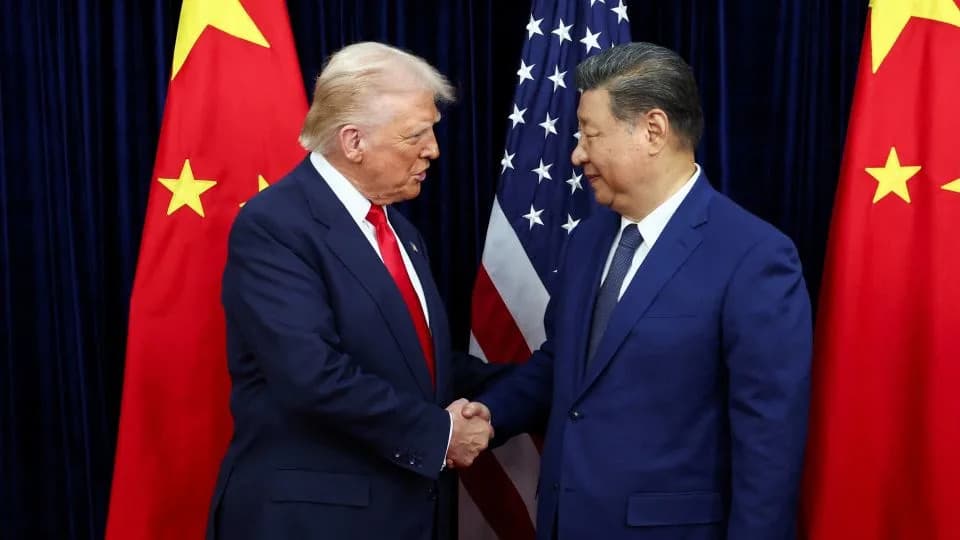
US President Donald Trump shakes hands with Chinese leader Xi Jinping in Busan, South Korea, on October 30, 2025. - Evelyn Hockstein/Reuters/File
When I began reporting on US–China relations in the late 1990s, senior-level meetings were often reduced to three Ts: Tiananmen, Tibet and Taiwan — shorthand for the human-rights disputes that dominated the agenda.
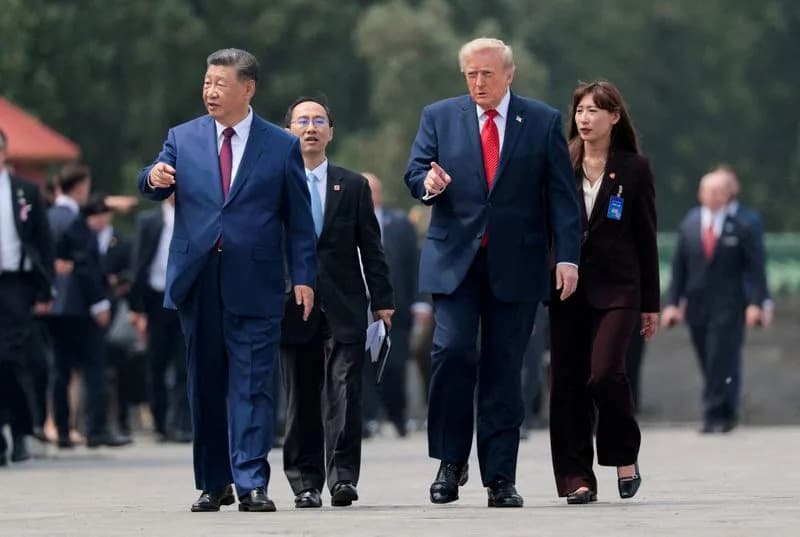
Fast-forward to the latest summit in Beijing between President Donald Trump and Chinese leader Xi Jinping, and the landscape looks very different. The three Ts now driving talks are tariffs, technology and Taiwan, with a new fourth T — Tehran — prominent this time.
From Values To Economics
While Taiwan remains one of Beijing’s top security concerns, many other priorities have shifted from values-based disputes to trade, technology and strategic competition. Senior US officials leading the engagement have changed too: where human-rights criticism once dominated public diplomacy, economic and security portfolios are now at the forefront of high-level contact.
How Leadership Shapes Policy
Xi Jinping has consolidated extraordinary control across the party, state and military, enabling a top-down allocation of resources and long-term planning. That centralisation helps Beijing pursue ambitious industrial policy and military modernisation with continuity and scale — advantages of a one-party system.
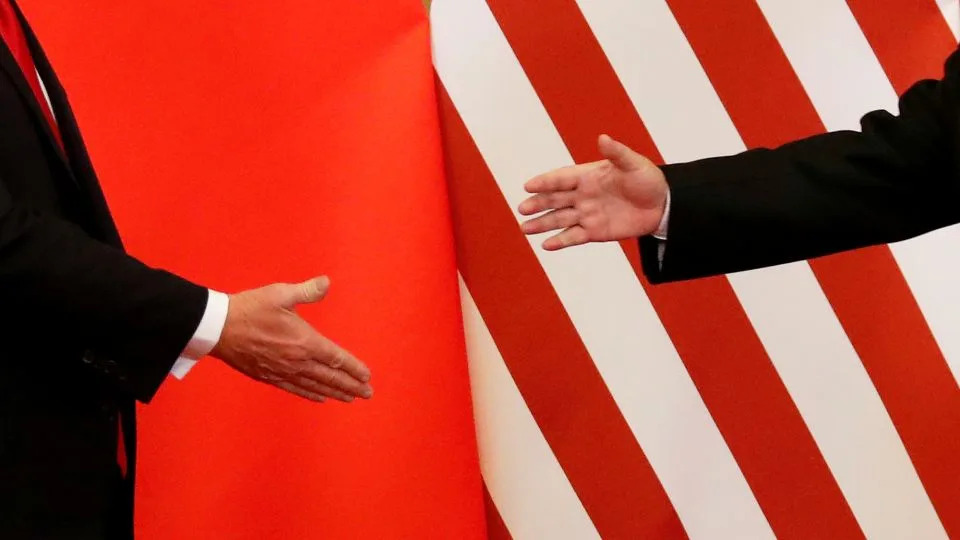
US President Donald Trump and China's leader Xi Jinping shake hands at the Great Hall of the People in Beijing, China, November 9, 2017. - Damir Sagolj/Reuters/File
At the same time, many analysts argue that recent US policy choices — including those made under President Trump — have altered the global balance in ways that can benefit China. On Chinese social media, critics mockingly call Trump “Nation-Building Trump,” a jab at the perception that some of his moves have strengthened China’s global position.
Geopolitics, Conflict And Leverage
The war with Iran has complicated US focus and resources, and at a moment when China dominates supply chains for rare earths and critical components, that matters for long-term military and industrial capacity. China’s early pivot to green energy and its strategic stockpiles also blunt short-term disruptions from oil-price volatility — a resilience that can translate into negotiating leverage.
Key dynamic: Beijing’s material advantages (rare earths, manufacturing scale, green-energy investments) plus Xi’s political control give China bargaining power even amid domestic economic challenges.
Domestic Headwinds, Diplomatic Flexibility
Beijing is not without problems: damaging price competition in some sectors, weak domestic consumption, stubborn youth unemployment and a demographic slump limit options. Still, Xi can deploy fiscal and procurement measures — including big agricultural purchases and commercial aircraft orders — to provide tangible summit "deliverables" that play well politically in Washington.
The idea of a new “Board Of Trade” to manage bilateral economic issues is unlikely to unnerve Beijing. China governs through large, overlapping institutions; creating an additional council can be presented as a cooperative, technocratic mechanism rather than a concession on structural reforms.
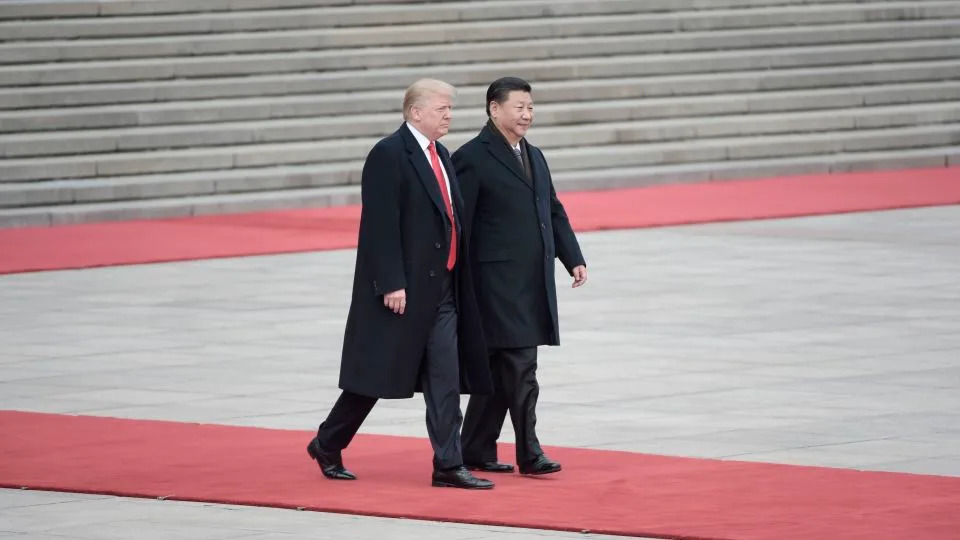
Xi Jinping and Donald Trump attend a welcome ceremony at the Great Hall of the People in Beijing on November 9, 2017. - Fred Dufour/AFP/Getty Images
Tech, Talent And The Long March Toward Self-Reliance
Despite US export controls, China has continued to advance in areas from electric vehicles to robotics. Progress is driven by a mix of state-directed investment and the return of talent — partly encouraged by shifts in US research funding and immigration policy during the last presidential term. The result is intensified focus on reducing dependence on imported technology.
Underneath the flashy videos of futuristic cars and humanoid robots is a steady policy push: cut fossil-fuel dependence, automate to offset a shrinking workforce, and secure critical supply chains against geopolitical shocks.
Power Consolidation And Political Longevity
Xi’s record of purging rivals and reshaping institutions — most recently including senior military changes — underscores that his leadership is pragmatic and often ruthless, not sentimental. Time favors leaders who can marshal state resources toward long-range goals: ahead of the Communist Party congress in autumn 2027, Xi is widely expected to secure an unprecedented fourth term, reinforcing policy continuity.
Bottom line: The summit in Beijing reflects a long-term strategic contest in which economic leverage, technological ambition and political consolidation matter as much as — or more than — the human-rights flashpoints of earlier decades. Short-term diplomatic wins (purchases, councils, agreements) may be attainable, but deep structural issues — from state subsidies to market access — remain tough bargaining items.
Help us improve.