Gallup reports that seven in 10 Americans oppose building data centers near where they live, a view that spans political groups and is particularly strong among Democrats. Opponents most commonly cite resource strain — including water and energy use and environmental effects — as well as quality-of-life and cost concerns. Supporters point to economic benefits such as job creation. Rising energy prices have intensified the backlash, prompting tech companies to pursue efficiency and community-focused strategies to improve acceptance.
7 in 10 Americans Oppose Local Data Centers, Gallup Finds
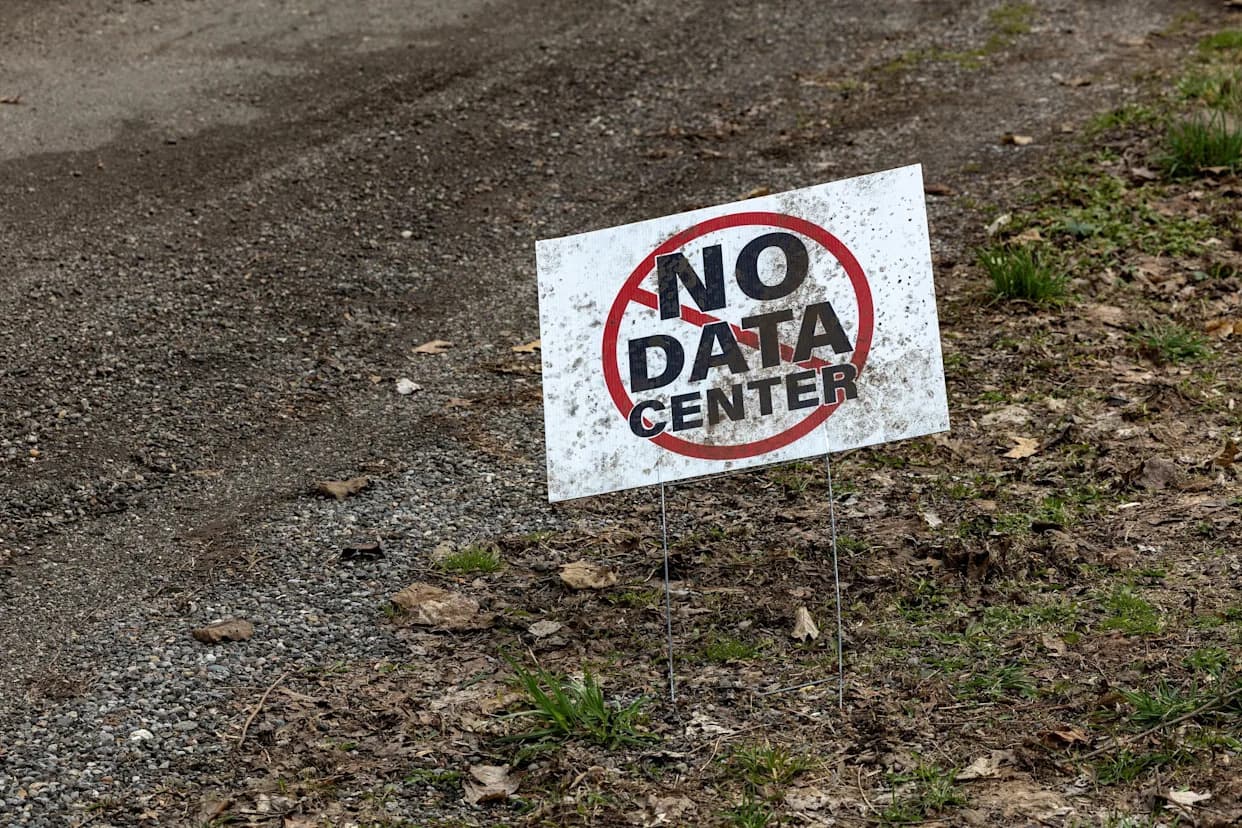
A Gallup survey finds seven in 10 Americans oppose building data centers near where they live, underscoring how politically sensitive these projects have become nationwide.
Broad Opposition Across the Political Spectrum
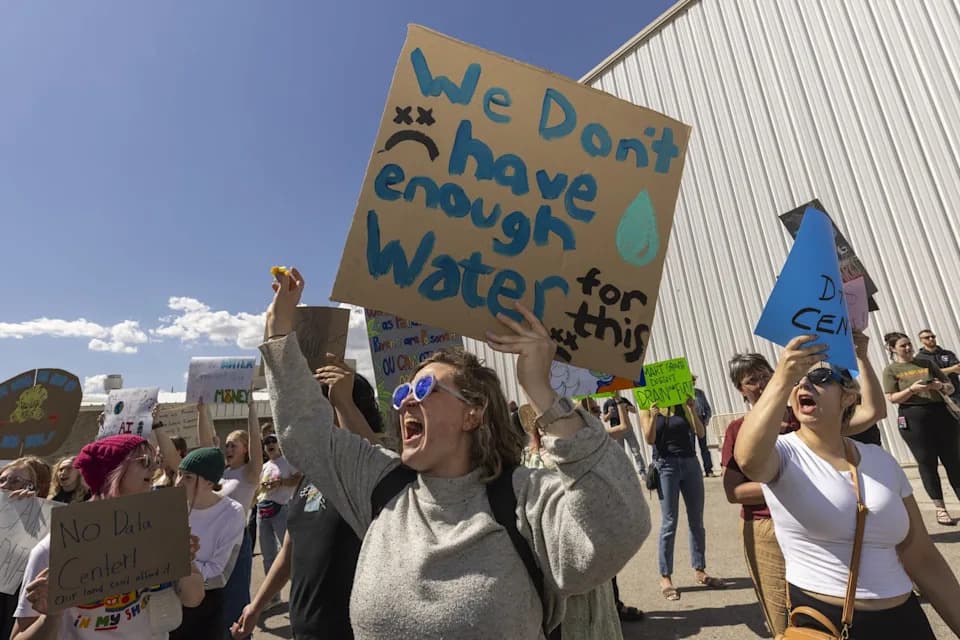
Opposition to local data centers crosses party lines but is especially strong among Democrats: 56% of Democrats say they strongly oppose such projects. Resistance is widespread among independents and Republicans as well, reflecting growing public concern about the local impacts of large technology facilities.
Why People Oppose — And Why Some Support
About half of opponents point to the strain data centers place on local resources — notably water and energy consumption and associated environmental impacts. Another 22% cite quality-of-life concerns, such as noise, traffic, and loss of open space, while roughly one in five worry about higher costs for local utilities or taxes. Those who support building data centers most often highlight potential economic benefits, including job creation and local investment.
Political Fallout And Industry Response
As energy prices rise, data centers have become convenient targets in local and national debates about resource use and development. In response, technology companies are experimenting with measures to reduce the projects' footprint and bolster community support — for example, investing in energy-efficient cooling, on-site renewable power, water recycling technologies, and community benefit agreements — while also improving transparency around siting and permitting.
What This Means: The scale of public opposition could make permitting and development more difficult and costly for operators, prompting a push for greener designs and closer engagement with affected communities.
Help us improve.