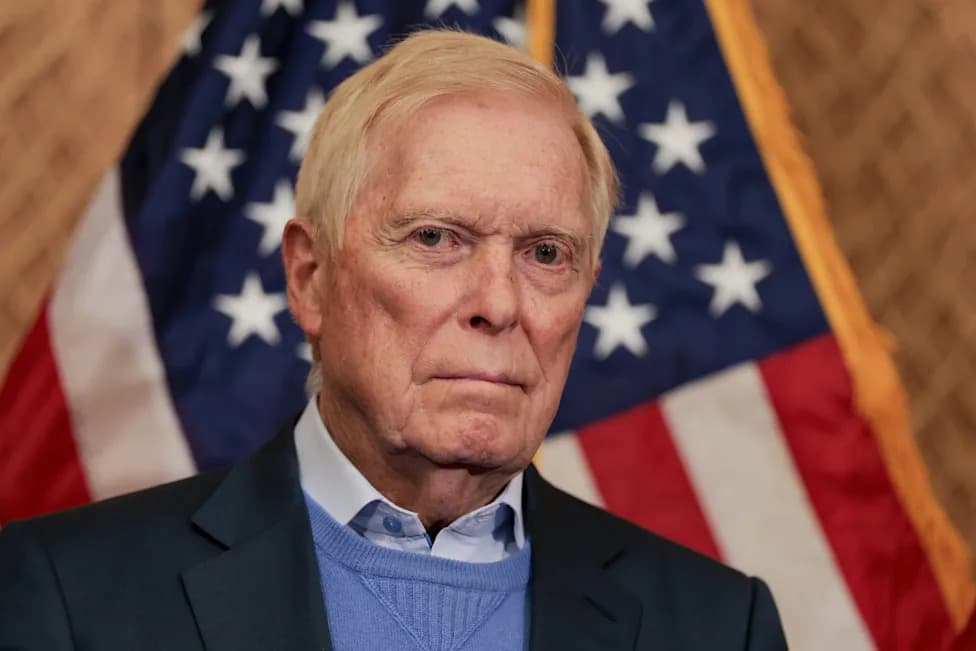
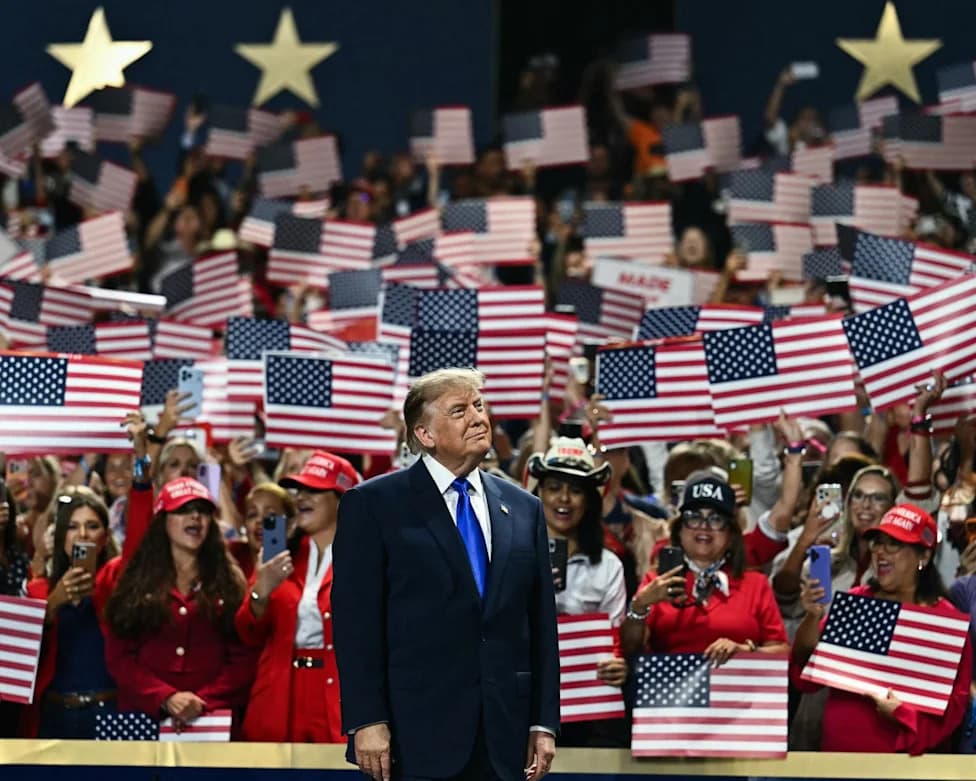
President Trump has proposed an "Election Integrity Army" to be sent to states for the upcoming midterms, a move that critics say could mirror historic voter intimidation by white supremacist groups. The plan arrives as the Voting Rights Act’s protections have been eroded by recent Supreme Court rulings and as Democrats form a task force led by figures like Eric Holder and Marc Elias to protect elections. Concerns include proposals to station ICE at polling sites and broader rhetoric and actions that critics say risk undermining democratic norms.
Trump Announces 'Election Integrity Army' for Midterms, Prompting Fears of Voter Intimidation
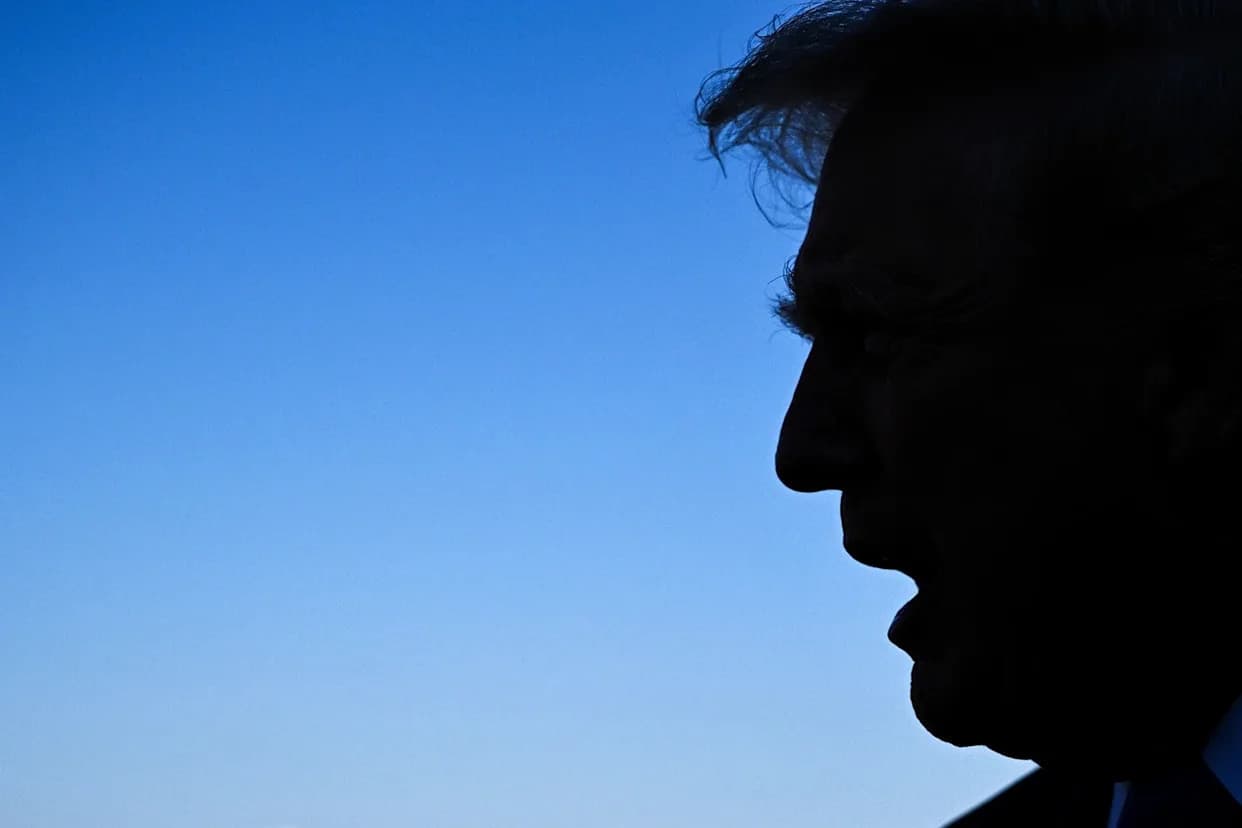
President Donald Trump speaks to reporters before boarding Air Force One at Palm Beach International Airport on March 23, 2026, in West Palm Beach, Fla.(Roberto Schmidt / Getty Images)
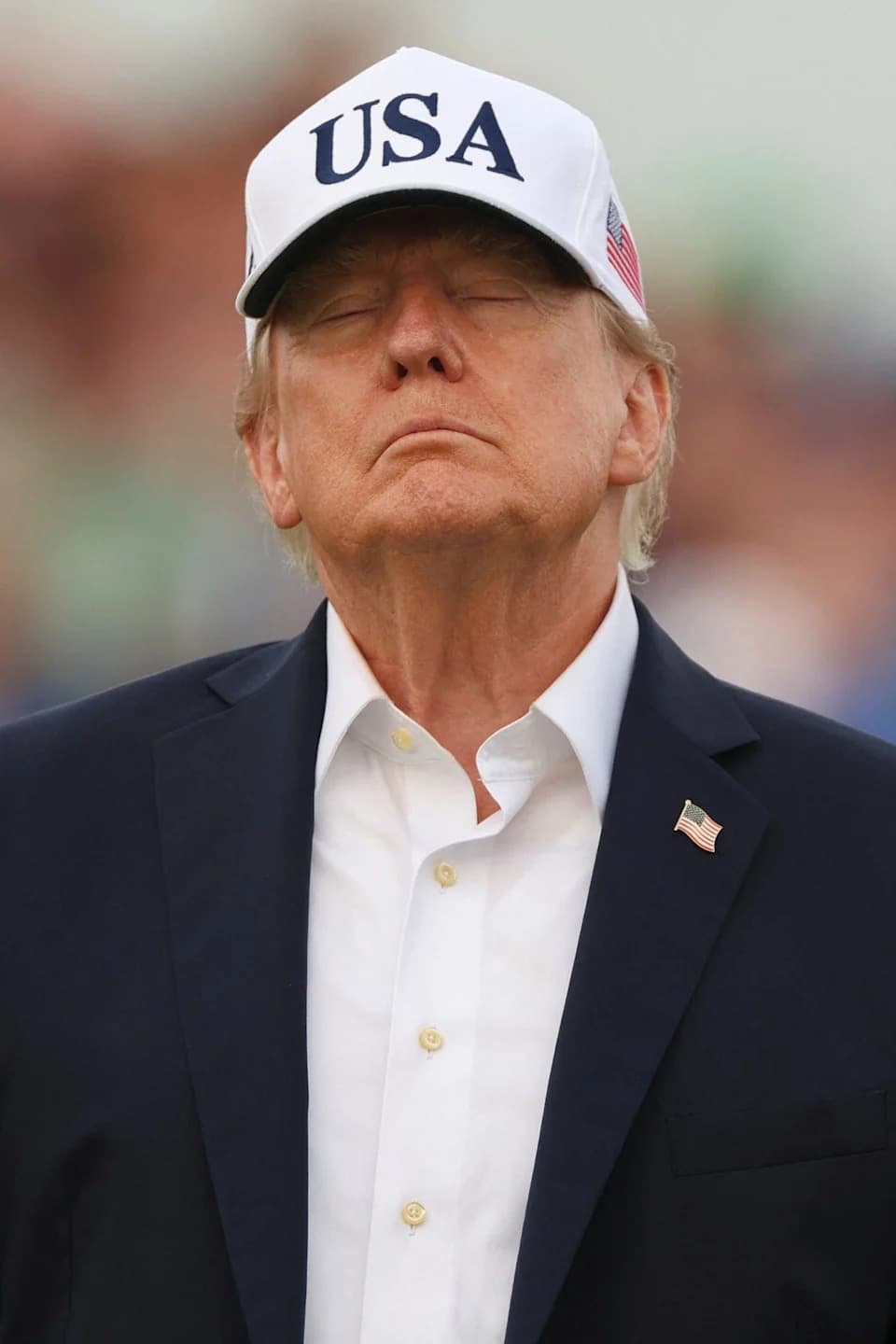
President Donald Trump has promoted an "Election Integrity Army" he says Republicans will deploy to every state ahead of this year’s midterm elections. His social media announcement accused Democrats of preparing voter suppression efforts and sought to undercut a Democratic task force aimed at protecting electoral processes.
Historical Context
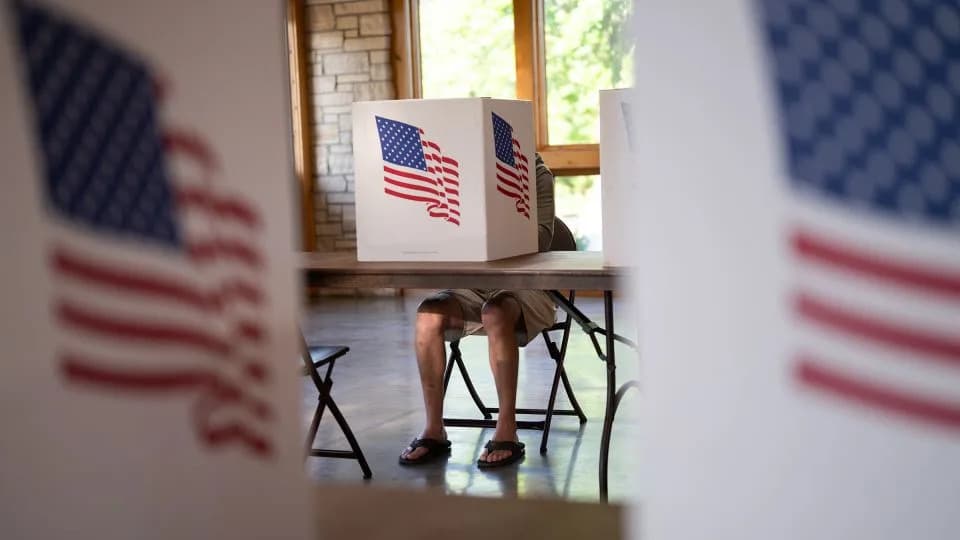
The United States has a long history of organized voter intimidation by white supremacist groups, including the Ku Klux Klan, particularly targeting Black voters at polling places. The Voting Rights Act contains provisions designed to prevent this kind of intimidation; critics note that decisions by GOP-appointed Supreme Court justices over recent decades — including rulings as recently as two weeks ago — have weakened some of those protections.
What Trump Proposes—and Who Opposes It
Details about what Trump’s so-called 'Election Integrity Army' will actually do remain unclear. His post claimed the effort would be larger than a similar GOP initiative in 2024. Republican ally Harmeet Dhillon, described in public reporting as an RNC-aligned attorney with ties to the Justice Department’s Civil Rights Division, has urged legal challenges to state election procedures in the past.
By contrast, Senate Minority Leader Chuck Schumer announced a Democratic task force last month to guard electoral systems. That initiative is expected to include former Attorney General Eric Holder and voting-rights lawyer Marc Elias — both frequent targets of Trump’s criticism.
Controversial Enforcement Presence At Polls
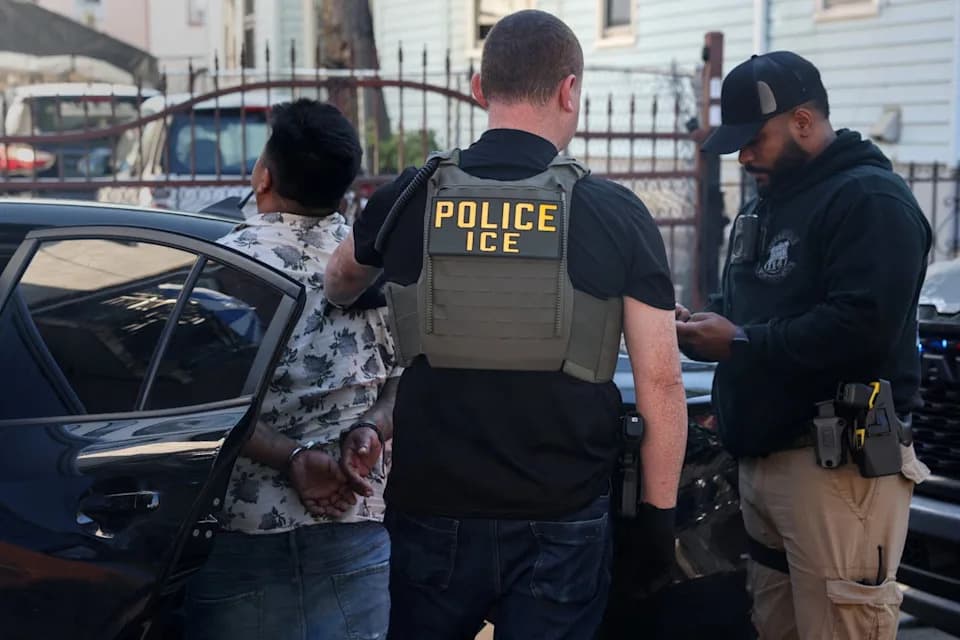
Acting Attorney General Todd Blanche has defended proposals to station Immigration and Customs Enforcement (ICE) agents at polling sites during the midterms. Blanche said last week there would be nothing improper about ICE presence at polling places — a stance that allies of the president have echoed while promoting unsubstantiated claims about noncitizen voting.
Critics point out that ICE, under Trump’s administration, has become synonymous with a hardline, racially charged immigration enforcement agenda. A judge appointed by President Reagan drew a stark comparison last year when he likened some ICE tactics to intimidation historically associated with the KKK. Legal experts and civil-rights advocates warn that armed or partisan enforcement agents at polling locations risk chilling voter participation.
Broader Concerns About Democratic Norms
Since taking office, Trump has taken several actions that critics say threaten democratic norms: issuing pardons for individuals convicted in the Jan. 6 insurrection, suggesting the U.S. "shouldn’t even have" midterm elections, urging Republicans to "take over" elections in Democratic areas, and authorizing high-profile security deployments framed as responses to migration. Observers say these moves, combined with proposals to deploy partisan monitors or federal agents to polling places, echo authoritarian tactics and raise the specter of voter intimidation.
Bottom line: Without clear guardrails and transparency, efforts framed as protecting election integrity can replicate historical patterns of intimidation — particularly when paired with weakened voting-rights protections and aggressive enforcement tactics.
Help us improve.