Researchers from ETH Zurich and GEOMAR report that aerosols from fossil-fuel combustion and smelting have delivered human-made zinc to the upper South Pacific, where it now outweighs natural sources. Zinc and lead isotope signatures were used as fingerprints to distinguish industrial inputs from natural cycling. The findings suggest even small anthropogenic shifts in trace metals could affect phytoplankton, marine food webs, and climate-regulating ocean processes.
“No Place Left Untouched”: Human-Made Zinc Now Dominates the Remote South Pacific
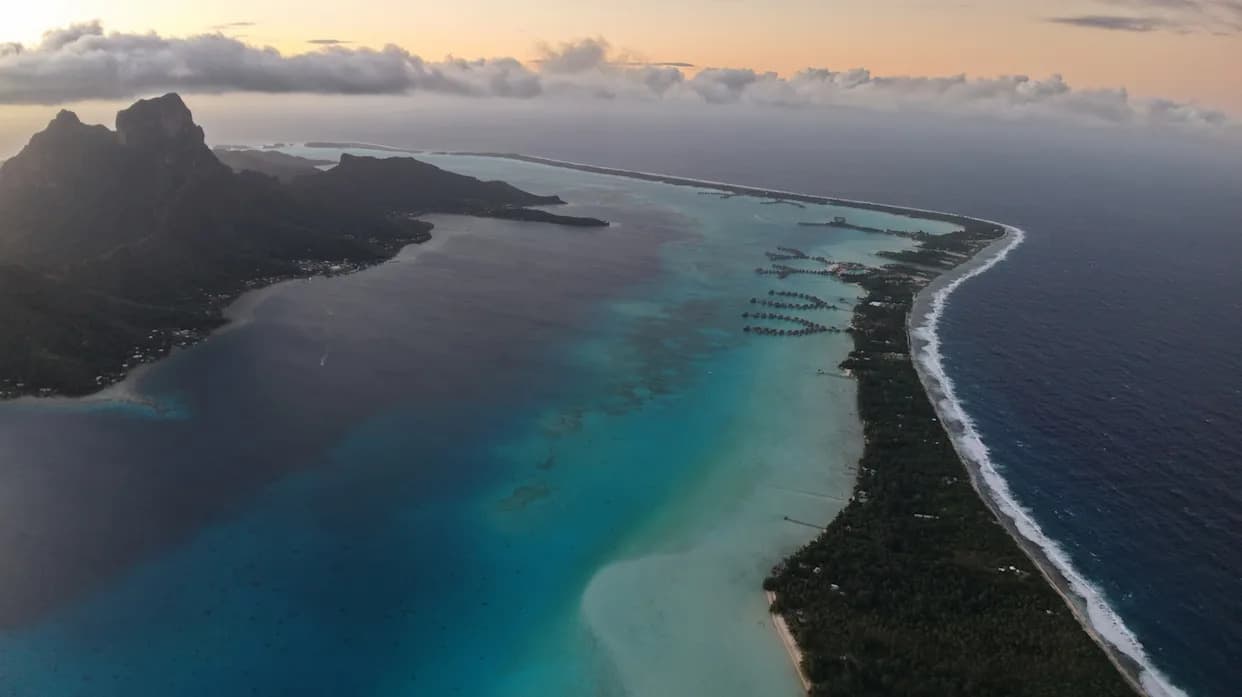
Photo Credit: iStock
New research from ETH Zurich and GEOMAR Helmholtz Centre for Ocean Research Kiel, published in Communications Earth & Environment, shows that zinc emitted by fossil-fuel combustion and metal smelting has been transported by aerosols into the upper South Pacific — one of the planet's most remote ocean regions. The study finds that anthropogenic (human-made) zinc now exceeds natural zinc inputs in these surface waters.
The team set out to identify the source of zinc in surface waters because zinc is an essential trace metal for marine life, particularly phytoplankton — microscopic algae that absorb carbon dioxide and produce oxygen. Small shifts in trace-metal availability can change phytoplankton nutrient balance and, in turn, influence marine food webs and climate-related ocean processes.
Researchers measured dissolved zinc in seawater and analyzed zinc isotope ratios in suspended particles and in airborne aerosols above the ocean. Isotopes act as natural fingerprints: zinc delivered through natural ocean cycling is typically enriched in heavier isotopes such as Zn-66, while pollution-derived zinc tends to be enriched in lighter isotopes such as Zn-64. The team also measured lead isotopes, a well-established marker of industrial pollution, to corroborate the source attribution.
The results were striking. Aerosols carrying industrial zinc appear to supply the majority of zinc in the upper South Pacific; contributions from natural sources were found to be minimal. As lead author Tal Ben Altabet explained, "Essentially, all of the zinc in the particles from the upper South Pacific is unnatural." This challenges the long-standing view that remote ocean regions are largely protected from industrial emissions.
These findings join other studies that document long-range contamination: PFAS "forever chemicals" have been detected in the same region, and microplastic particles have been found deeper in the ocean than previously recognized. Because surface waters are often depleted in trace metals — phytoplankton rapidly scavenge them — even modest anthropogenic inputs could have outsized ecological effects.
The authors warn that continued accumulation of anthropogenic zinc, along with other metals such as iron, copper and cadmium, could cascade through marine ecosystems, alter nutrient cycling, and influence ocean processes that help regulate Earth's climate. The study underlines how industrial emissions can travel vast distances and reach ecosystems once thought to be pristine.
Study: ETH Zurich and GEOMAR; Journal: Communications Earth & Environment.
Help us improve.