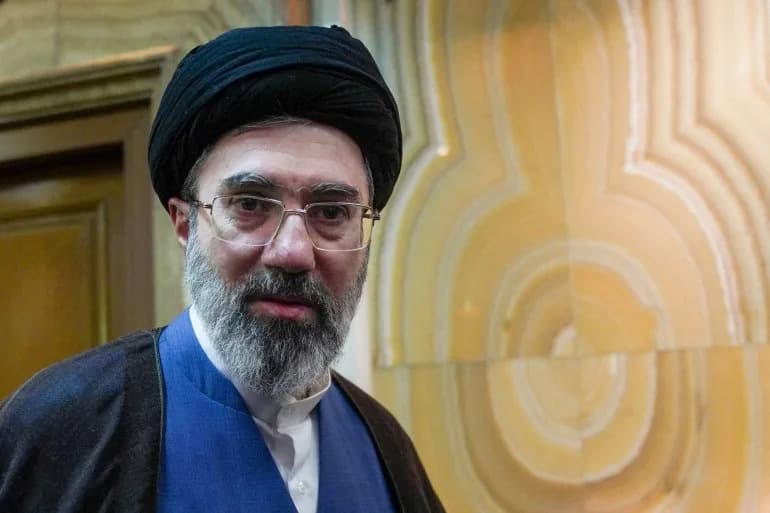
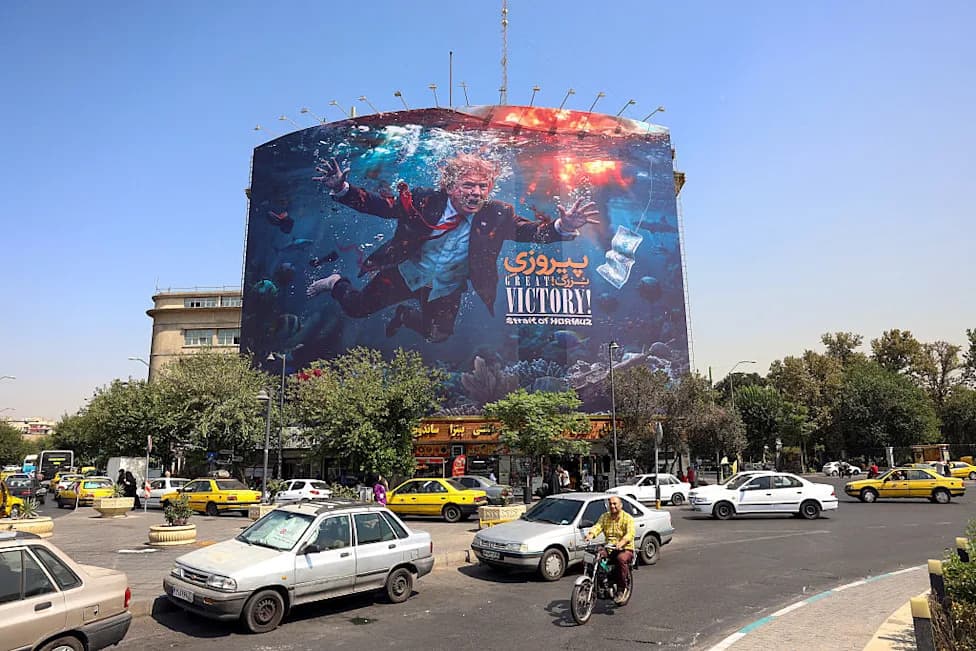
Iran has publicly elevated control of the Strait of Hormuz amid US-mediated negotiations. Senior officials and state-linked media describe the waterway as a strategic lever with global economic consequences — even likening it to an "atomic bomb" in its potential impact. Recent naval incidents, domestic political divisions, and calls to deepen ties with China further complicate the diplomatic landscape.
Iran Calls Strait Of Hormuz An "Atomic Bomb" Of Strategy As US-Mediated Talks Continue
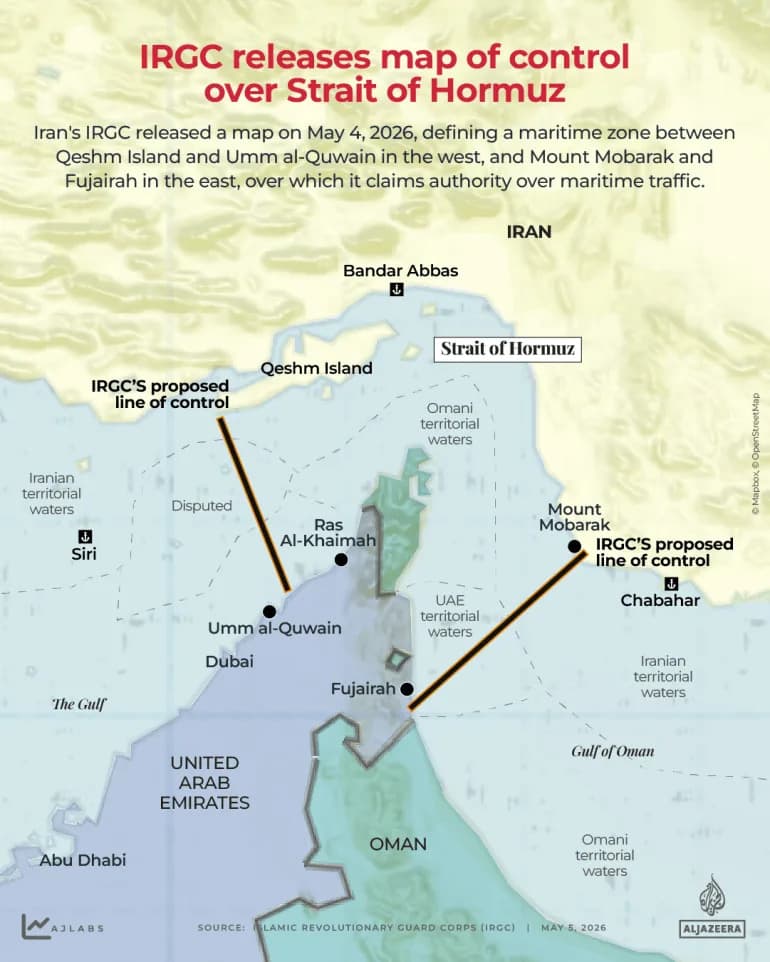
INTERACTIVE - IRGC releases map of control over Strait of Hormuz - May 5, 2026-1777975253
Tehran — As intermediary-facilitated exchanges continue between Tehran and Washington, Iranian officials and state-linked media are elevating the strategic importance of the Strait of Hormuz, portraying control over the waterway as a decisive lever in both regional security and the global economy.
Diplomatic Signals — Foreign Ministry spokesperson Esmaeil Baghaei told reporters that Iran is still studying a US proposal. "We do our own work, we don't pay attention to deadlines or timing," he said, appearing to reject suggested response timelines from the US side.
Strategic Rhetoric
Senior figures have framed the strait as central to Tehran's doctrine. Mohammad Mokhber, described in state outlets as a senior adviser to Supreme Leader Ayatollah Ali Khamenei and a former first vice president under Ebrahim Raisi, told Mehr news agency that control of the Strait of Hormuz is a capability "on the level of an atomic bomb," given its potential to affect the global economy.
"In reality, it is a capability on the level of an atomic bomb, because when you have a capability that can affect the entire global economy with a single decision, that is an enormous capability," Mokhber said.
He added that Iranian authorities would not relinquish the control they say they have gained and would seek to shape governance of the strait either through international channels or domestic legislation from the hardline-dominated parliament.
Domestic Messaging And Historical Parallels
State television and other outlets broadened the narrative with historical analogy: a presenter compared the strait to the strategic pass at the Battle of Uhud, warning that abandoning it would invite defeat. Messages attributed to Mojtaba Khamenei and other senior figures have likewise stressed the imperative of retaining influence over the waterway.
State media also circulated an archival clip of former president Akbar Hashemi Rafsanjani, who warned that Iran would consider closing the strait only if the Persian Gulf became unusable to Iranian shipping — a move that would also damage Iran’s own interests.
Security Tensions And Negotiations
The Islamic Revolutionary Guard Corps (IRGC) and US warships have reportedly exchanged fire over transits in the strait in recent days, while Washington maintains a naval blockade of Iranian ports and has discussed operations termed "Project Freedom." Officials on both sides say a ceasefire reached last month remains in place even as mediated talks continue.
Inside Iran, hardline factions strengthened by the conflict oppose major concessions on nuclear and military issues. Some officials have said nuclear enrichment and the recovery of high-enriched material from damaged facilities should not be negotiated. Others urge a strategic pivot toward China and greater self-reliance in the face of Western pressure.
Political Frictions
Foreign Minister Abbas Araghchi faced criticism at home for engaging with US intermediaries; hardline lawmakers have called for his removal from negotiation teams. Mahmoud Nabavian, a conservative lawmaker who took part in earlier talks, urged the parliamentary leadership to exclude officials associated with the 2015 JCPOA negotiating team.
The evolving rhetoric around the Strait of Hormuz underscores Tehran’s view that maritime control is both a bargaining chip and a national security priority as talks with Washington continue under mediation.
Help us improve.