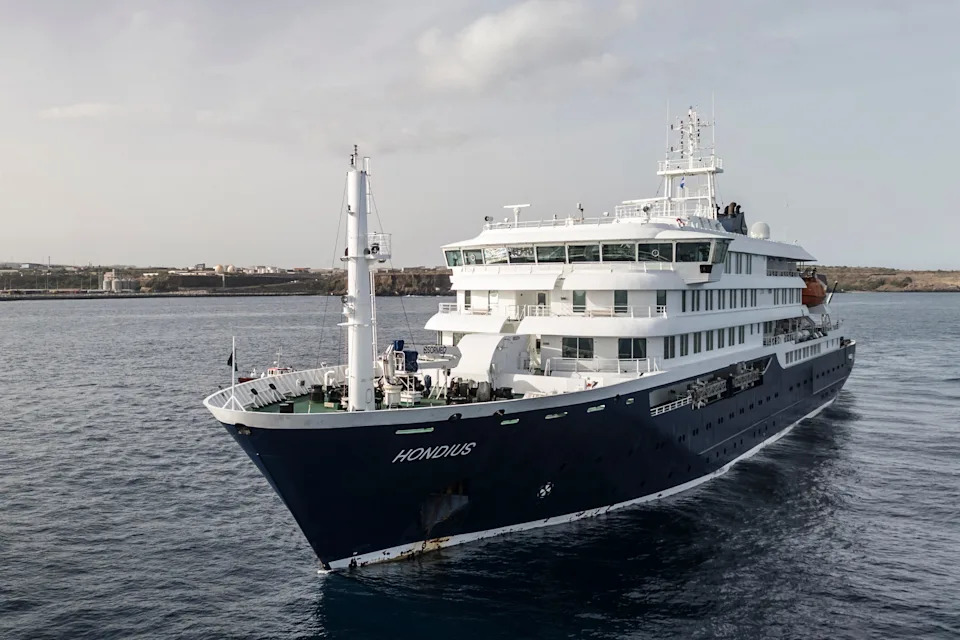
News of a hantavirus outbreak aboard the Spain-bound cruise ship MV Hondius has renewed public concern about respiratory infections in a post-COVID era. The vessel — carrying roughly 150 passengers and quarantined off the coast of Cape Verde — has reported eight confirmed infections and three deaths so far. The World Health Organization has identified the strain involved as the Andes virus, which is one of the few hantaviruses known to spread between people under close-contact conditions.
What Is Hantavirus?
Hantaviruses are a family of viruses carried primarily by rodents. More than 50 species have been identified, but only a small number cause disease in humans. Human infection most often follows exposure to infected rodent urine, droppings, or saliva.
How It Spreads
Most hantavirus infections are acquired from environmental exposure to rodent excreta. Person-to-person transmission is uncommon; however, the Andes virus is an exception and has been documented to spread between people, typically among close household or caregiving contacts. Health authorities believe some passengers aboard the MV Hondius may have been infected through human-to-human transmission.
Symptoms and Severity
Hantavirus infections in humans typically present as one of two syndromes:
- Hantavirus Pulmonary Syndrome (HPS) — primarily affects the lungs; CDC data indicate roughly 38% fatality among people who develop HPS with respiratory symptoms without appropriate care.
- Hemorrhagic Fever With Renal Syndrome (HFRS) — primarily affects the kidneys and has a variable fatality rate (approximately 1%–15%), depending on the viral type and treatment access.
Early symptoms are often flu-like and can include fatigue, fever, muscle aches, chills, headache and dizziness. Gastrointestinal symptoms (nausea, vomiting, diarrhea, abdominal pain) and respiratory signs (cough, chest tightness, shortness of breath) may follow.
An aerial view of the cruise ship MV Hondius stationary off the port of Praia, the capital of Cape Verde, on May 5, 2026.
Treatment and Prognosis
There is no specific antiviral cure for hantavirus. Care is supportive and depends on disease severity: rest and fluids for mild illness; oxygen and respiratory support (including intubation) for severe pulmonary disease; and dialysis for kidney failure in cases of HFRS. Early recognition and prompt medical care improve outcomes.
U.S. Passengers and Public-Health Response
U.S. officials determined that travelers from five states were aboard the MV Hondius: Georgia, Arizona, California, Texas, and Virginia. State health departments reported contact tracing and monitoring of returned passengers; available updates indicated several travelers reported no symptoms and were being followed by health authorities. Oceanwide Expeditions, the ship operator, said the vessel is sailing toward the Canary Islands (Granadilla, Tenerife) and remains in close contact with authorities about quarantine, screening and arrival logistics.
Comparisons With COVID-19
Hantavirus and COVID-19 differ substantially. COVID-19 is primarily an airborne, respiratory-transmitted virus that can spread widely through community exposure. Hantavirus is usually transmitted from rodents to people via contaminated excreta; only the Andes virus has shown human-to-human spread, and then mainly among close contacts. The WHO currently assesses the global risk from this outbreak as low.
Travel and Transmission Risk
Experts say the risk of catching hantavirus on airplanes is very low. Modern aircraft filtration systems and brief contact times reduce transmission chances. For travelers to regions where Andes virus is endemic (parts of South America), basic precautions include good hand hygiene and avoiding exposure to rodent-infested areas; wearing an N95 respirator in higher-risk settings may be advisable.
Notable Clarifications
One previously reported U.S. death — Betsy Arakawa — was confirmed as due to Hantavirus Pulmonary Syndrome. Reports linking actor Gene Hackman’s death to hantavirus were incorrect; his death was attributed to natural causes related to heart disease and complications from Alzheimer’s disease.
What to Watch For
Authorities are continuing contact tracing, screening and monitoring of passengers and crew. If you were on the MV Hondius or had close contact with someone who was, monitor for fever, muscle aches or respiratory symptoms and seek medical care promptly if they develop. For the general public, routine preventive measures — avoiding rodent exposure, maintaining hand hygiene, and following local health guidance — remain the best protections.
Bottom line: The MV Hondius outbreak is serious for those affected but the immediate global risk is low. Public-health teams are monitoring contacts and moving the ship under guidance from authorities.