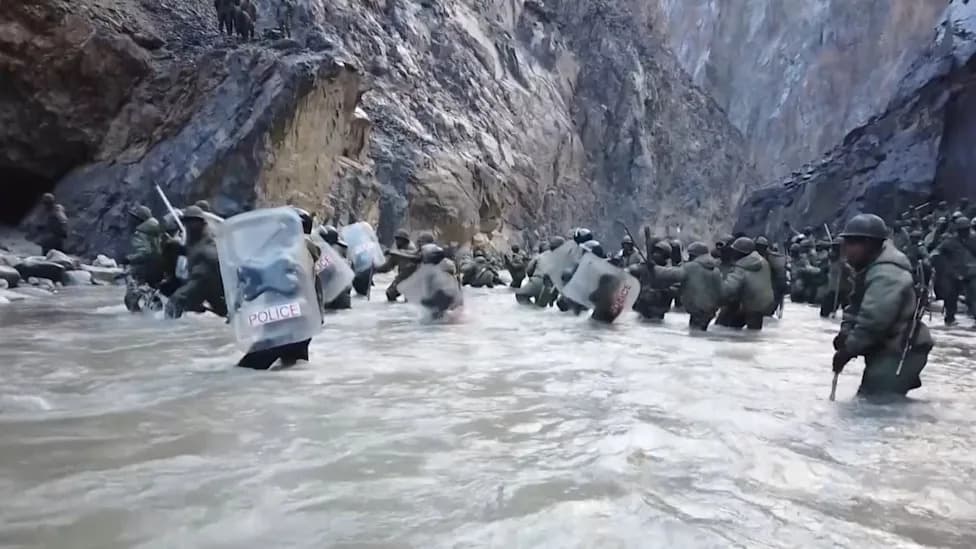
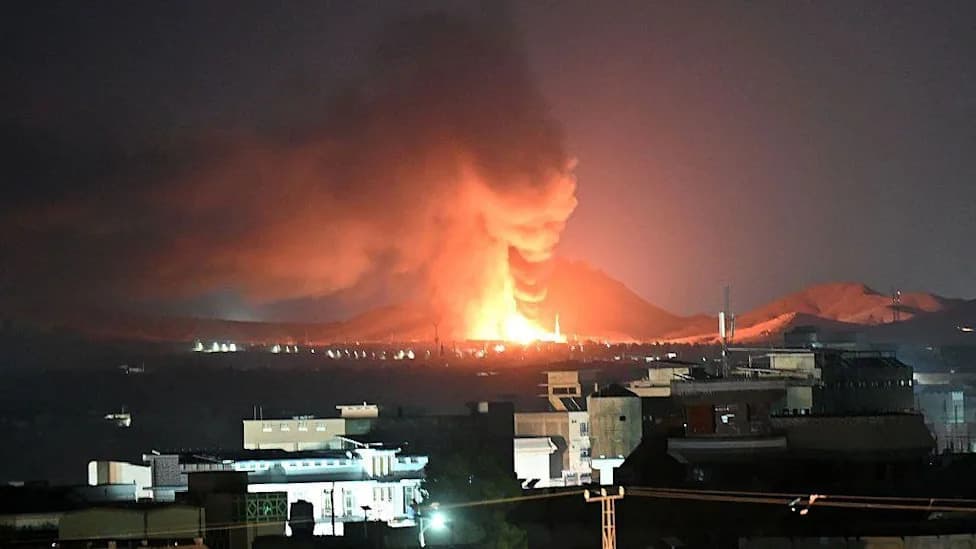
Prime Minister Narendra Modi marked the one‑year anniversary of the Pahalgam attack by pledging to dismantle terrorism and its enabling networks. The crisis began after an April 22 assault that killed 26 people and escalated when India struck targets in Pakistan on May 7, 2025, provoking reciprocal air and artillery exchanges. More than 70 people died in the clashes; Pakistan claims it downed five Indian jets, a claim India has not confirmed. India is also reported to be preparing a test of the Agni‑6 missile, which the government says could extend strike range to roughly 10,000 km.
One Year After Clash, Modi Vows To Dismantle Terror 'Ecosystem' As India-Pakistan Tensions Are Recalled
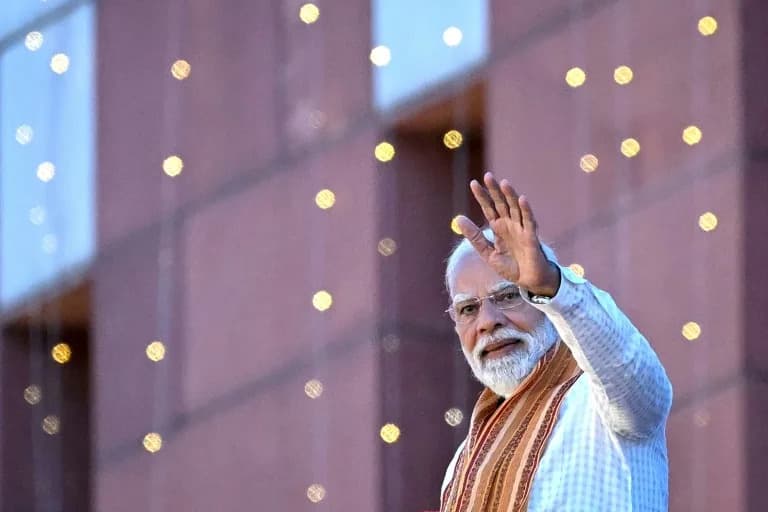
Prime Minister Narendra Modi said India remains "steadfast as ever" (Sajjad HUSSAIN)(Sajjad HUSSAIN/AFP/AFP)
Prime Minister Narendra Modi said India remains "steadfast as ever" in its determination to defeat terrorism and dismantle the networks that enable it, as the country marks one year since a deadly confrontation with neighbouring Pakistan.
The crisis began after an April 22 attack in Pahalgam in Indian‑administered Kashmir that killed 26 men, mostly Hindu tourists. New Delhi accused Pakistan of supporting the assault — an allegation Islamabad denied — and relations quickly plunged into tit‑for‑tat diplomatic expulsions and a sharp military escalation.
Timeline of the Escalation
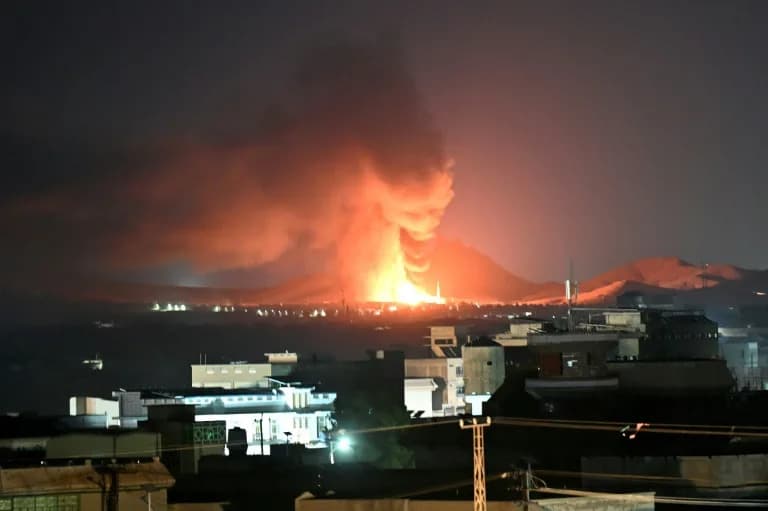
On May 7, 2025, India said it struck what it described as "terrorist camps" inside Pakistan. Islamabad responded almost immediately with airstrikes, drone operations and heavy mortar fire, triggering intense exchanges between the two nuclear‑armed neighbours.
"We remain as steadfast as ever in our resolve to defeat terrorism and destroy its enabling ecosystem," Modi said on the anniversary of what India called "Operation Sindoor," a name drawn from the red powder married Hindu women apply to their foreheads and used by the government to symbolise retaliation for those widowed in the April 22 attack.
Modi lauded the military response: "They gave a fitting response to those who dared to attack innocent Indians at Pahalgam. The entire nation salutes our forces for their valour," he said in a formal statement.
Casualties, Claims and Ceasefire
The exchanges over several days resulted in more than 70 fatalities on both sides. Pakistan says it shot down five Indian fighter jets — including three Rafale aircraft built in France — and asserts those jets were in Indian airspace; India has not publicly acknowledged any aircraft losses.
Both sides agreed to a ceasefire on May 10, ending a four‑day flare‑up. The truce was first publicly announced by then‑US president Donald Trump on his Truth Social platform; officials in Islamabad and New Delhi subsequently confirmed the ceasefire, with India saying the agreement had been worked out directly with Pakistan.
Missile Test Preparations
Separately, India is reported to be preparing to test‑fire a newer variant of its domestically developed Agni ballistic missile. The governing Bharatiya Janata Party (BJP) said in a social media post that the Agni‑6 would have a range of up to 10,000 kilometres (about 6,200 miles) and be capable of carrying multiple warheads — a claim the party used to frame the weapon as strengthening India's deterrent.
Indian media reported that a Notice To Air Missions (NOTAM) has been issued for a warning area over the Bay of Bengal ahead of the planned activity; officials have not published full technical specifications or announced a launch date.
Reactions From Pakistan
On the anniversary, Pakistan reiterated it would robustly defend itself against any aggression and called its response last year measured and principled. A foreign ministry statement described Pakistan's actions as taken with "calm resolve and moral clarity," and warned that any threat to Pakistani territory would be met with national unity and all available means.
Analysts say the episode underscored how quickly bilateral tensions can escalate between two nuclear neighbours, and how domestic politics, military posturing and public messaging shape both countries' narratives about security and deterrence.
What remains clear: the events of last year have left a tense legacy along the border, with both governments emphasising strength and preparedness even as diplomatic channels remain critical to preventing further escalation.
Help us improve.