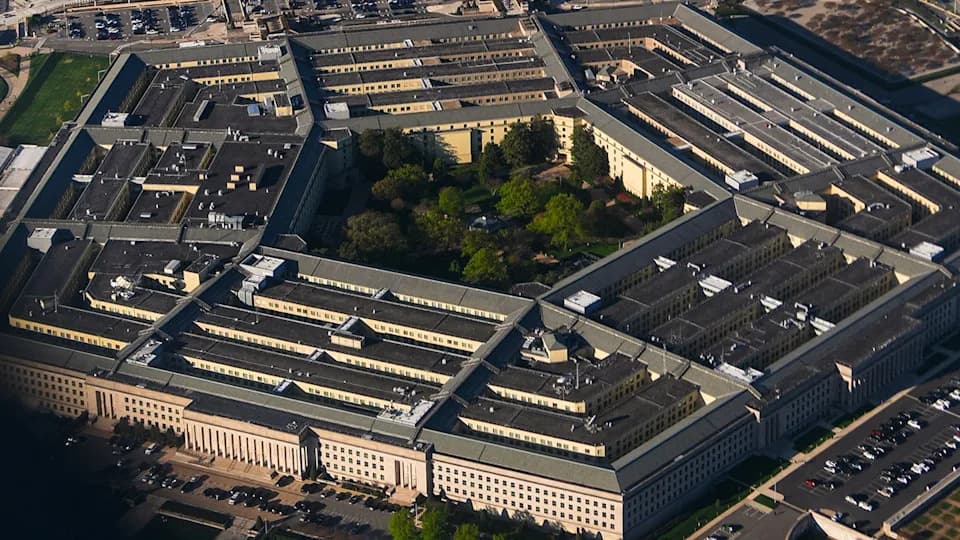
The U.S. military struck a vessel in the eastern Pacific on Tuesday, killing three men, U.S. Southern Command said. The command released video and said Gen. Francis L. Donovan ordered a "lethal kinetic strike," but offered no public evidence that the boat was carrying drugs. The action follows a similar strike in the Caribbean that killed two people; the Pentagon says related strikes since early September have resulted in at least 190 deaths. Critics question the legality of the operations and call for greater transparency and independent verification.
U.S. Strike Kills Three on Suspected Drug Boat in Eastern Pacific; Pentagon Releases Video, Offers No Evidence
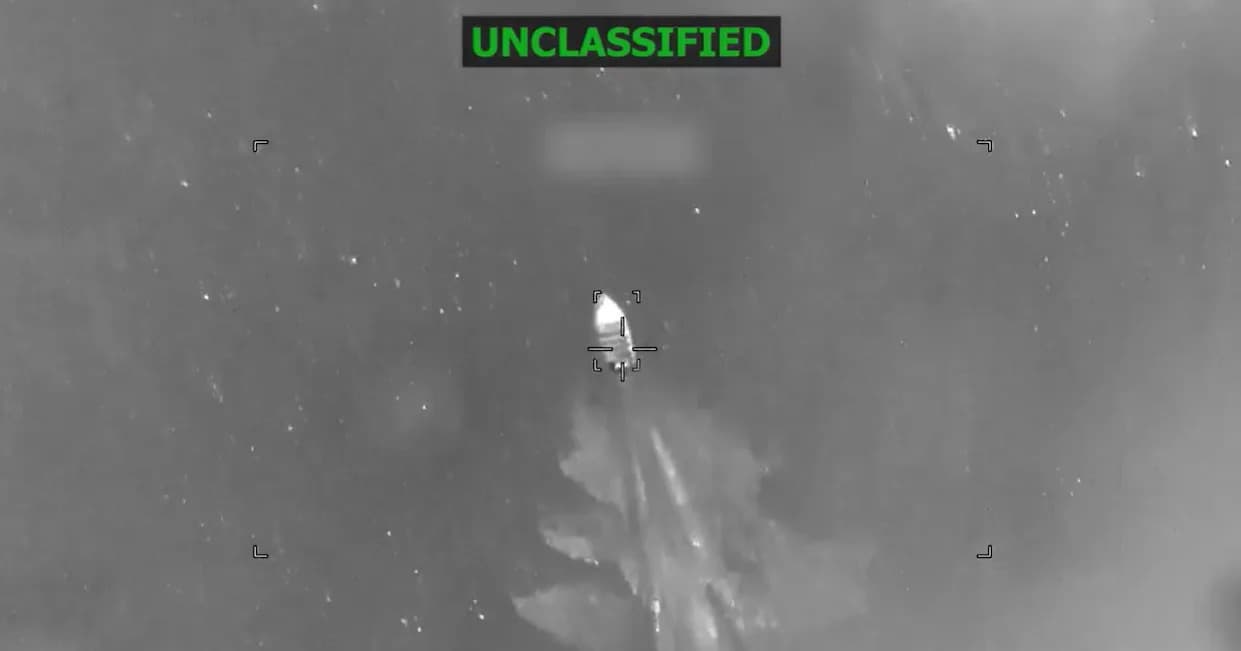
The U.S. military carried out a strike Tuesday on a vessel in the eastern Pacific Ocean, killing three men, U.S. Southern Command said. The command released unclassified video of the attack but provided no public evidence that the vessel was carrying drugs.
What Southern Command Says
In a social media post, U.S. Southern Command said its commander, Gen. Francis L. Donovan, ordered a "lethal kinetic strike" on a boat the command alleged was operated by "Designated Terrorist Organizations" and "was engaged in narco-trafficking operations." The post included an unclassified video showing a boat moving across the water before a large explosion set it ablaze.
"Gen. Francis L. Donovan ordered a lethal kinetic strike on a vessel alleged to be engaged in narco-trafficking operations," U.S. Southern Command said in its post.
Context And Previous Actions
The strike came one day after U.S. forces struck another vessel in the Caribbean Sea, an action that U.S. officials say killed two people. According to Pentagon statements, a campaign of destroying suspected drug-trafficking vessels in Latin American waters began in early September and has, the Pentagon says, resulted in at least 190 deaths.
Officials assert these strikes target known smuggling routes and organizations the U.S. considers threats to regional security. President Trump has described the U.S. as being in an "armed conflict" with cartels in Latin America and has defended the strikes as an escalation intended to reduce the flow of drugs into the United States and curb overdoses.
Questions Remain
Critics and legal experts have raised concerns about the strikes' legality, the threshold for using lethal force at sea, and the transparency of evidence linking targeted vessels to drug shipments or terrorist designations. The military has not publicly presented independent proof that the targeted boats were carrying illegal narcotics or that those killed were confirmed members of designated groups.
Human rights groups, legal analysts and some lawmakers have called for clearer rules of engagement, independent investigations, and full disclosure of the evidence supporting future strikes. U.S. Southern Command has not publicly released additional details about the intelligence supporting Tuesday's strike.
What to Watch: Look for follow-up statements from the Pentagon, independent verification from journalists or international monitors, and any congressional inquiries into the legal basis and oversight of these maritime strikes.
Help us improve.