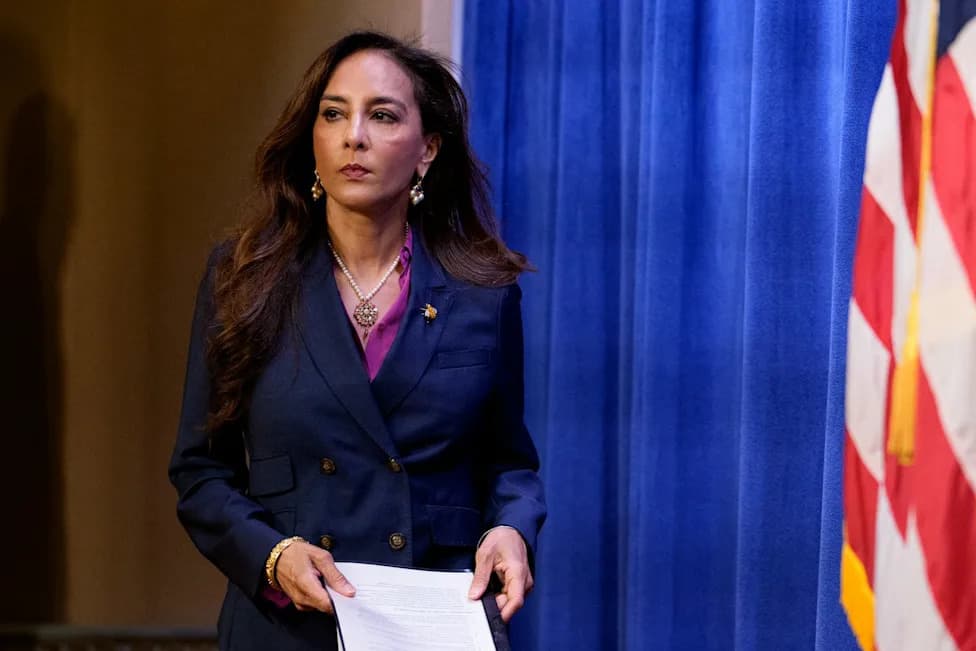
The Supreme Court fast-tracked implementation of a recent ruling that found Louisiana’s congressional map to be an unconstitutional racial gerrymander, allowing state officials to move quickly toward a new map before the 2026 midterms. Justice Samuel Alito, joined by Justices Gorsuch and Thomas, sharply rebuked Justice Ketanji Brown Jackson’s lone dissent as "baseless and insulting," rejecting her call to delay implementation. Jackson warned the Court’s intervention could create an "appearance of partiality" given ongoing voting and legal challenges. Observers said the exchange highlights growing friction on the Court and raises practical questions about election timing as ballots have already been mailed.
Alito Rebukes Jackson’s Solo Dissent as Supreme Court Fast-Tracks Louisiana Redistricting Ahead of 2026
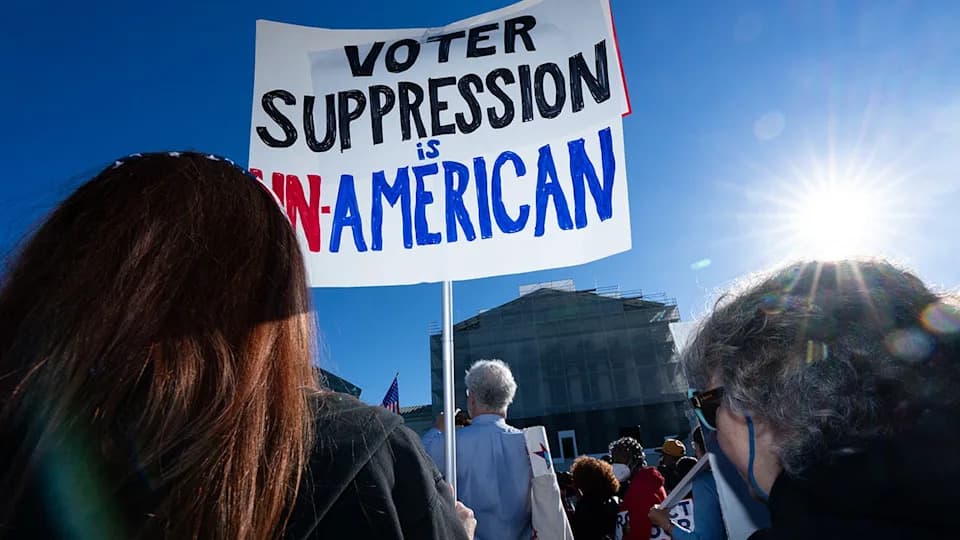
Voting rights activists protest outside the U.S. Supreme Court in Washington on Oct. 15, 2025, as the court prepares to hear arguments challenging Louisiana's congressional map.(Getty Images)
Justice Samuel Alito sharply criticized Justice Ketanji Brown Jackson’s lone dissent in a high-profile Louisiana redistricting dispute, calling her objections "baseless and insulting" after the Supreme Court moved to accelerate implementation of its recent redistricting decision ahead of the 2026 midterm elections.
What Happened
In an unsigned order issued Monday, the Court allowed Louisiana officials to proceed quickly with a new congressional map. That action follows a 6–3 ruling last month that significantly narrowed Section 2 of the Voting Rights Act by concluding that Louisiana’s previous map amounted to an unconstitutional racial gerrymander.
Alito’s Response
Writing in a concurring opinion joined by Justices Neil Gorsuch and Clarence Thomas, Alito directly rebuked Jackson’s dissent, saying it "levels charges that cannot go unanswered." He described Jackson’s call to delay formal implementation as "trivial at best" and called her characterization of the Court’s conduct "groundless and utterly irresponsible."
"The dissent goes on to claim that our decision represents an unprincipled use of power," Alito wrote. "It is the dissent’s rhetoric that lacks restraint."
Jackson’s Concerns
Justice Jackson warned that the Court’s intervention risked improperly inserting itself into an active election and creating an "appearance of partiality," citing ongoing voting processes and legal challenges in Louisiana. She invoked the Court’s customary procedural practice of allowing roughly 32 days before a judgment is formally transmitted to lower courts as a reason to delay implementation.
Procedural Issue And Reactions
Alito emphasized that the typical 32-day window is flexible and mainly exists to permit rehearing petitions — which he indicated were not expected in this case. Observers noted the unusually sharp tone of Alito’s rebuttal, suggesting deeper tensions on the bench. George Washington University law professor Jonathan Turley commented that Alito appeared to have reached a breaking point in responding to Jackson’s criticism.
Practical Consequences
The expedited ruling has pushed Louisiana into a scramble to implement a new map while ballots have already been mailed and the state’s primary remains paused. The decision is likely to affect the state’s congressional representation in a way that benefits Republicans and could have broader implications for election administration and redistricting across the country ahead of 2026.
Legal stakes: The dispute centers on interpretation of the Voting Rights Act, timing of judicial intervention in election administration, and how courts weigh procedural norms against pressing electoral timelines.
Help us improve.