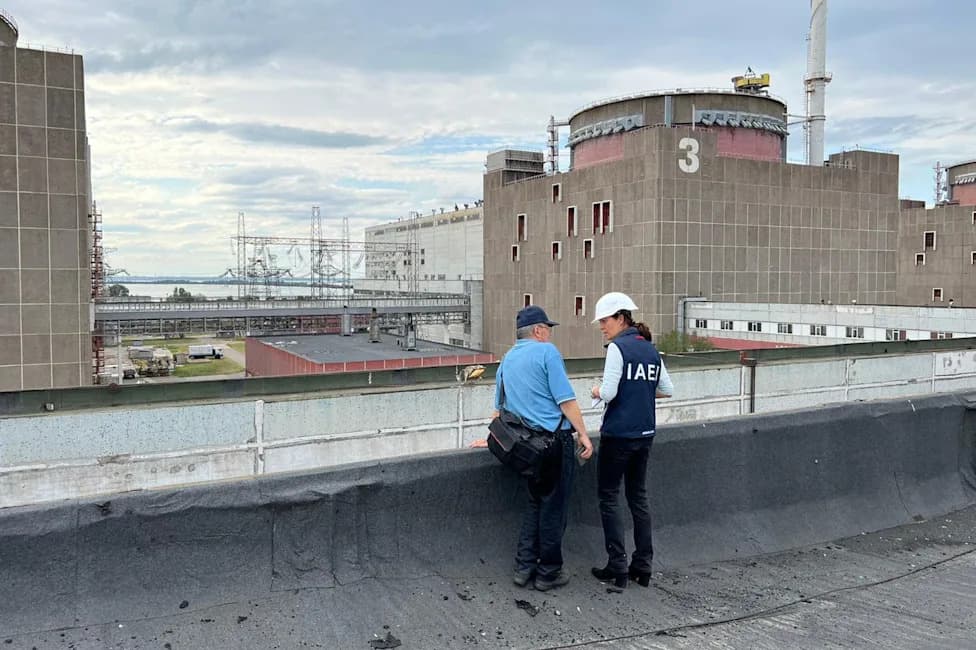
The IAEA said meteorological monitoring equipment at the Russian-held Zaporizhzhia nuclear plant was damaged by a drone. Its experts inspected the External Radiation Control Laboratory and found some monitoring instruments no longer operational. Director General Rafael Grossi renewed an appeal for maximum military restraint near nuclear facilities, and the agency is seeking a local ceasefire to repair an external power line that has been down since late March.
IAEA Says Drone Damaged Meteorological Equipment at Zaporizhzhia Nuclear Plant
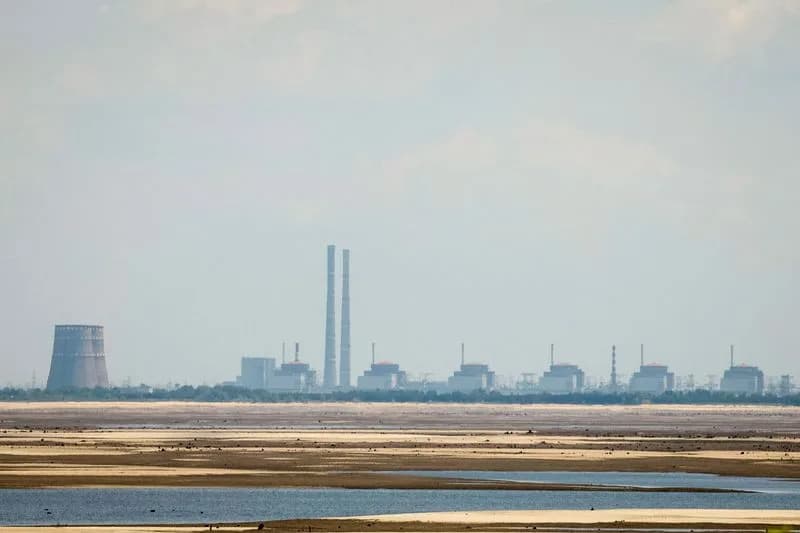
FILE PHOTO: A view shows Zaporizhzhia Nuclear Power Plant from the bank of Kakhovka Reservoir near the town of Nikopol in Dnipropetrovsk region, Ukraine June 16, 2023. REUTERS/Alina Smutko/File Photo
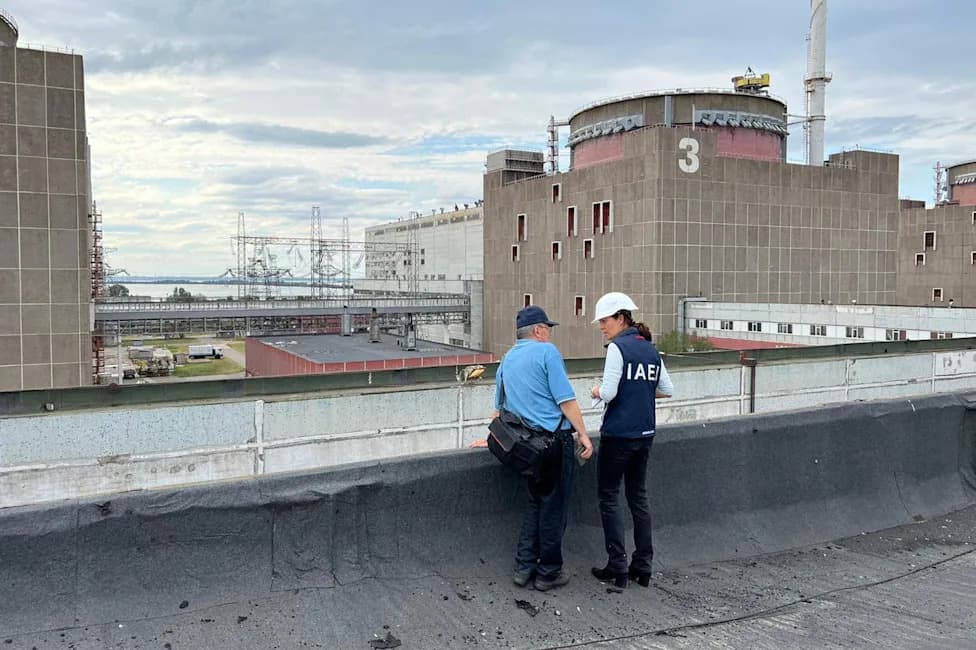
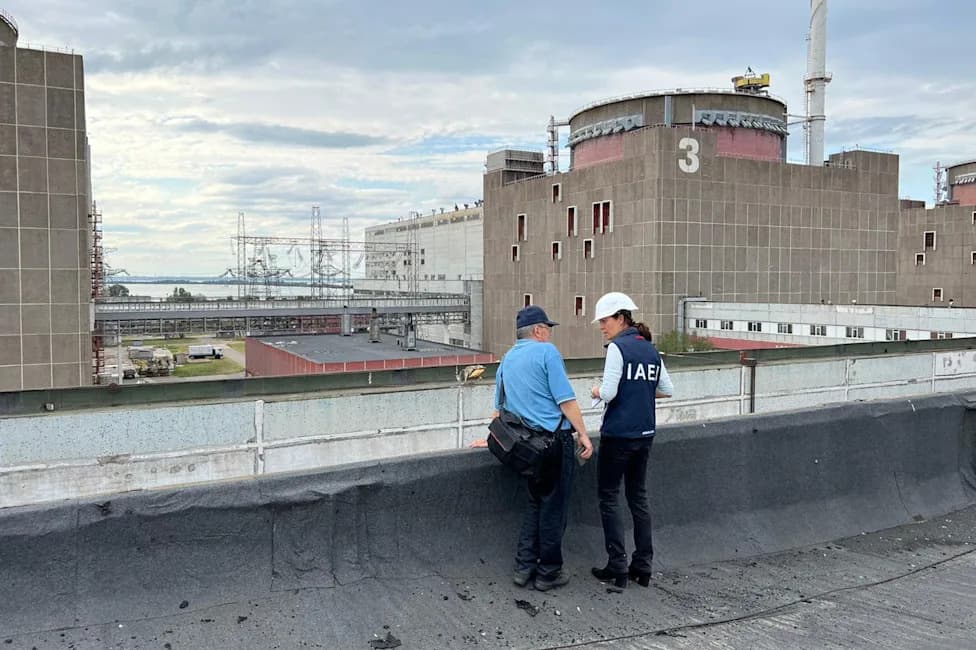
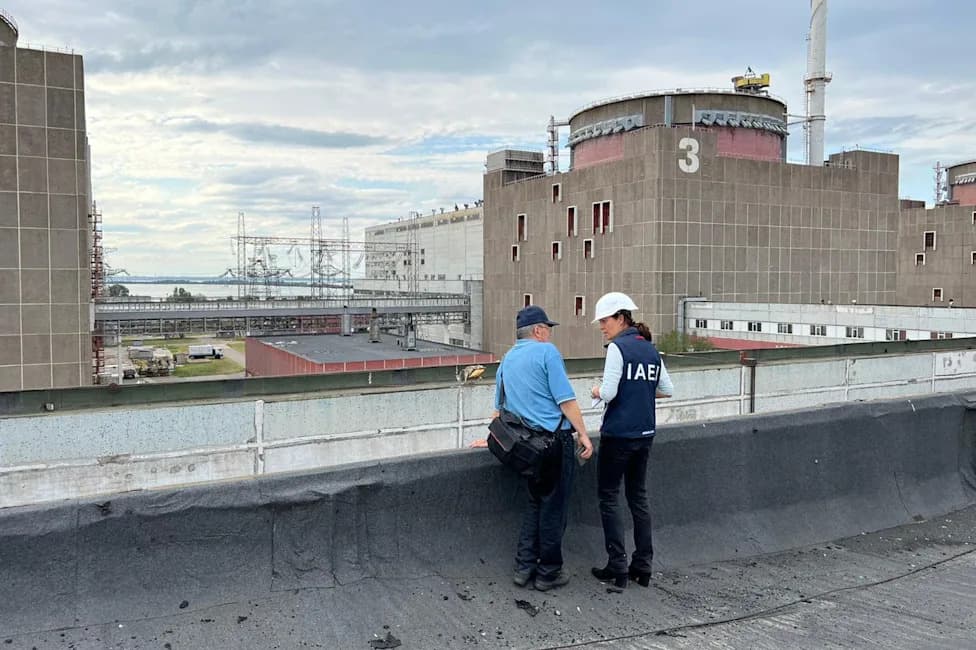
The International Atomic Energy Agency (IAEA) reported on Monday that meteorological monitoring equipment at the Russian-held Zaporizhzhia nuclear power plant in southeastern Ukraine was damaged in a drone strike.
Zaporizhzhia is Europe’s largest nuclear power station, with six reactors. Russian forces seized the site in the early weeks of Moscow’s February 2022 invasion, and the plant now produces no electricity. Both Kyiv and Moscow have repeatedly accused one another of actions that risk nuclear safety at the facility, which lies close to active front lines.
IAEA experts visited the station’s External Radiation Control Laboratory (ERCL) a day after plant management reported the drone incident. In its statement the agency said:
"Team observed damage to some of the lab's meteorological monitoring equipment which is no longer operational."
The IAEA said Director General Rafael Grossi reiterated an appeal "for maximum military restraint near all nuclear facilities to avoid safety risks." The agency stressed that reliable environmental and meteorological monitoring is vital for safe plant operations and emergency preparedness.
Plant management has reported that the recent damage was minor and that operations were otherwise unaffected. However, one of the plant’s external power lines — critical for keeping nuclear fuel cooled — has been out of service since late March. The IAEA said it is trying to negotiate a local ceasefire to allow technicians to carry out urgent repairs.
IAEA Presence and Ongoing Concerns
Rafael Grossi has made several visits to Zaporizhzhia since it fell under Russian control. The IAEA has placed permanent observers at Zaporizhzhia and at Ukraine’s three other functioning nuclear stations to monitor safety conditions and reduce the risk of accidents amid the conflict.
The agency continues to call for calm and restraint around all nuclear sites, warning that even seemingly small hits to monitoring or power infrastructure can pose heightened safety risks.
Help us improve.