Pirates have seized at least three vessels off Somalia in a short series of attacks — the highest 10-day spike since 2012. Incidents include a cement ship flagged to St. Kitts and Nevis and a fuel tanker carrying about 18,000 barrels, with attacks clustered off Puntland near Hafun and Bandarbeyla. The Maritime Security Centre Indian Ocean warns ships to remain vigilant within 150 nautical miles of the coast between Mogadishu and Hafun. Analysts warn a sustained return of piracy could further destabilize global shipping lanes already strained by regional conflicts.
Piracy Surge Off Somalia: Three Ships Hijacked in 10 Days — Biggest Spike Since 2012
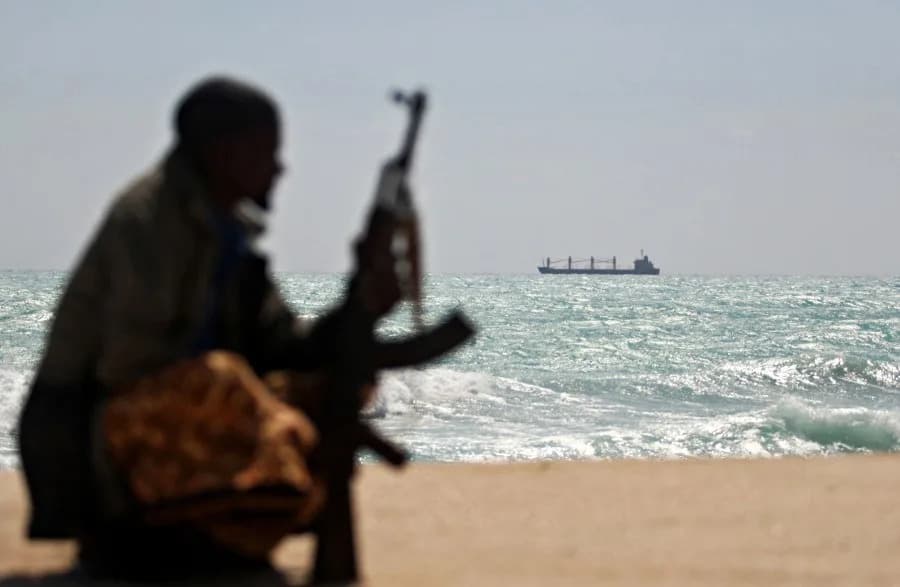
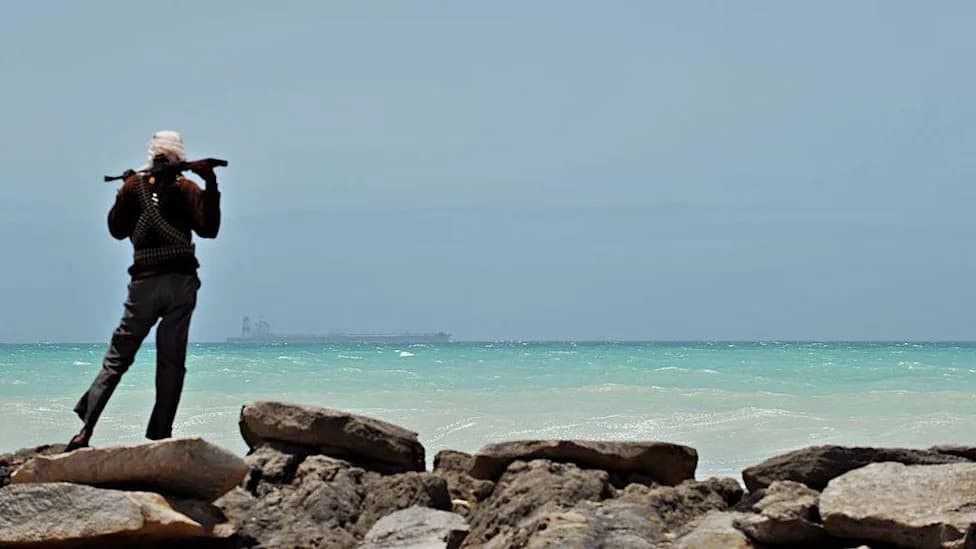
Pirates have seized at least three vessels off Somalia’s coast in a concentrated wave of attacks, prompting fresh concerns that armed maritime piracy may be re-emerging in the region.
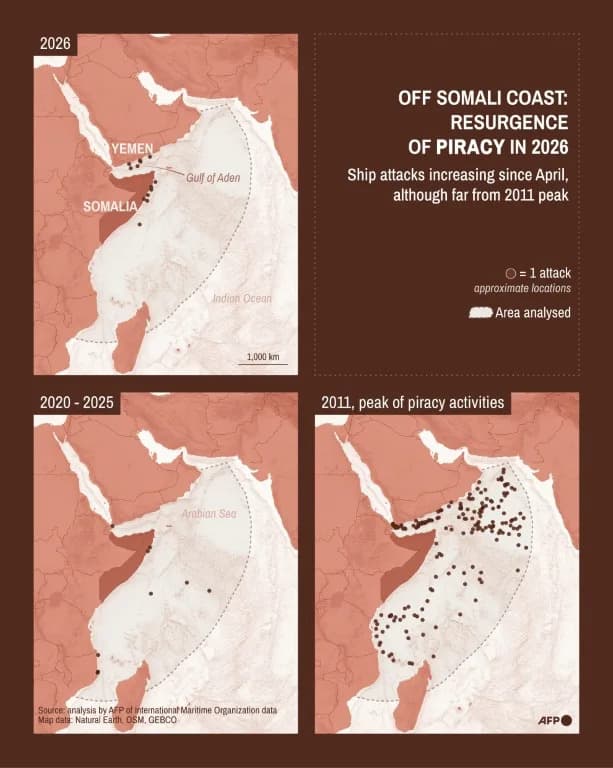
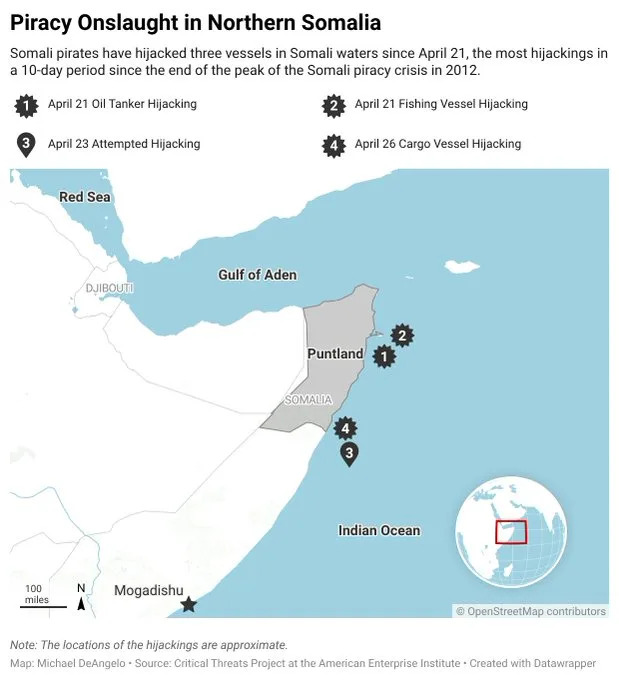
According to the Critical Threats Project at the American Enterprise Institute, these incidents represent the highest number of hijackings in Somali waters within a 10-day period since the peak of the piracy crisis in 2012.
The Maritime Security Centre Indian Ocean (MSCI), the European Union naval force’s tracking service, reported that a cargo ship carrying cement and flying the flag of St. Kitts and Nevis was taken off the Somali coast a day after a traditional dhow was seized. The cement vessel had departed Egypt bound for Mombasa, Kenya, when nine armed individuals reportedly boarded and took control.
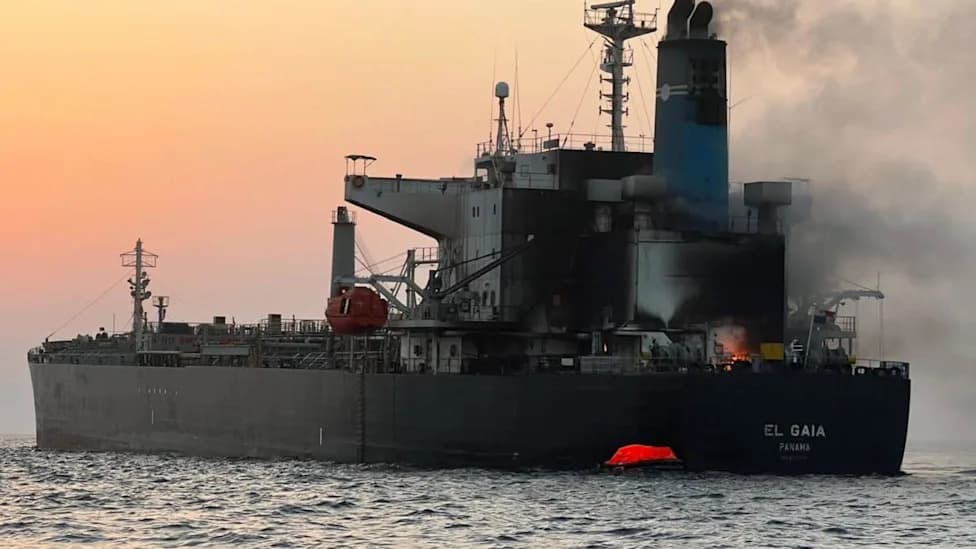
On April 21 a fuel tanker carrying roughly 18,000 barrels of crude oil was captured in waters between the northeastern Somali towns of Hafun and Bandarbeyla in Puntland. A fishing vessel was also seized the same day, and another attempted hijacking was reported on April 23.
“Sustained piracy off the Somali coast would degrade security in another vital global shipping lane amid the fallout from the Iran war and create opportunities for al Shabaab to benefit financially and further its ties with the Houthis,” the Critical Threats Project said.
MSCI has urged vessels to maintain heightened vigilance, especially within 150 nautical miles of the Somali coast between Mogadishu and Hafun, and to follow recommended reporting and evasive procedures.
Context and Risks
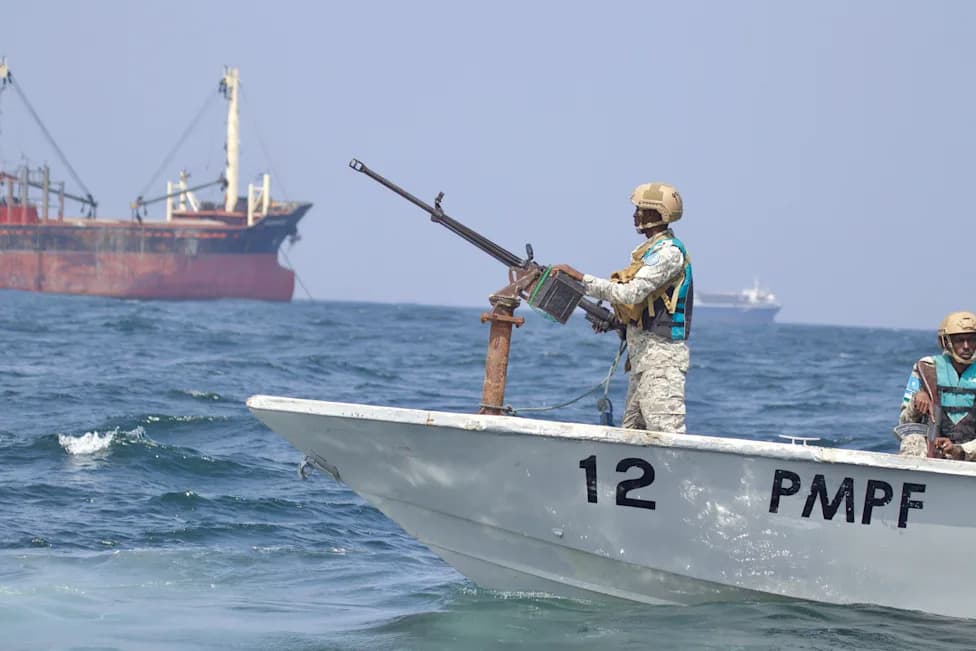
Piracy in Somali waters once ranked among the world’s most dangerous. International naval patrols, convoys, and improved onboard security measures sharply reduced attacks over the past decade. Still, analysts warn that a renewed, sustained campaign of hijackings could further destabilize crucial shipping lanes already strained by other regional conflicts.
Disruptions tied to Iran’s effective closure of the Strait of Hormuz amid its conflict with the United States and Israel — ongoing since late February — and attacks by Iranian-backed Houthi forces near the Bab el-Mandeb strait add to the pressure on global maritime trade.
Historical Background
Modern piracy off Somalia traces back to the 1980s and accelerated after the civil war and the disbanding of the Somali Navy in 1991 left waters largely undefended. Local fishermen who initially organized to protect their waters evolved into armed groups that escalated attacks in the early 2000s, frequently seizing ships and holding crews for ransom.
- Piracy incidents peaked in 2011 with 243 hijackings.
- The World Bank previously estimated Somali piracy cost the global economy as much as $18 billion per year at its height.
- Ransoms have reportedly earned pirates hundreds of millions of dollars over time; in April 2024 about $5 million was reportedly paid to free a seized vessel.
Tactics and Enforcement Challenges
Somali pirate groups commonly use larger “mother ships” to launch smaller attack craft far from shore, approach targets at speed, board using ladders, and then direct captured vessels toward Somali territory to extract ransom. The vast size of the Indian Ocean and Gulf of Aden makes constant enforcement difficult despite multinational patrols and surveillance.
What this means: A continued uptick in hijackings could raise insurance costs, force route changes, slow cargo flows and further complicate an already fragile international maritime security environment. Shipping companies and mariners should follow guidance from MSCI and international naval authorities and report suspicious activity immediately.
Help us improve.