Penn State scientists used neutron radiography and activation analysis at the Breazeale Nuclear Reactor to examine a corroded metal panel recovered near Howland Island that was once considered a possible piece of Amelia Earhart’s Electra. The November 2022 analysis revealed possible markings like "D24" and "335/385", but the panel was not conclusively identified. By 2024 the piece was likely attributed to a Douglas C-47 after a rivet-pattern match. The tests improved Penn State’s neutron-imaging techniques, which have been applied to other research areas such as microplastics.
Penn State Put a Corroded Panel in a Nuclear Reactor to See If It Came From Amelia Earhart’s Plane

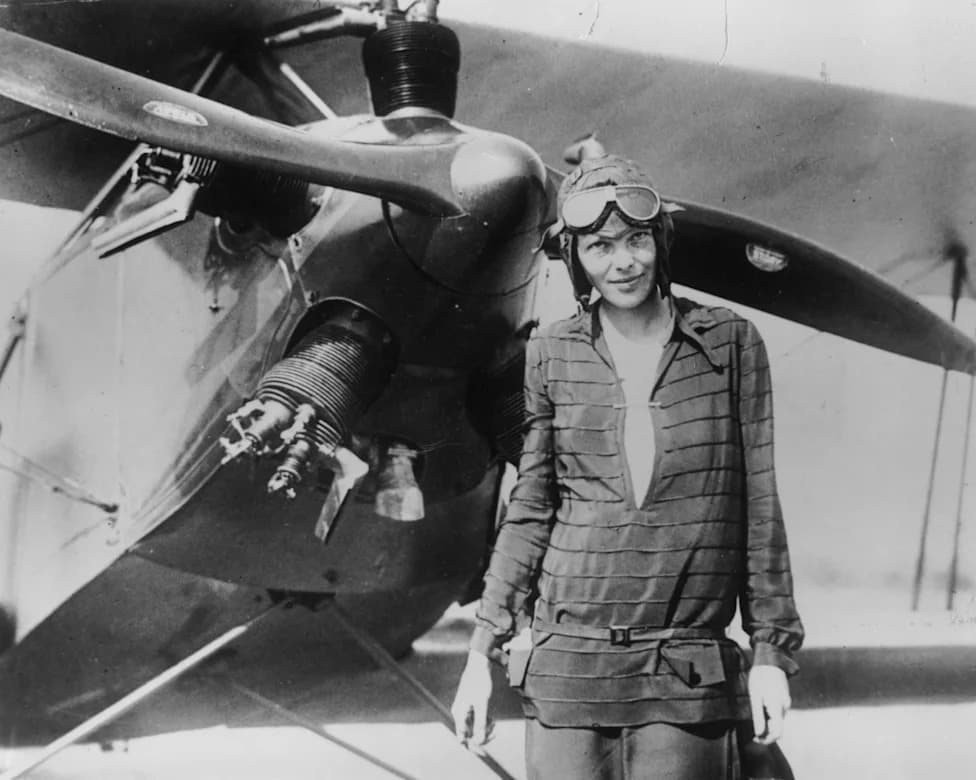
Did This Metal Chunk Come From Amelia’s Plane?Bettmann - Getty Images
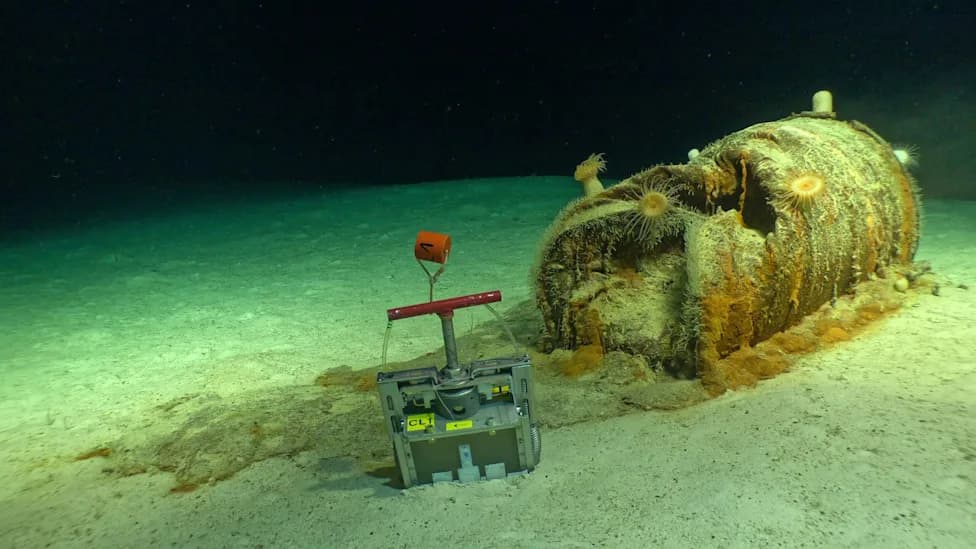
Researchers at Penn State’s Radiation Science and Engineering Center (RSEC) used the university’s Breazeale Nuclear Reactor to probe a long-standing lead in the Amelia Earhart disappearance: a corroded metal panel recovered in 1991 that some thought might be from Earhart’s Lockheed Model 10-E Electra.
On July 2, 1937, Earhart and navigator Fred Noonan vanished while flying toward Howland Island in the central Pacific, roughly 1,700 miles southwest of Honolulu. The Electra never reached the tiny island, and decades of searches and speculation have produced claims ranging from debris finds to disputed eyewitness accounts.
A persistent clue emerged when aviation researcher Ric Gillespie recovered a battered scrap of metal about 300 miles from Howland in 1991. In 2021, Daniel Beck, manager of Penn State’s RSEC engineering program, invited Gillespie to bring the piece to the Breazeale Reactor so scientists could examine it using neutron-based techniques.
Why Use Neutrons?
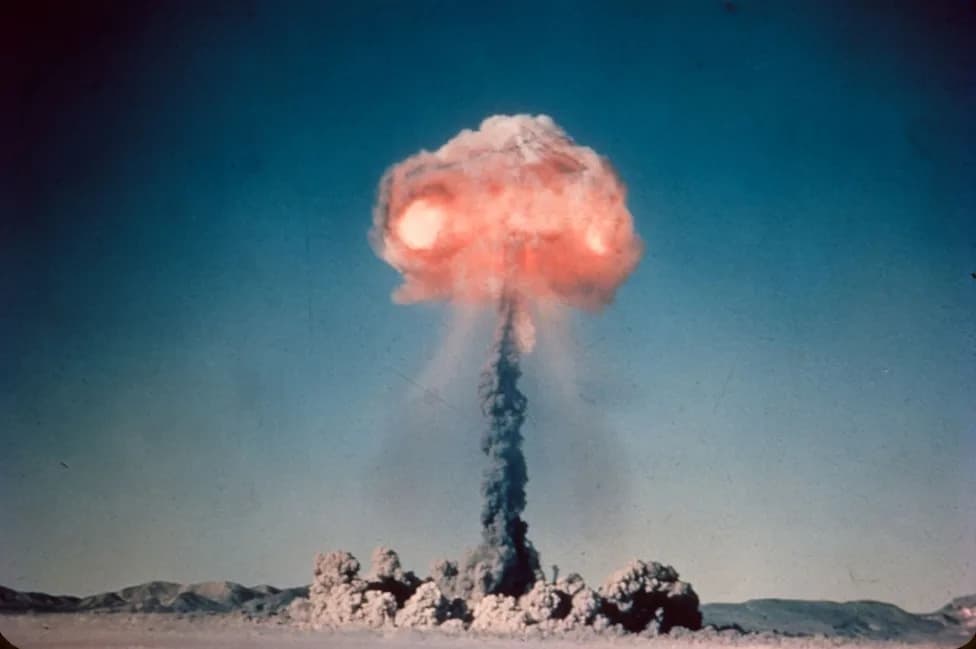
Neutron radiography and neutron activation analysis probe materials differently than conventional X-rays. Neutrons can penetrate corrosion and reveal contrasts between metals, painted layers, and organic residues — making them useful for detecting faint stamps, serial numbers, or hidden paint that visual inspection can miss.
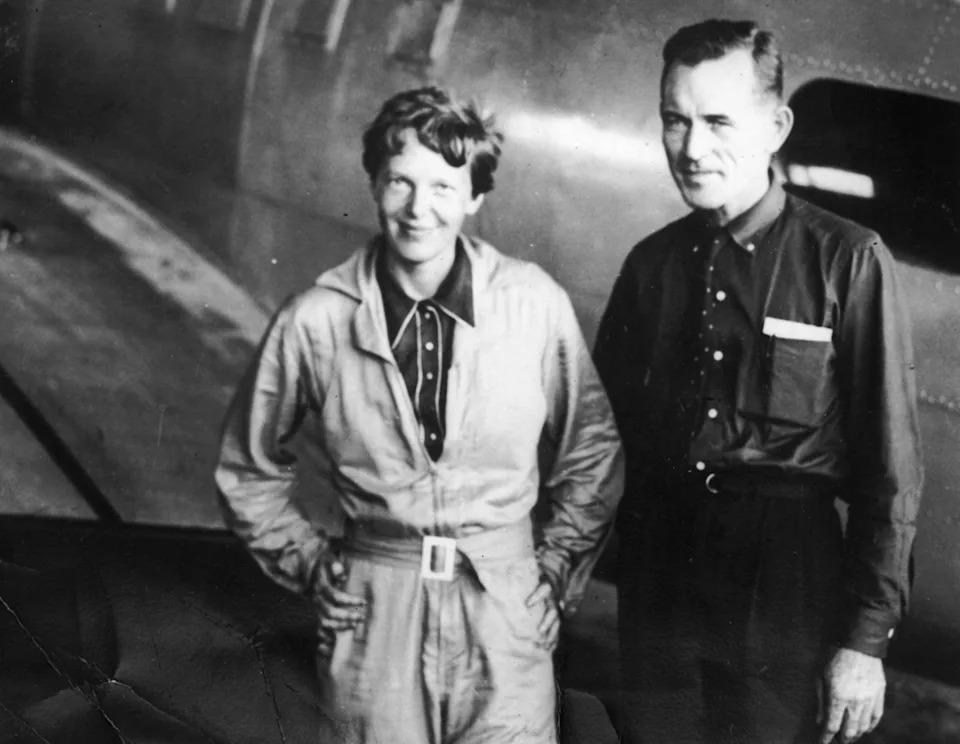
Earhart and Noonan, June 1937.Topical Press Agency - Getty Images
“A sample is set in front of the neutron beam, and a digital imaging plate is placed behind the sample,” Penn State explained. “The neutron beam passes through the sample into the imaging plate, and an image is recorded and digitally scanned.”
Investigators initially hoped to study the panel's edges for signs of how it had been detached — for example, whether one side bore marks consistent with an axe. Later, improved neutron imaging revealed what appeared to be stamped or painted characters on the corroded surface.
Results and Follow-Up
In November 2022 Penn State completed a final analysis and reported possible markings resembling "D24" and "335 (or maybe 385)". The team emphasized that the meaning of those impressions remained uncertain and that the tests did not definitively identify the panel's origin.
The reactor work nonetheless had scientific payoff: it helped refine Penn State’s neutron-imaging methods, which the lab later applied to other problems such as microplastics research.
By 2024, Popular Mechanics reported that Gillespie accepted a later identification of the panel as likely coming from a Douglas C-47 cargo plane, based on a rivet-pattern match to a C-47 upper wing at the New England Air Museum. The outcome underlines an important point about forensic inquiry: ruling out a hypothesis is itself valuable, and careful testing advances knowledge whether or not it confirms an initial lead.
Bottom line: Neutron imaging at Penn State provided new, noninvasive ways to read heavily corroded artifacts and produced intriguing markings, but it did not resolve the mystery of Earhart’s disappearance. The effort demonstrates how modern science can clarify — or eliminate — historic leads.
Help us improve.