The National Trust and independent researchers have identified a 50m concrete ring at Orford Ness as part of an R‑System radar deployed in the early 1960s to detect nuclear explosions and rocket launches. Steve Clifton and Olaf Kirchner met R‑System creator Ed Lyon in Maryland, who supplied archival photos and film confirming the ring’s role. Only about eight such rings were built worldwide before satellites made the system obsolete, and the find sheds new light on Orford Ness’s secretive Cold War past.
Cold War Secret Solved: 50m Concrete Ring at Orford Ness Identified as R‑System Radar

Archaeologist Angus Wainwright said the Orford Ness ring had intrigued him for years [James Dobson/National Trust]
The National Trust says researchers have finally solved the decades‑old mystery of a large concrete ring at Orford Ness — revealing it as part of a Cold War radar system designed to detect nuclear detonations and rocket launches.
Discovery and Verification
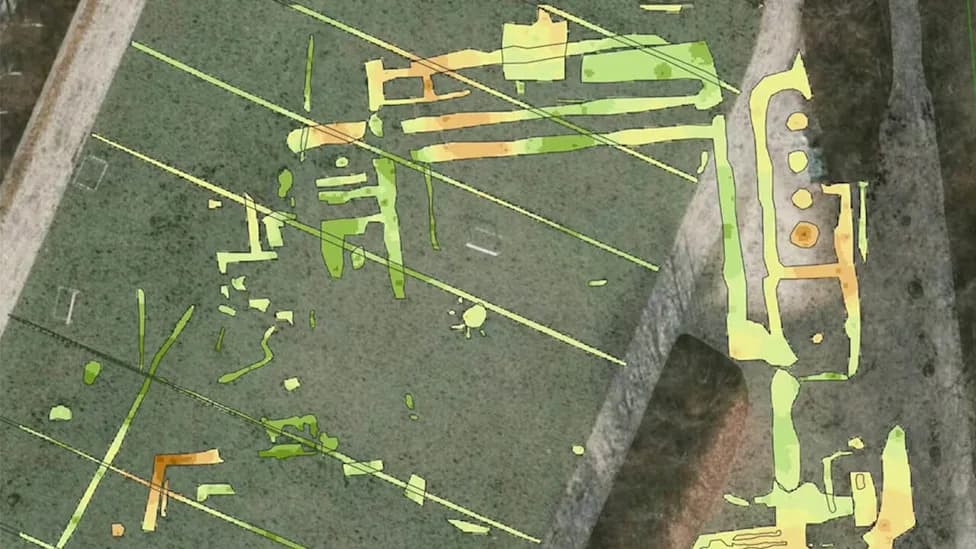
The 50m (164ft) circular concrete structure, which puzzled staff and volunteers at the coastal nature reserve since the Trust took over the site in 1993, has been linked to the R‑System radar. Researchers Steve Clifton and Olaf Kirchner traced the system to its creator, Ed Lyon, who confirmed the Orford Ness ring was part of the R‑System after reviewing archival photographs and film.
What the Ring Was For
Built by the US Air Force in the early 1960s, the ring once supported a steerable helical transmitter capable of detecting activity thousands of miles away. The Trust believes only around eight such rings were constructed worldwide. The R‑System was largely superseded by satellite technology by the end of the 1960s.
Research Journey
Clifton and Kirchner first visited Orford Ness in 2018 and later joined the International Research Group Orford Ness. In 2020 they contacted 94‑year‑old Ed Lyon, the R‑System's designer, and in October last year travelled to Maryland to meet him. Lyon provided photographic and video evidence from the system's operational period that confirmed the ring’s role.
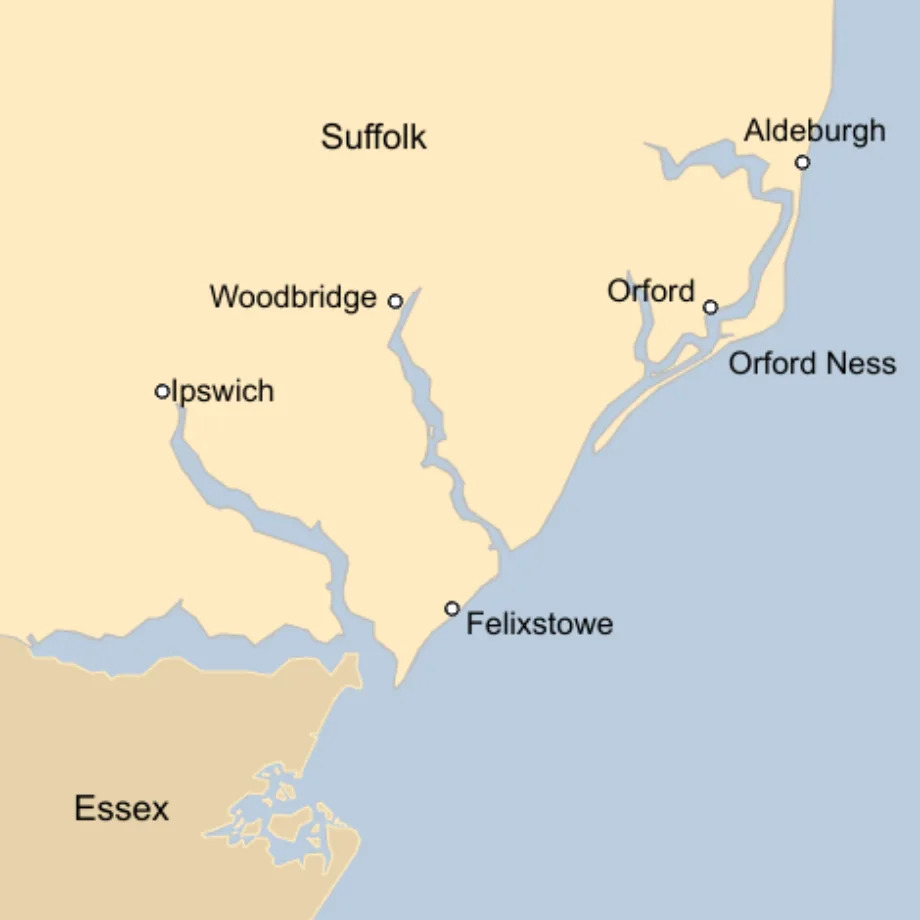
Map
"It turned out that Ed himself had no idea that this radar system had been set up in England," Kirchner said. "He had to get security clearance to talk to us about it, and we listened in awe for over two hours, getting first‑hand accounts of Cold War intelligence gathering systems. It was a researcher's dream."
Comparisons and Context
While in the US, the researchers examined two other rings, including one at Roswell, New Mexico, and found similarities in orientation and technical details with the Orford Ness structure. Many who worked on these projects kept silent because of extreme secrecy, and some took their knowledge to the grave; although many documents are now declassified, locating them can be difficult.
Orford Ness: From Secret Test Site to Nature Reserve
Orford Ness is a vegetated shingle spit about 10 miles (16 km) long, joined to the mainland near Aldeburgh. A large part of it was purchased by the War Department in 1913 and used for top‑secret trials during both world wars and into the nuclear age. Today the site is managed by the National Trust and is also known for a large colony of grey seals.
Significance: The identification of the ring as an R‑System component adds an important piece to Orford Ness’s Cold War story and highlights the value of archival research and international collaboration in unearthing hidden aspects of military history.
Sources: National Trust; interviews with researchers Steve Clifton and Olaf Kirchner; statements from National Trust archaeologist Angus Wainwright.
Help us improve.