
Three passengers have died and several others are ill after a suspected hantavirus outbreak aboard the MV Hondius, which is anchored off Praia, Cape Verde. One case has been confirmed by laboratory testing; five additional cases are suspected. Authorities—including the WHO and national health agencies—are coordinating medical care, evacuations and a full epidemiological investigation, while stressing there is currently no need for public panic or travel restrictions.
Suspected Hantavirus Aboard MV Hondius: Three Passengers Dead, One Case Confirmed
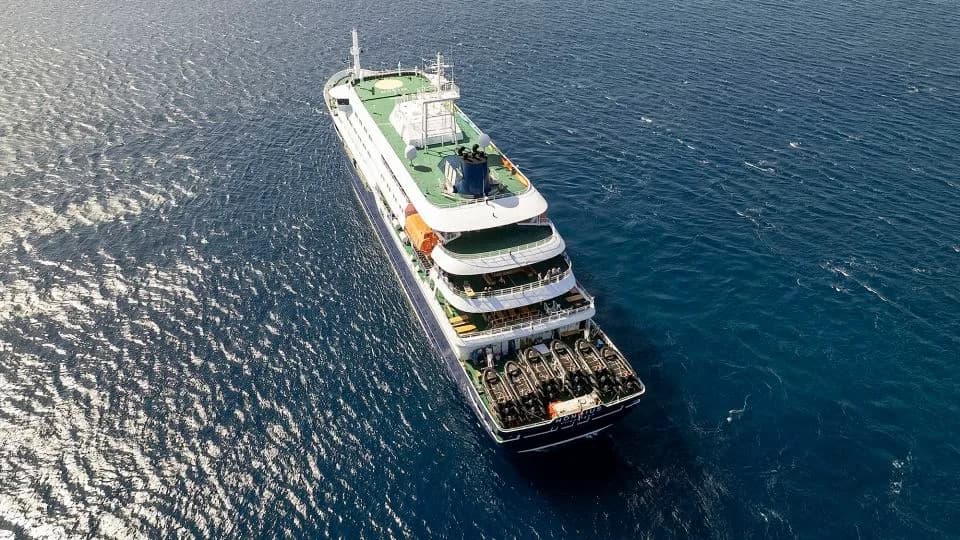
TOPSHOT - This aerial picture shows a general view of the cruise ship MV Hondius stationary off the port of Praia, the capital of Cape Verde, on May 3, 2026. An outbreak of "severe acute respiratory illness" on board a cruise ship in the Atlantic has left two people dead and a third in intensive care in Johannesburg, South Africa's health ministry told AFP on May 3, 2026. The outbreak occurred on the MV Hondius, travelling from Ushuaia in Argentina to Cape Verde. The patient being treated in Johannesburg tested positive for a hantavirus, a family of viruses that can cause hemorrhagic fever, South African spokesperson Foster Mohale said. (Photo by AFP via Getty Images) - AFP/Getty Images
Three passengers have died and several others are ill after a suspected hantavirus outbreak aboard the cruise ship MV Hondius, which is anchored off Praia, Cape Verde, the World Health Organization (WHO) said. One case has been laboratory-confirmed; five additional cases are considered suspected and investigations are ongoing.
What Happened
Oceanwide Expeditions, which operates the vessel, said the three deceased were passengers. The ship—carrying 149 people, including 17 U.S. citizens—sailed from Ushuaia, Argentina, roughly seven weeks earlier, visited Antarctica and Saint Helena, and anchored off Praia after making those calls.
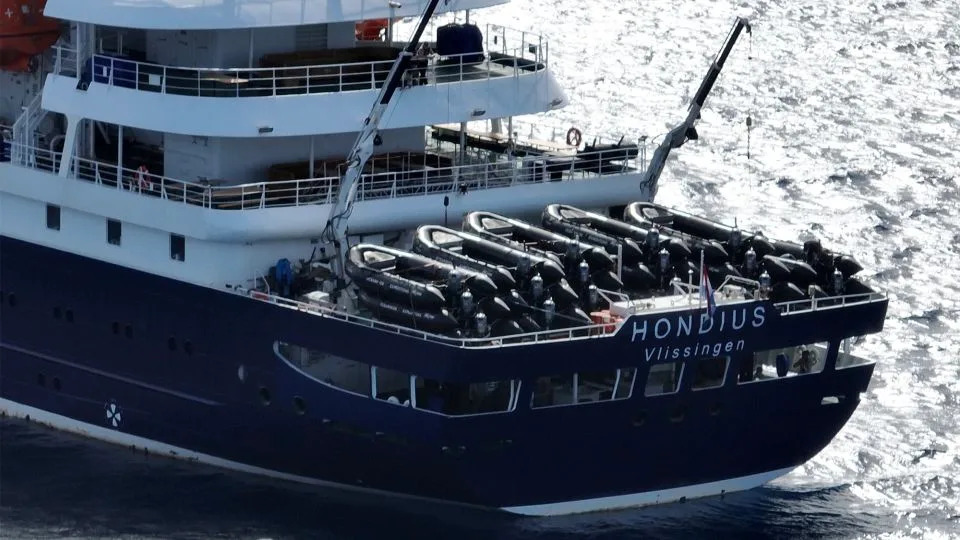
This aerial picture shows a general view of the cruise ship MV Hondius stationary off the port of Praia, the capital of Cape Verde. - CNN
Timeline And Known Cases
- April 11: A 70-year-old Dutch man fell ill onboard with fever, headache, abdominal pain and diarrhea and died on the ship.
- April 24: The man’s body was disembarked at Saint Helena for repatriation.
- Shortly after: His 69-year-old Dutch wife collapsed at a South African airport while trying to return home and later died; authorities have not confirmed whether those two deaths are linked to the onboard outbreak.
- April 27: A British passenger became ill after the ship left Saint Helena and is now the only laboratory-confirmed hantavirus case; he remains in critical condition in Johannesburg.
- May 2: A German national died aboard the MV Hondius; cause of death is under investigation.
- Two crew members (one British, one Dutch) are experiencing acute respiratory symptoms and require urgent care; their hantavirus status is pending.
Public Health Response
Cape Verde health authorities have not permitted the ship to dock, citing public health precautions. A local medical team has boarded to assess and treat symptomatic individuals. The WHO is coordinating with member states and the ship’s operator to support medical evacuations, laboratory testing and a full epidemiological assessment. Dutch authorities have agreed to repatriate two symptomatic crew members and one deceased passenger.
“There is no need for panic or travel restrictions,”
— Hans Kluge, WHO Regional Director for Europe
Transmission, Symptoms And Risk
Hantaviruses are typically transmitted to humans via contact with infected rodents or their urine, droppings or saliva. Only one hantavirus strain—the Andes virus, primarily found in parts of Chile and Argentina—has documented (but rare) person-to-person transmission. The MV Hondius began its voyage in that region, so investigators are exploring all possibilities, including environmental contamination aboard the ship or a single passenger contracting an Andes strain.
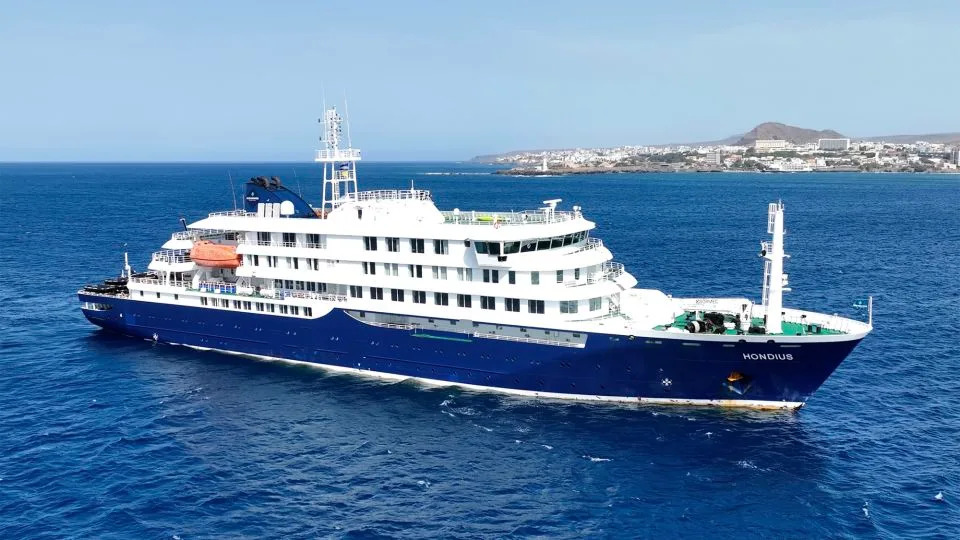
Three people died on board the MV Hondius. - CNN
Early symptoms of hantavirus infection include fatigue, fever and muscle aches, sometimes with headache, dizziness, chills or gastrointestinal symptoms. If hantavirus pulmonary syndrome develops, patients may experience coughing, shortness of breath and severe respiratory distress. There is no specific antiviral cure; treatment is supportive and may include mechanical ventilation for severe respiratory failure. The U.S. Centers for Disease Control and Prevention (CDC) estimates roughly 38% mortality among patients who develop respiratory symptoms.
Current Status And Ongoing Investigations
Of six symptomatic people linked to the ship, the WHO says one case is lab-confirmed and five remain suspected. Detailed laboratory testing and epidemiological work are underway to determine the source and whether any human-to-human transmission occurred. Authorities continue to monitor the situation closely and provide care to passengers and crew.
A travel vlogger onboard described anxiety among passengers, emphasizing the human side of the situation: “We’re not just a story. We’re people…There’s a lot of uncertainty and that’s the hardest part.”
At present, international and local health officials stress that the event does not represent a wider public health threat while investigations continue, but they are treating the matter with urgent attention and coordinating medical evacuation options where needed.
Help us improve.





















