US Treasury Secretary Scott Bessent accused China of effectively financing Iran by purchasing the bulk of its energy supplies and urged Beijing to help reopen the Iran-blocked Strait of Hormuz. He reiterated US plans to escort trapped vessels under an operation called 'Project Freedom' and asserted US control of the strait. Bessent also noted that China and Russia vetoed a UN draft condemning Iran's blockade, while Beijing defended its continued oil trade and condemned US unilateral sanctions.
US Treasury Secretary Accuses China of Funding Iran, Urges Beijing to Help Reopen Strait of Hormuz
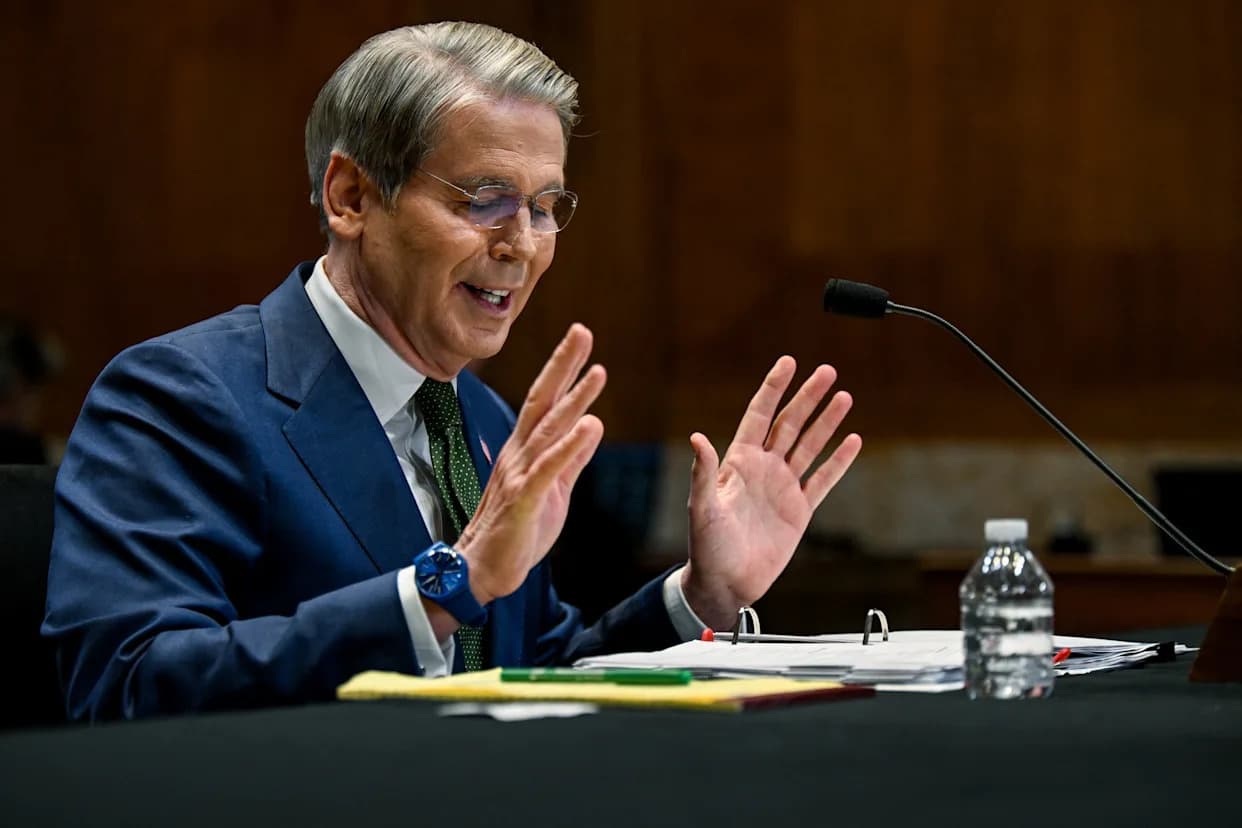
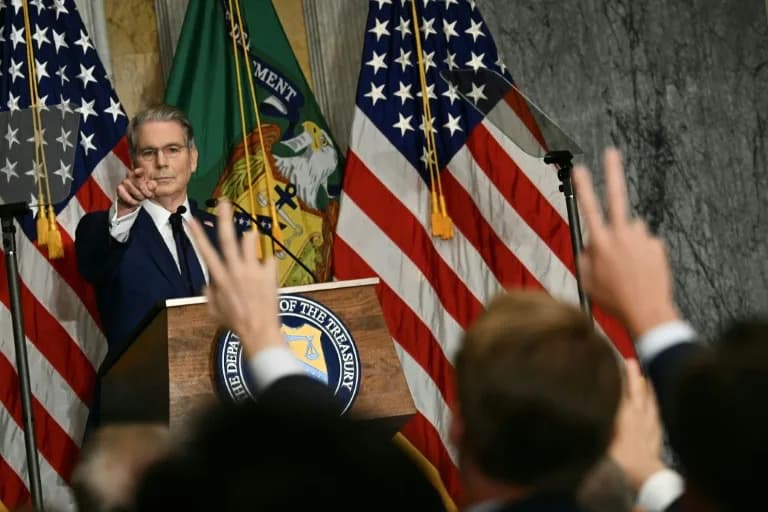
Washington and Beijing have had 'great stability' in their recent relationship, says US Treasury Secretary Scott Bessent [File:Annabelle Gordon/Reuters]
United States Treasury Secretary Scott Bessent on Monday accused China of effectively financing Iran — which he described as "the largest state sponsor of terrorism" — and urged Beijing to cooperate with Washington to reopen the Strait of Hormuz.
Bessent's comments come ahead of US President Donald Trump's scheduled trip to Beijing next week, where he is expected to meet Chinese President Xi Jinping. The secretary singled out China’s continued purchases of Iranian energy as contributing to Tehran’s leverage.
Accusation and Call for Cooperation
"Iran is the largest state sponsor of terrorism, and China has been buying 90 percent of their energy, so they are funding the largest state sponsor of terrorism," Bessent told Fox News. Despite the blunt charge, he urged China to join an international effort to restore safe passage through the Strait of Hormuz.
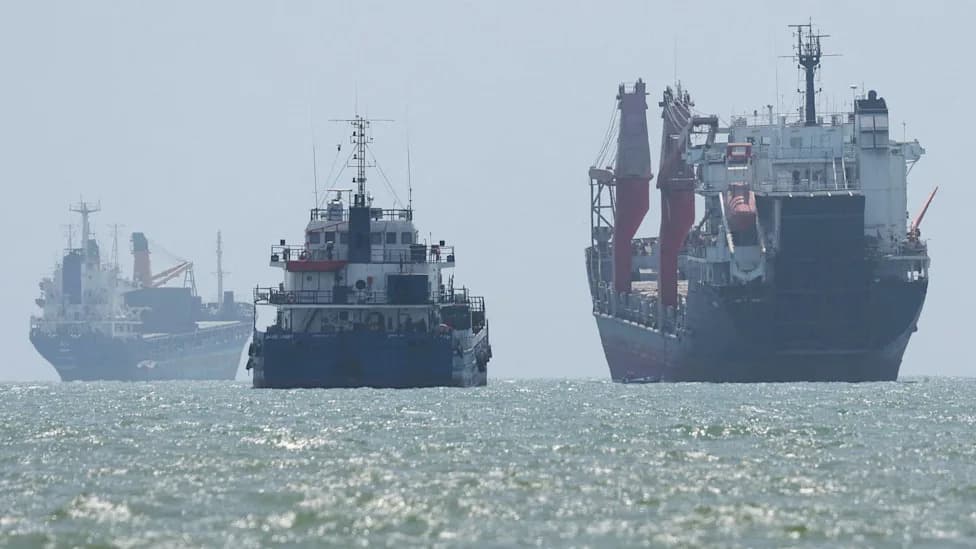
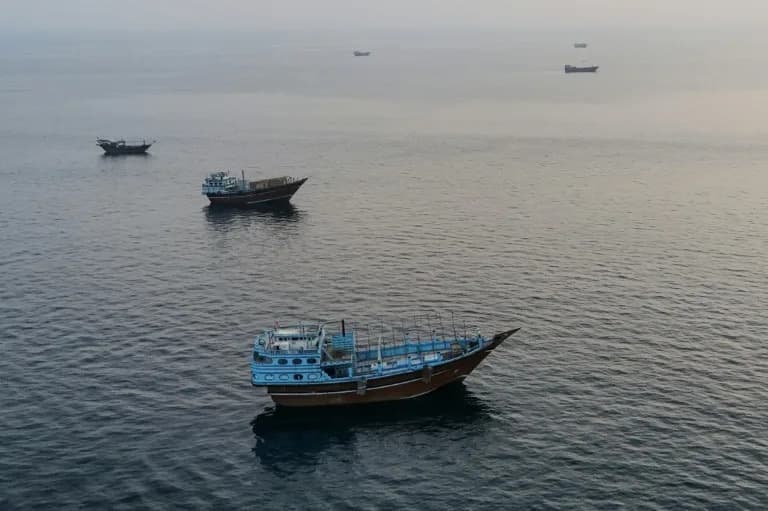
"The attacks from Iran have closed the strait. We are reopening it. So I would urge the Chinese to join us in supporting this international operation," Bessent said, referring to the US-led initiative dubbed 'Project Freedom.'
Bessent also asserted that Washington does not believe Iran controls the strait: "We have absolute control of the strait," he said, adding that Beijing could use its influence with Tehran to help defuse the standoff.
Diplomatic Context
The Treasury secretary drew attention to recent United Nations Security Council diplomacy, noting that China and Russia vetoed a draft resolution condemning Iran's blockade of the strait. Beijing and Moscow argued the text was one-sided and failed to address broader regional dynamics.
Chinese Ambassador Fu Cong said the draft "failed to capture the root causes and the full picture of the conflict in a comprehensive and balanced manner," while China’s Foreign Ministry spokesperson Lin Jian called recent US sanctions on Chinese entities "illicit unilateral sanctions" that lack basis in international law.
Sanctions, Oil Trade, and the JCPOA
Bessent's remarks also come against the backdrop of the US withdrawal from the Joint Comprehensive Plan of Action (JCPOA) in 2018 and a subsequent "maximum pressure" campaign of sanctions intended to curb Iran's energy exports. Despite the collapse of the deal, China has continued to import Iranian oil.
Last week Washington sanctioned Chinese firms tied to oil trade with Iran; Beijing rejected what it called US extraterritorial jurisdiction and said it would defend the lawful rights of Chinese companies.
Summit Ahead
With the Trump-Xi summit imminent, Bessent said the leaders will have a chance to exchange views in person. "We've had great stability in the relationship, and again, that comes from the two leaders having great respect for each other," he added.
Key developments to watch: whether China publicly backs or opposes any international operation in the Strait of Hormuz, how Beijing responds to US pressure over oil purchases, and whether the summit alters the diplomatic dynamics around Iran.
Help us improve.