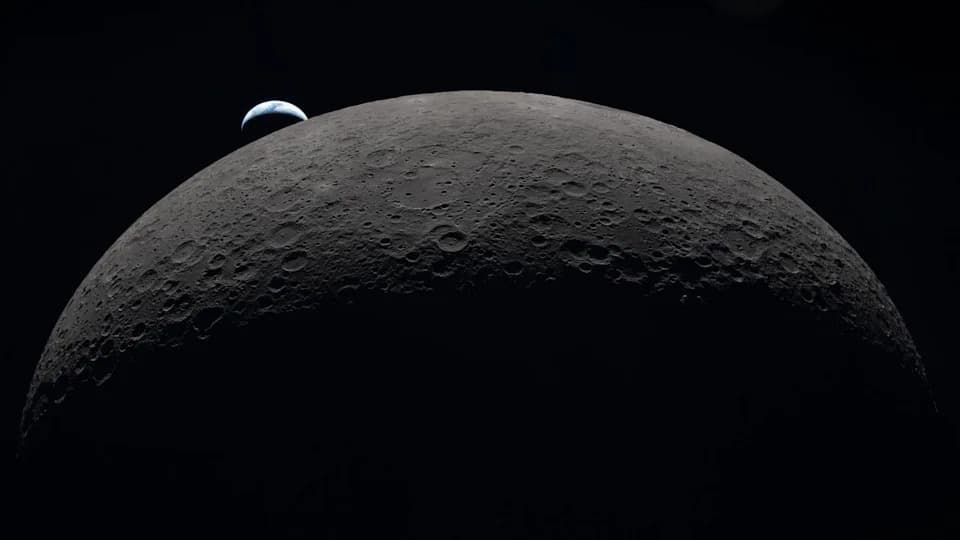
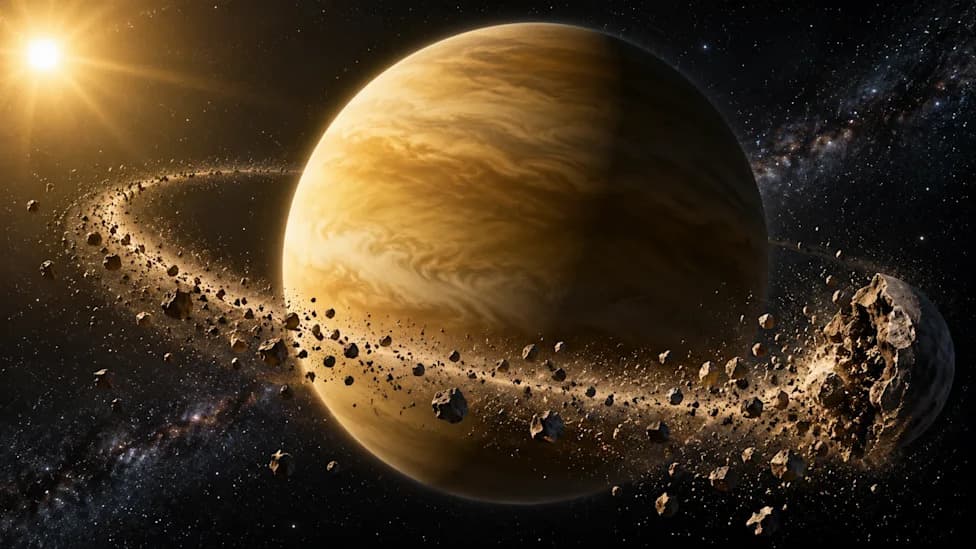
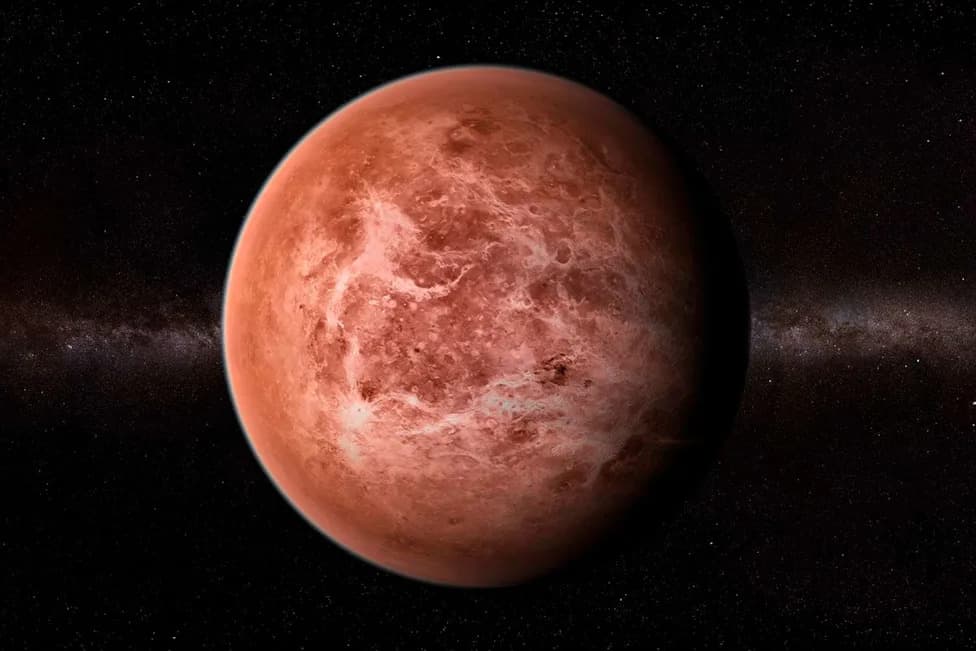
The Moon profoundly influenced Earth's development: the giant impact that formed it likely enlarged Earth's core and strengthened the magnetic field, protecting early life. A close, early Moon drove huge tides that mixed ocean chemistry and supported the origins of life. Today the Moon lengthens days and stabilizes Earth's axial tilt; without it, days would be shorter, seasons could swing wildly, and complex animal life (and human curiosity about space) might be far less likely.
What Would Earth Be Like Without the Moon? How Our Satellite Shaped Life, Climate, and Culture
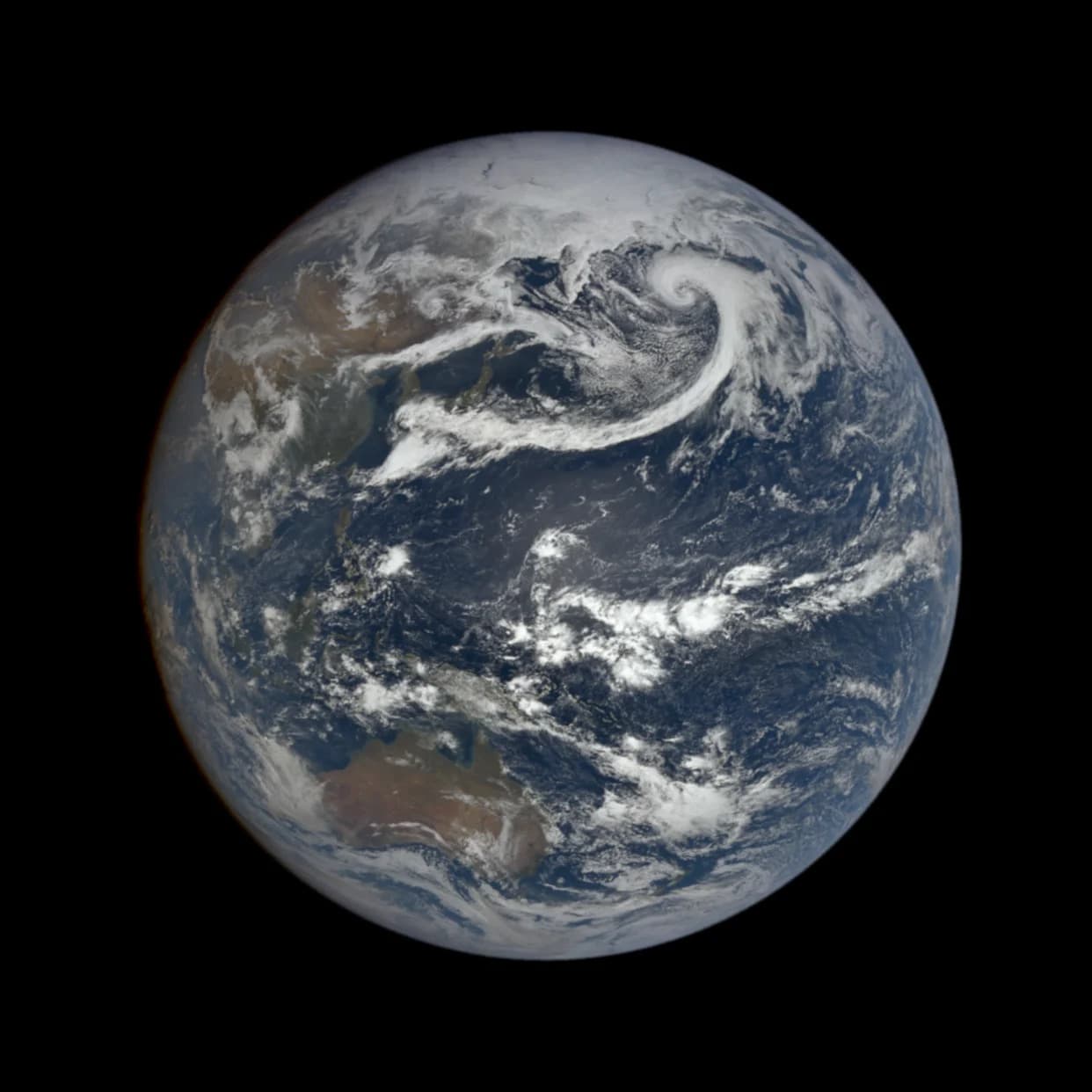
Without the Moon, Earth's geology, climate, evolution of life and even human culture would have followed a very different path. The Moon's presence — and the violent events that created it — played several key roles in making Earth the world we know.
Origin and Earth's Core
The leading explanation for the Moon's origin is the giant-impact hypothesis: a Mars-sized body, often called Theia, collided with the early Earth. That collision vaporized and scattered material from both worlds; much of the heavier iron and dense material from Theia settled into the larger, surviving Earth. That added mass likely contributed to a proportionally larger iron core and a stronger geomagnetic field, which helped shield the planet from energetic solar and cosmic radiation during the critical early stages of life's emergence. In a Moonless scenario, Earth's magnetic protection could have been weaker, changing the timing and pathways for life to develop.
Tides, Oceans, and the Origins of Life
Shortly after formation, the Moon orbited far closer to Earth — perhaps roughly ten times closer than it is today — producing enormous tides that reached far inland. Those intense tides repeatedly inundated and drained coastal environments, vigorously mixing seawater and nutrients and creating a variety of chemical microenvironments. This dynamic aqueous mixing likely aided prebiotic chemistry and the emergence of life. Without a large nearby moon to drive strong tides and global currents, early oceans would have been less well stirred and more prone to stagnation, which could have reduced the range of environments available for life to originate and diversify.
Rotation, Tilt, and Climate Stability
The Moon's gravity on Earth's tidal bulges produces friction that slowly drains rotational energy from the planet, gradually lengthening our days over geological time. Without the Moon, days on Earth would be substantially shorter. More importantly, the Moon exerts a stabilizing torque on Earth's axial tilt (obliquity). Without that stabilizing influence, Earth's axis would be more susceptible to large, chaotic swings caused by gravitational interactions with other planets. Such chaotic axial variations could change or periodically eliminate familiar seasons, producing extreme and rapid climate shifts that would make long-term ecosystems much less stable.
Impact on Life and Human Civilization
Plants generally tolerate a wider range of radiation and climatic extremes than complex animals, so a Moonless Earth might still support abundant vegetation in many regions. However, the recurrent, relatively stable seasons and gentler climate swings provided by our current axial stability have likely been important for the evolution and persistence of complex animal life. Moreover, the Moon has been a conspicuous feature of our sky for millennia: archaeological evidence shows early humans tracked lunar cycles more than 20,000 years ago. Without such a prominent nightly companion to inspire curiosity, our cultural development in astronomy and the drive to explore space could have been markedly different — humanity might have been slower to become a spacefaring species.
In short, the Moon helped shape Earth's magnetic environment, stirred oceans that aided the origins of life, moderated day length and seasons, and inspired human inquiry. A Moonless Earth would likely be a very different — and quieter — world.
Help us improve.