The resignations of Reps. Tony Gonzales and Eric Swalwell have revived scrutiny of how Congress handles staff sexual-misconduct claims. Critics say the post-2018 reforms have failed to remove barriers to reporting or provide quick, credible accountability, while some lawmakers advocate public exposure of alleged abusers. Congressional leaders are exploring bipartisan updates to enforcement and reporting procedures to strike a balance between protecting survivors and preserving due process.
Investigate or Expose? How Congress Is Grappling With Sexual Misconduct Allegations
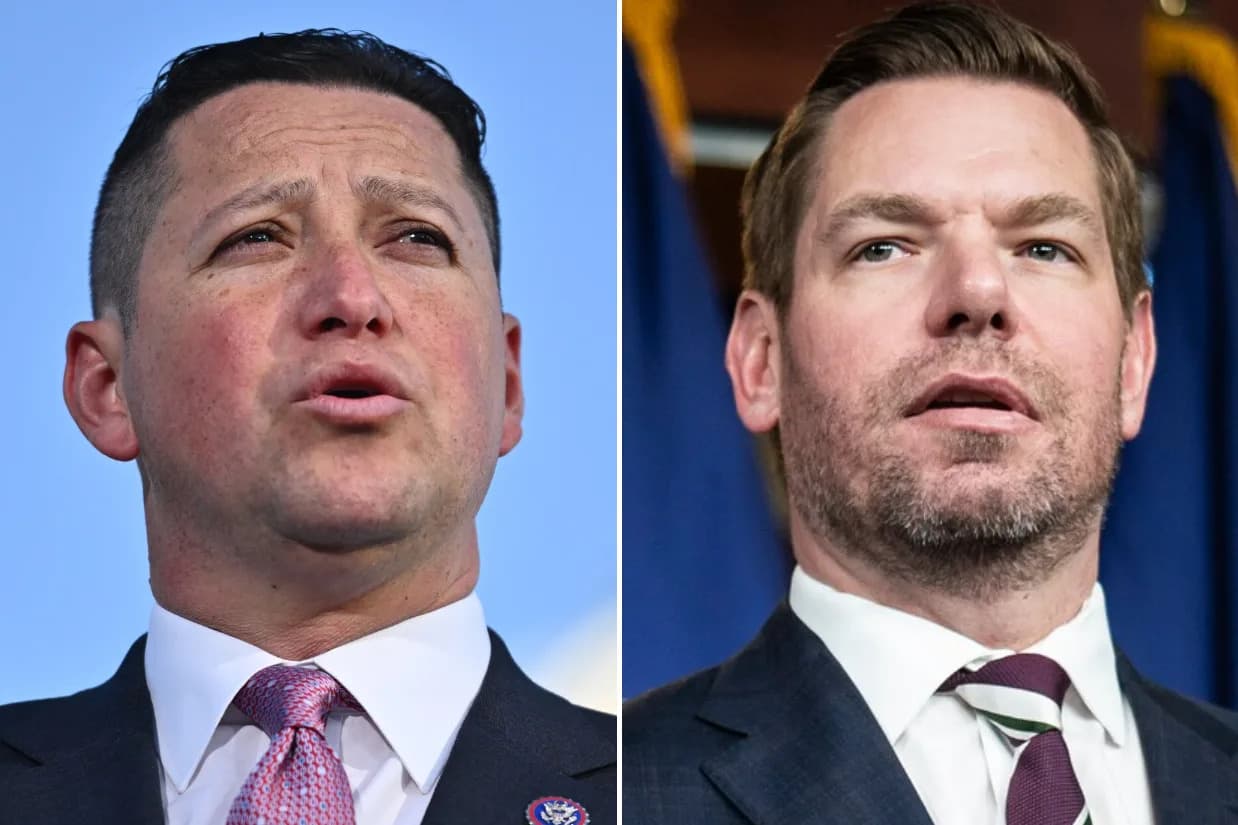
Rep. Tony Gonzales (R-Texas), left, and Rep. Eric Swalwell (D-California), right, both resigned their seats in Congress. (Photos by Ricky Carioti/The Washington Post via Getty Images and Jabin Botsford/The Washington Post via Getty Images)(The Washington Post via Getty Images)
Two recent resignations from Congress — Rep. Tony Gonzales (R-Texas) and Rep. Eric Swalwell (D-Calif.) — have renewed an urgent debate about how Capitol Hill handles sexual misconduct claims by staff. The cases have highlighted gaps in the post-2018 reforms and reignited a clash between advocates for public exposure and defenders of formal, due-process mechanisms.
What Happened
Media reporting alleged that both lawmakers engaged in inappropriate relationships or misconduct involving staff. In Swalwell’s case, four women went public with accusations that ranged from unsolicited explicit photos to rape; Swalwell denied wrongdoing but resigned and faces a criminal inquiry in New York. In Gonzales’s case, a confidential Office of Congressional Conduct report found "substantial reason to believe" House rules were violated; Gonzales later acknowledged a sexual relationship with a staffer, withdrew his reelection bid and resigned while an Ethics investigation was pending.
Why The Ethics System Is Under Scrutiny
Capitol Hill lacks a centralized human-resources structure; members run offices with wide autonomy, and many legislative staffers do not enjoy the same whistleblower protections as executive-branch employees. The House Ethics Committee and related processes can take months to reach conclusions, which many staffers and lawmakers say discourages reporting.
"What we know is that the process is not working, because women staffers are not coming forward with the allegations," Rep. Teresa Leger Fernández (D-N.M.) said in a recent interview.
Reforms and Their Limits
The 2018 overhaul of congressional harassment procedures removed mandatory mediation, created the Office of Employee Advocacy to provide legal support for complainants, and required members to pay harassment settlements out of pocket rather than using taxpayer funds. Still, survivors report fear of retaliation, career damage and prolonged, burdensome processes. Several members publicly accused of misconduct have resigned before full Ethics reports could be issued.
Expose Versus Investigate: A Political and Policy Split
Some lawmakers, led by figures such as Rep. Lauren Boebert (R-Colo.), urge a more public approach: offering staffers alternative pathways to raise allegations and using media exposure to force accountability. Others caution that bypassing formal procedures risks turning social-media accusations into de facto punishments without adequate fact-finding.
"We cannot let allegations and rumors and Twitter posts lead to expulsions," Leger Fernández warned, encapsulating concerns about protecting due process while improving accountability.
Where Lawmakers Want To Go From Here
House leaders and committee chairs have signaled interest in refining enforcement and improving reporting. Rep. Bryan Steil (R-Wis.), chair of the House Administration Committee, and Rep. Teresa Leger Fernández have been identified as potential bipartisan partners to pursue legislation that tightens compliance with the Congressional Accountability Act and closes remaining gaps. Speaker Mike Johnson has also cited enforcement and recruitment standards as priorities.
Conclusion
The debate centers on balancing survivors’ need for timely, safe avenues to seek justice with constitutional and reputational protections for the accused. Lawmakers face pressure to design a system that both encourages reporting and delivers credible, timely outcomes without substituting the court of public opinion for verified investigative processes.
Notable Quote: "Maybe we need to put padlocks on their zippers when they first get to Congress," said former Rep. Jackie Speier, stressing that bold fixes are needed to restore trust on the Hill.
Help us improve.